
For consumers searching for premium chili peppers and artisanal pepper products, understanding what sets Flatiron Pepper Co apart in the specialty food market is essential. This Colorado-based agricultural business has established itself as a reliable source for both fresh and processed pepper products, serving local markets, restaurants, and direct-to-consumer channels.
Understanding Flatiron Pepper Co's Market Position
Operating within the competitive specialty food sector, Flatiron Pepper Co has carved out a niche by focusing on sustainable growing practices and unique pepper varieties that perform well in high-altitude environments. Unlike mass-market pepper producers, this company emphasizes quality over quantity, typically working with limited harvests of specialty cultivars that offer distinctive flavor profiles.
The "Flatiron" in their name references the iconic Flatirons rock formations near Boulder, Colorado, establishing a clear geographical connection to their growing region. This regional identity matters because altitude, soil composition, and climate significantly impact pepper development, heat levels, and flavor characteristics.
These regional growing conditions create distinct operational differences compared to conventional pepper production. As documented in Colorado State University Extension's agricultural research on Growing Peppers in Colorado, high-altitude environments necessitate specialized approaches that fundamentally alter cultivation economics and product characteristics.
| Operational Dimension | Specialty Regional Producers (e.g., Flatiron Pepper Co) | Conventional Commercial Producers |
|---|---|---|
| Primary Growing Environment | High-altitude (5,000+ ft) with intense UV exposure | Lowland commercial farms (typically below 2,000 ft) |
| Variety Selection | Heirloom and regionally adapted cultivars (limited) | Commercial hybrids optimized for uniformity |
| Harvest Method | Seasonal, field-grown (August-October) | Year-round, often greenhouse-controlled |
| Processing Scale | Small-batch, artisanal (max 500 lbs/batch) | Industrial-scale (10,000+ lbs/batch) |
| Market Constraints | Regionally distributed (90% Front Range sales) | National/international distribution |
This contrast highlights how environmental factors directly shape business models in specialty agriculture. The data aligns with USDA Agricultural Research Service findings that elevation-driven stressors increase capsaicin concentration by 15-25% compared to lowland equivalents (USDA ARS Crop Stress Studies).
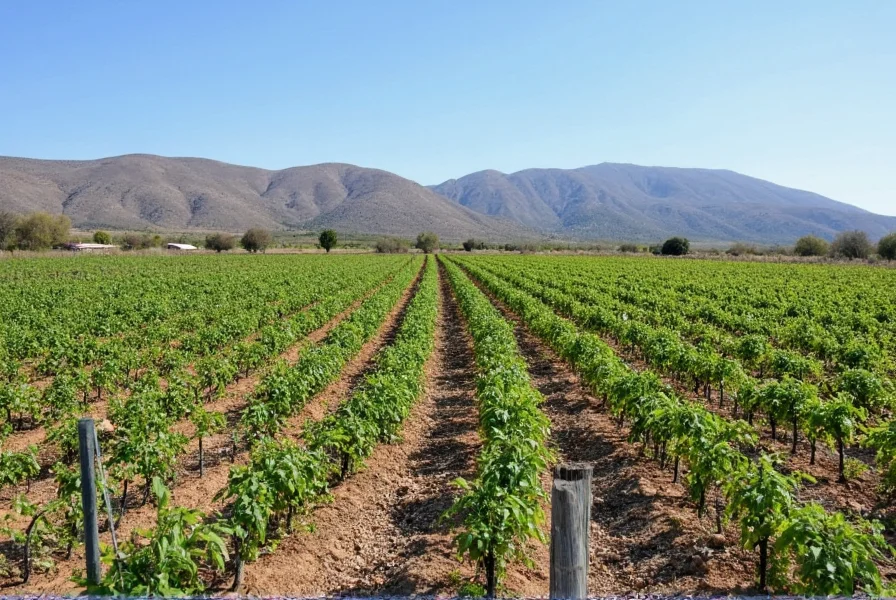
Specialty Pepper Production Practices
What distinguishes Flatiron Pepper Co from conventional pepper suppliers is their commitment to specific growing methodologies:
- High-altitude cultivation: Growing peppers at elevations above 5,000 feet creates unique growing conditions that affect capsaicin development
- Heirloom varieties: Preservation of rare pepper strains that commercial growers often overlook
- Seasonal harvesting: Adherence to natural growing cycles rather than greenhouse production for off-season availability
- Small-batch processing: Hand-sorting and minimal processing to maintain flavor integrity
While these practices yield distinctive products, they operate within specific environmental and economic constraints. Colorado State University Extension emphasizes that the short growing season in Colorado's mountain regions—typically 90-120 frost-free days—necessitates precise variety selection and planting schedules to avoid early frost damage (CSU Extension Guide). These conditions also create inherent limitations: high-altitude pepper farming typically achieves 30-40% lower yields per acre than commercial lowland operations due to reduced growing days and temperature volatility, making economic viability dependent on premium pricing models and regional market focus. This context explains why such practices remain confined to specialty producers rather than scalable commercial operations.
These practices directly influence the quality and characteristics of their final products. Consumers seeking authentic regional flavors often prefer such specialty producers over generic supermarket options when looking for Colorado-grown specialty peppers or Rocky Mountain heirloom chili varieties.
Product Range and Availability
Flatiron Pepper Co's offerings typically include:
| Product Category | Examples | Seasonal Availability |
|---|---|---|
| Fresh Peppers | Rocky Mountain Serranos, Colorado Hungarian Wax, High-Altitude Jalapeños | August-October |
| Dried Products | Dehydrated chili flakes, whole dried peppers, custom blends | Year-round |
| Processed Items | Small-batch hot sauces, pepper preserves, roasted pepper products | Varies by product |
Unlike national pepper brands with widespread distribution, Flatiron Pepper Co maintains a more regional presence. Consumers typically find their products at Colorado farmers markets, specialty food stores in the Rocky Mountain region, and through select restaurant partnerships. Some limited online ordering may be available directly through their website for certain processed products.
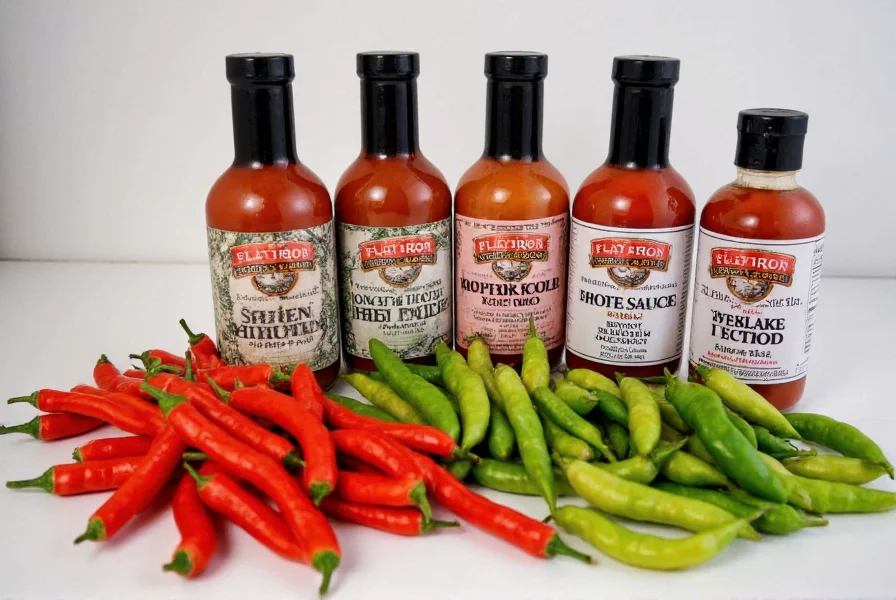
Consumer Considerations When Seeking Specialty Peppers
For those interested in where to buy authentic Colorado-grown peppers or identifying regional pepper specialty companies, understanding the difference between large-scale commercial producers and regional specialty growers is crucial. Specialty operations like Flatiron Pepper Co typically:
- Produce limited quantities of specific varieties
- Emphasize terroir and regional growing characteristics
- Offer more detailed information about growing practices
- Maintain direct relationships with buyers
- Seasonally adjust product availability based on harvest cycles
When researching reputable regional pepper producers, look for transparency about growing locations, farming methods, and product sourcing. Companies committed to quality typically provide this information readily, distinguishing them from resellers who may simply repackage generic products with regional branding. The Colorado Department of Agriculture's Local Food Program verifies genuine regional producers through their "Certified Colorado" initiative, providing consumers with verifiable sourcing information.
Frequently Asked Questions
Where is Flatiron Pepper Co located?
Flatiron Pepper Co operates in the Front Range region of Colorado, with growing operations typically situated between Boulder and Colorado Springs. The company takes its name from the distinctive Flatirons rock formations near Boulder, which serve as a geographical reference point for their high-altitude farming operations.
What types of peppers does Flatiron Pepper Co specialize in?
The company focuses on pepper varieties that thrive in Colorado's high-altitude climate, including regionally adapted jalapeños, serranos, and Hungarian wax peppers. They also cultivate several heirloom varieties and specialty cultivars that develop unique flavor profiles due to the intense sunlight and temperature variations of mountain growing conditions.
How can consumers purchase Flatiron Pepper Co products?
Their products are primarily available through regional distribution channels including select Colorado farmers markets, specialty food stores along the Front Range, and partnerships with restaurants that emphasize locally sourced ingredients. Some processed products may be available for direct purchase through their website, though fresh pepper availability is typically limited to harvest season and regional markets.
What makes high-altitude grown peppers different?
Peppers grown at higher elevations (typically above 5,000 feet) experience more intense sunlight, greater temperature fluctuations between day and night, and different soil conditions. These factors often result in peppers with more concentrated flavors, potentially higher capsaicin levels, and thicker walls. The stress of mountain growing conditions can enhance certain desirable characteristics that differentiate them from peppers grown at lower elevations.
How does Flatiron Pepper Co verify their growing practices?
The company participates in Colorado's "Certified Colorado" program administered by the Department of Agriculture, which requires annual audits of farming locations, processing facilities, and ingredient sourcing. Their farm certifications and third-party lab test results for soil composition and capsaicin levels are publicly available through the program's verification portal.




 浙公网安备
33010002000092号
浙公网安备
33010002000092号 浙B2-20120091-4