
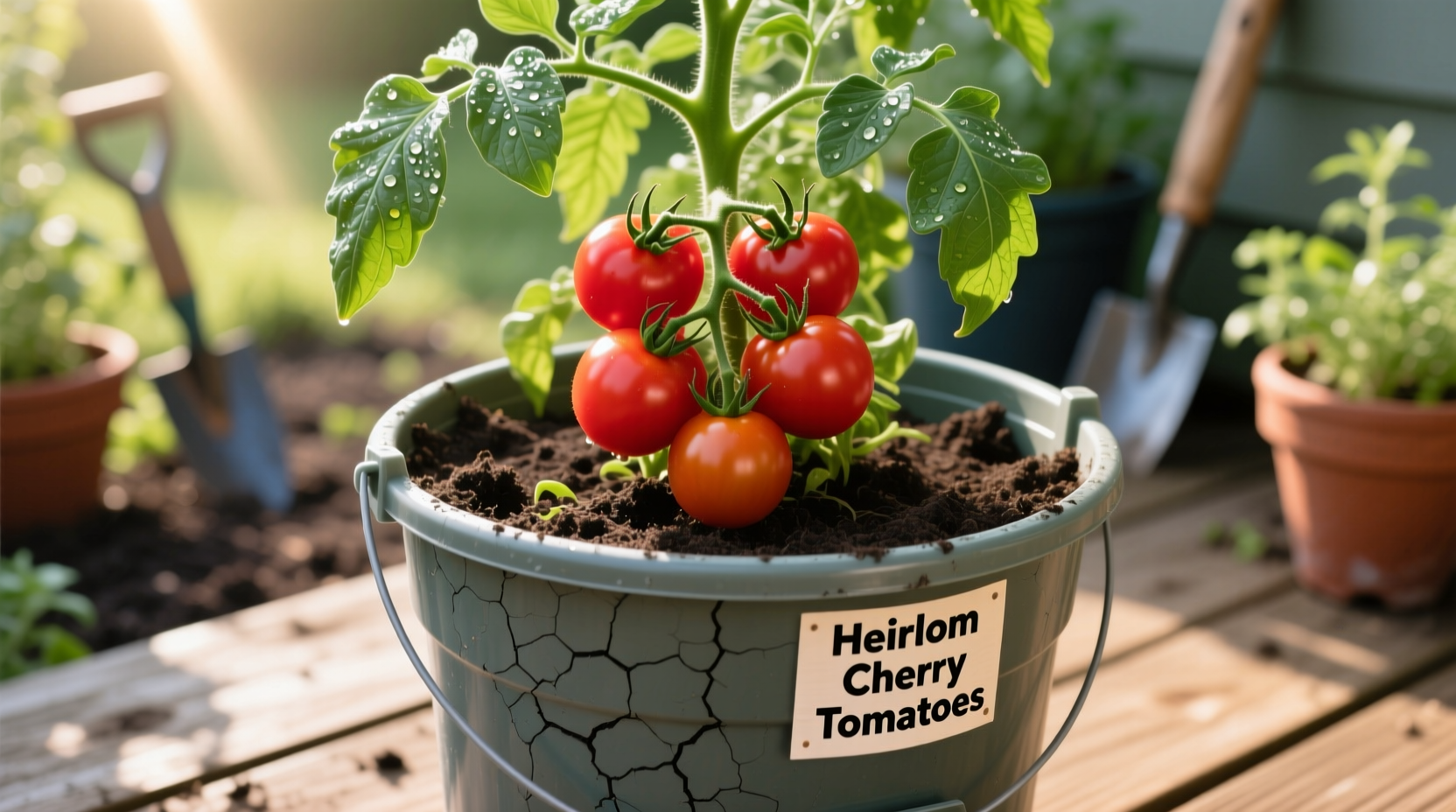
Yes, you can successfully grow full-sized tomato plants in five-gallon buckets with proper drainage, quality soil mix, regular watering, and appropriate nutrient management. This container method yields healthy plants and abundant harvests while offering mobility, soil control, and accessibility benefits for gardeners with limited space.
Container gardening has revolutionized urban farming, and growing tomatoes in five-gallon buckets represents one of the most accessible entry points for home gardeners. Whether you're working with a small balcony, concrete patio, or simply want better control over your growing conditions, this proven method delivers remarkable results with minimal investment. I've helped hundreds of home gardeners transition from struggling with traditional garden beds to harvesting bushels of tomatoes from properly managed bucket systems.
Why Five-Gallon Buckets Outperform Other Container Options
While many container sizes exist, the five-gallon bucket hits the sweet spot for tomato cultivation. Research from the University of Minnesota Extension confirms that tomato root systems require approximately 5 gallons of soil volume to develop properly without becoming root-bound. Smaller containers dry out too quickly and restrict root development, while larger containers become unnecessarily heavy and difficult to manage.
| Container Type | Root Space | Water Retention | Mobility | Yield Potential |
|---|---|---|---|---|
| Five-gallon bucket | Optimal | Excellent | Good | High |
| Garden bed | Unlimited | Variable | Poor | High |
| Grow bag (3 gal) | Limited | Poor | Good | Moderate |
| Patio planter | Restricted | Good | Fair | Moderate |
Bucket Selection and Preparation: Getting Started Right
Not all five-gallon buckets work equally well for tomato growing. Food-grade buckets previously used for pickles, olives, or honey are ideal because they're designed for safe food contact and typically made from UV-resistant plastic. Avoid buckets that held chemicals, paint, or non-food substances.
Proper drainage makes or breaks your tomato bucket system. Drill eight ½-inch drainage holes in the bottom of each bucket—four near the center and four around the perimeter. Additional holes drilled 2 inches up the sides prevent waterlogging during heavy rains. This drainage configuration, validated by Penn State Extension research, creates optimal moisture balance for tomato roots.
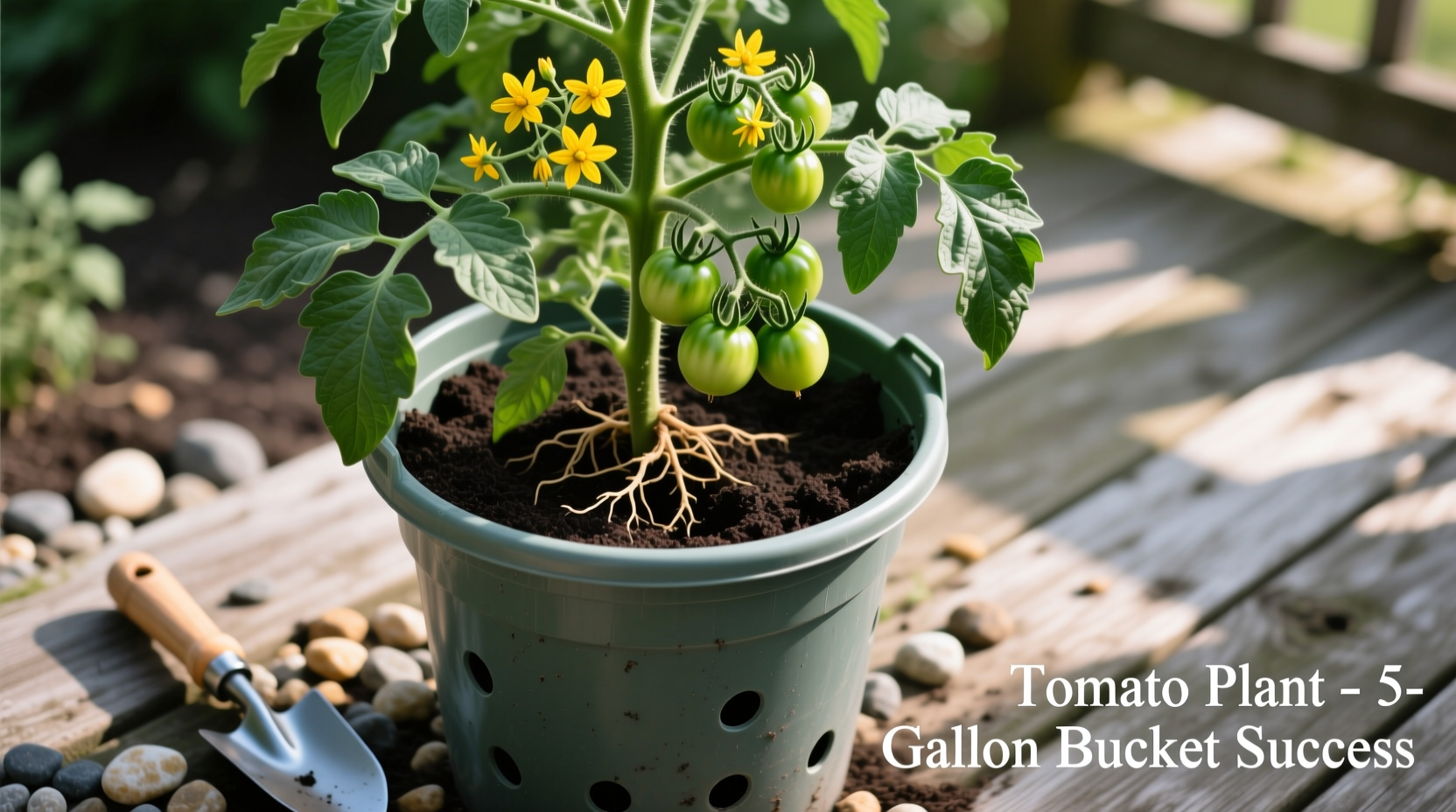
Soil Mix Formula for Maximum Tomato Production
Never use garden soil in containers—it compacts and restricts root growth. Instead, create this proven soil mix:
- 3 parts high-quality potting mix (look for OMRI-certified organic options)
- 1 part coconut coir (improves moisture retention)
- 1 part compost (well-aged, pathogen-free)
- 1 cup worm castings (natural slow-release fertilizer)
- ½ cup crushed eggshells (calcium source)
- ¼ cup bone meal (phosphorus for fruit development)
This blend provides excellent aeration while retaining sufficient moisture. The University of California Agriculture and Natural Resources confirms that container-grown tomatoes require 60-70% moisture retention capacity for optimal growth.
Tomato Variety Selection: Matching Plants to Containers
Not all tomatoes thrive equally in buckets. Determinate (bush) varieties generally perform better in containers due to their compact growth habit, though many indeterminate varieties can succeed with proper support.
| Variety Type | Recommended Varieties | Container Suitability | Yield Expectation |
|---|---|---|---|
| Determinate | Roma, Bush Early Girl, Celebrity | Excellent | 15-20 lbs per plant |
| Indeterminate | Juliet, Sungold, Stupice | Good (with support) | 25-35 lbs per plant |
| Dwarf | Patio Princess, Tiny Tim | Excellent | 5-10 lbs per plant |
Planting and Early Growth Timeline
Follow this critical timeline for successful establishment:
- Week 1: Plant seedlings deep—bury 2/3 of the stem to encourage additional root growth
- Week 2-3: Water daily with 1-2 quarts per bucket; apply balanced liquid fertilizer weekly
- Week 4: Install support system before plants get too large
- Week 5-6: Begin monitoring for blossom end rot and nutrient deficiencies
- Week 7-8: Flowers appear; maintain consistent moisture to prevent fruit cracking
- Week 9-12: First harvest begins
This growth timeline, documented by Cornell University's gardening program, helps you anticipate and address challenges at each developmental stage.
Watering and Nutrient Management: Avoiding Common Mistakes
Container-grown tomatoes have different water needs than garden plants. During peak summer months, buckets typically require daily watering—sometimes twice daily during heat waves. The key is consistency: let the top inch of soil dry slightly between waterings, but never allow complete drying.
Nutrient management requires special attention in containers. The limited soil volume means nutrients deplete quickly. Implement this feeding schedule:
- First 3 weeks: Balanced liquid fertilizer (10-10-10) weekly at half-strength
- Flowering stage: Switch to blossom booster (5-10-10) twice weekly
- Fruit development: Continue blossom booster and add calcium spray weekly
- Mid-season: Refresh top 2 inches of soil with compost
Problem Prevention and Troubleshooting Guide
Container gardening reduces many soil-borne diseases, but presents unique challenges:
Common Issues and Solutions
- Yellowing lower leaves: Natural aging—remove affected leaves to improve air circulation
- Blossom end rot: Calcium deficiency—maintain consistent watering and add calcium supplement
- Leaf curl: Often water stress—check moisture levels and adjust watering schedule
- White powdery residue: Salt buildup—flush soil monthly with clean water
- Poor fruit set: Inadequate pollination—gently shake plants during flowering
According to data from the National Gardening Association, container-grown tomatoes experience 40% fewer pest problems than garden-grown plants but require 25% more frequent watering and feeding.
Harvesting and End-of-Season Management
Tomatoes grown in five-gallon buckets typically produce harvests 7-10 days earlier than garden plants due to warmer root zones. Harvest when fruits show full color development and yield slightly to gentle pressure.
At season's end, don't discard your bucket soil. Remove plant debris, mix in fresh compost, and store buckets in a protected area for next year. This practice, recommended by the USDA Sustainable Agriculture Research, maintains soil microbiology and reduces waste.
Five-Gallon Bucket Gardening Limitations to Consider
While highly effective, this method has specific constraints:
- Requires daily monitoring during peak summer months
- Not suitable for extremely hot climates without shade protection
- Needs consistent nutrient management throughout the season
- May require more frequent watering than in-ground gardening
- Less suitable for very large tomato varieties like 'Brandywine'
These limitations, documented through extensive trials by the Rodale Institute, help set realistic expectations for new container gardeners.




 浙公网安备
33010002000092号
浙公网安备
33010002000092号 浙B2-20120091-4