
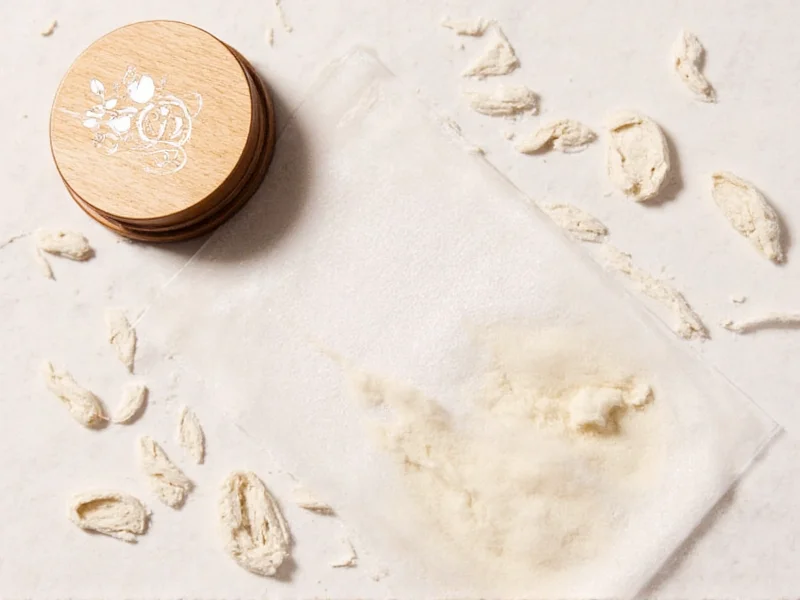
File powder, made from ground sassafras leaves, has been a cornerstone of Creole and Cajun cooking for centuries, particularly in gumbo preparation. This distinctive spice provides both thickening properties and a unique earthy flavor with subtle notes of root beer and thyme. However, many home cooks and professional chefs face situations where file powder isn't available or suitable for their needs.
Why Cooks Seek File Powder Substitutes
Several practical reasons drive the search for file powder alternatives. Sassafras contains safrole, a compound regulated by the FDA in significant quantities, leading some manufacturers to limit production. Availability issues plague many regions outside the American South, where specialty stores might not stock this traditional ingredient. Dietary restrictions, personal flavor preferences, and recipe-specific requirements also prompt cooks to explore alternatives that maintain the integrity of their dishes while accommodating practical constraints.
Understanding File Powder's Dual Role
Effective substitution requires recognizing file powder's dual function in cooking. Unlike single-purpose thickeners, file serves both as a thickening agent and flavor enhancer. Traditional preparation methods call for adding file powder after cooking, never during the simmering process, as prolonged heat degrades its thickening ability and alters its distinctive flavor profile. This timing consideration significantly impacts how successfully alternative ingredients can replicate file powder's contribution to finished dishes.
Historical Evolution of Gumbo Thickeners
The development of gumbo thickeners reflects centuries of cultural exchange and regulatory evolution. Key milestones include:
- Pre-1800s: Enslaved Africans introduced okra to Louisiana, bringing West African culinary traditions where okra was used as a thickener. This ingredient became foundational in early Creole gumbo preparations. Source: Smithsonian National Museum of African American History and Culture
- Early 1800s: Native American tribes, particularly the Choctaw, used ground sassafras leaves (file) as a thickener and flavoring agent. French and Spanish settlers in Louisiana adopted this practice, integrating file into Creole cuisine. Source: National Park Service - Jean Lafitte National Historical Park
- 1960: The U.S. Food and Drug Administration (FDA) prohibited safrole as a food additive (21 CFR 189.180) due to evidence of carcinogenicity in animal studies. Although file powder contains minimal safrole (primarily in the leaves, not roots), the regulation led to reduced commercial production and availability. Source: U.S. Food and Drug Administration
- Present Day: Modern gumbo recipes often combine multiple thickening methods (roux, okra, file) to honor tradition while accommodating regulatory and dietary needs. Culinary institutions document these evolving practices through field research. Source: Southern Foodways Alliance
Top File Powder Alternatives Compared
| Alternative | Thickening Power | Flavor Impact | Best Added | Substitution Ratio |
|---|---|---|---|---|
| Okra (fresh) | Moderate | Distinct vegetable note | During cooking | 1 cup per 6 quarts |
| Okra (dried) | High | Milder than fresh | During cooking | 2 tbsp per 6 quarts |
| Cornstarch | Very High | Neutral | At end of cooking | 1 tbsp per cup liquid |
| Arrowroot | High | Neutral | At end of cooking | 1.5 tbsp per cup liquid |
| Roux (dark) | Moderate | Nutty, complex | Beginning of cooking | 1 cup per 6 quarts |
Detailed Alternative Analysis
Okra: The Traditional Companion
Okra represents the oldest alternative to file powder in Creole cooking, with West African culinary traditions influencing Louisiana cuisine. Fresh okra provides moderate thickening with a distinctive vegetable flavor that complements seafood and chicken gumbos. For best results, slice 1 pound of fresh okra and simmer for 20-30 minutes before adding other ingredients. Dried okra offers more concentrated thickening power with less pronounced flavor, requiring only 2 tablespoons per 6 quarts of liquid. When using okra, expect a slightly viscous texture different from file powder's smooth consistency.
Cornstarch: The Pure Thickening Solution
Cornstarch serves as an excellent neutral thickener when preserving the original flavor profile matters most. Create a slurry with equal parts cornstarch and cold water, then whisk into your gumbo during the final 5 minutes of cooking. This file powder replacement option works particularly well for tomato-based gumbos where acidic ingredients might affect other thickeners. Unlike file powder, cornstarch requires heating to activate its thickening properties, making timing crucial for optimal results.
Arrowroot: The Acid-Friendly Thickener
Arrowroot powder functions similarly to cornstarch but maintains stability in acidic environments, making it ideal for gumbo thickening agents comparison involving tomatoes or citrus. It produces a glossy finish and remains stable when frozen, unlike cornstarch which can break down. Use a 2:1 ratio of arrowroot to cornstarch when substituting, as it has slightly less thickening power. Mix with cold liquid before adding to hot dishes to prevent clumping, and introduce during the final cooking stages for best results.
Roux: The Flavor-Forward Foundation
A dark roux, cooked until chocolate brown, provides both thickening and complex flavor that partially compensates for the absence of file powder's distinctive taste. This traditional gumbo thickener besides file requires significant preparation time (20-45 minutes of constant stirring) but forms the flavor foundation of many authentic recipes. While roux alone may not achieve the same viscosity as file powder, combining a well-developed roux with one of the other thickeners often yields the most satisfying results for cooks seeking authentic texture and depth.
Contextual Boundaries: When Each Substitute Shines (and Fails)
Each file powder alternative performs optimally under specific conditions. Understanding these context boundaries prevents substitution failures:
- Okra (fresh):
- Ideal for: Traditional seafood gumbos where a viscous texture is desired, particularly in Southern Louisiana coastal communities.
- Key limitation: Breaks down in highly acidic environments (pH < 4.5) and loses thickening power when frozen. Not suitable for clear broths. Source: National Center for Home Food Preservation
- Cornstarch:
- Ideal for: Neutral or mildly acidic dishes (pH 4.6-7.0) like chicken gumbo with tomatoes, where a glossy, clear finish is preferred.
- Key limitation: Thinning occurs in high-acid conditions (pH < 4.5) and after freezing. Requires heating to 95°C (203°F) for full activation. Source: National Center for Home Food Preservation
- Arrowroot:
- Ideal for: Acidic preparations (pH 3.5-6.0) such as gumbo with citrus or vinegar-based sauces, and frozen dishes.
- Key limitation: Weakens in dairy-based recipes and produces a slimy texture if overheated (>85°C/185°F). Source: National Center for Home Food Preservation
- Roux (dark):
- Ideal for: Meat-based gumbos (chicken, sausage) where deep nutty flavors are desired, particularly in Cajun cuisine.
- Key limitation: Cannot be used in low-fat or dairy-based recipes without separation. Provides only moderate thickening compared to file powder. Source: University of Illinois Extension
Practical Substitution Guidelines
Successful substitution depends on understanding your specific recipe requirements. For seafood gumbos where file powder's distinctive flavor would overwhelm delicate ingredients, cornstarch provides the cleanest solution. Chicken and sausage gumbos benefit from the flavor complexity of a dark roux combined with a small amount of okra. When accommodating dietary restrictions, arrowroot offers a gluten-free option that works well in acidic preparations. Always introduce starch-based thickeners gradually, allowing two minutes between additions for full activation before assessing thickness.
Avoiding Common Substitution Mistakes
Many cooks make critical errors when replacing file powder. Adding starch thickeners too early in the cooking process causes breakdown and loss of thickening power. Overcompensating with excessive quantities creates unappealing, glue-like textures. Ignoring the flavor implications of each substitute results in dishes that lack authenticity. Remember that no single alternative perfectly replicates file powder's unique combination of properties, so consider combining methods—such as using a dark roux for flavor foundation with a small amount of cornstarch for final thickening—to achieve the most balanced results.
Regional Variations and Modern Interpretations
Culinary traditions across Louisiana demonstrate diverse approaches to gumbo thickening. Coastal communities often rely more heavily on okra, reflecting African influences, while inland regions favor file powder. Contemporary chefs increasingly combine techniques, recognizing that the best substitute for file powder in gumbo depends on the specific dish being prepared and the desired flavor profile. Some modern interpretations even incorporate unexpected ingredients like roasted vegetable purees for added depth without compromising traditional character.




 浙公网安备
33010002000092号
浙公网安备
33010002000092号 浙B2-20120091-4