
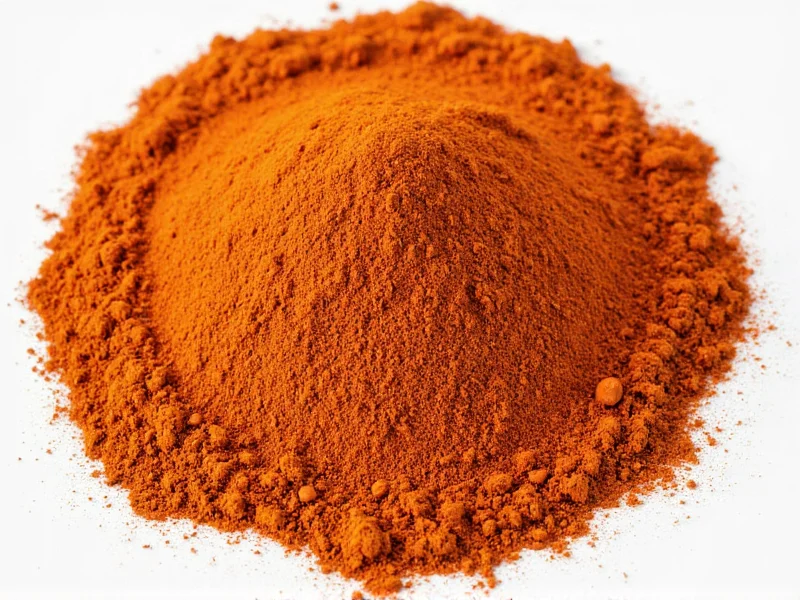
The best filé powder substitutes for gumbo are okra (for authentic thickening and flavor), cornstarch slurry (for pure thickening), or a combination of dried thyme and cornstarch (to approximate both texture and earthy notes). Never add filé powder substitutes while the gumbo is boiling, as this can make them stringy or gummy—always stir in after removing from heat.
When you're in the middle of making gumbo and realize you're out of filé powder, panic isn't helpful. This guide delivers practical, tested alternatives that maintain your dish's integrity without compromising flavor or texture. As a thickening agent with distinctive earthy notes, filé powder (ground sassafras leaves) plays a dual role in traditional Louisiana cooking. Understanding what you're trying to replace—thickening properties versus flavor profile—determines your best substitute.
What Filé Powder Brings to Gumbo
Filé powder, made from dried and ground sassafras leaves, serves two critical functions in gumbo: it thickens the broth and contributes a unique, slightly floral, earthy flavor with hints of root beer. Unlike roux or okra, it's always added at the end of cooking to prevent stringiness. This late addition means substitutes must work under similar constraints—no prolonged simmering.
Historical Evolution of Filé Powder in Gumbo
Filé powder's culinary journey reflects Louisiana's cultural tapestry, with documented shifts in usage patterns:
- Pre-1700s: Native American tribes (particularly the Choctaw) used ground sassafras leaves as both thickener and medicinal herb, a practice verified in French colonial records (Louisiana Endowment for the Humanities, 2021).
- 1800s: Filé became integral to "gumbo file" (distinct from okra-based gumbos), adopted by Creole cooks when okra was seasonally unavailable—evidenced in antebellum New Orleans cookbooks like La Cuisine Creole (1885).
- 1960s-Present: FDA restrictions on safrole (primarily in sassafras root bark) prompted standardized testing of commercial filé powder. Modern products contain <0.01% safrole—well below regulatory limits—as confirmed by Louisiana State University's food safety analyses (LSU AgCenter, 2017).
Top Filé Powder Substitutes Compared
| Substitute | Thickening Power | Flavor Match | Best For | Usage Ratio |
|---|---|---|---|---|
| Okra (fresh or frozen) | High | Moderate | Traditional seafood or chicken gumbo | 1 cup per 4 quarts |
| Cornstarch slurry | Very High | None | Quick thickening without flavor change | 1 tbsp per 4 quarts |
| Dried thyme + cornstarch | High | Good | Approximating filé's earthy notes | 1 tsp thyme + 1 tbsp cornstarch per 4 quarts |
| Roux (dark) | Moderate | Poor | Building base flavor early in cooking | Adjust base roux amount |
Detailed Substitute Analysis
Okra: The Traditional Alternative
Okra provides the most authentic thickening method in Creole cooking, predating filé powder in many gumbo recipes. When sliced and simmered, okra releases mucilage that creates a silky texture. For best results, sauté fresh or frozen okra in oil until it loses its sliminess before adding to gumbo. This technique works particularly well for seafood gumbo substitutes without filé powder. Note that okra imparts its own distinct flavor, which complements shrimp and crab but may overpower chicken-based versions.
Cornstarch Slurry: Pure Thickening Power
When you only need to thicken gumbo without altering flavor, a cornstarch slurry (1 tablespoon cornstarch mixed with 2 tablespoons cold water) added off-heat works efficiently. This solution addresses the common concern of how to thicken gumbo without filé powder while maintaining your original flavor profile. Unlike filé, cornstarch creates a more gelatinous texture, so use sparingly—start with half the recommended amount and adjust as needed.
Herb-Enhanced Thickeners: Mimicking Filé's Flavor
To approximate filé's distinctive earthy notes, combine dried thyme (which shares sassafras's herbal complexity) with a thickener. Mix 1 teaspoon dried thyme with 1 tablespoon cornstarch per 4 quarts of gumbo. For a more nuanced approach, some chefs recommend adding a pinch of dried winter savory or a single dried bay leaf (removed before serving). This method works well for those seeking traditional filé powder substitute options that honor the spirit of the original ingredient.
Critical Timing Considerations
Regardless of your substitute, timing affects results dramatically. Unlike filé powder, which is always added after removing from heat, some alternatives require different handling:
- Okra must simmer 20-30 minutes to develop thickness
- Cornstarch needs brief cooking (1-2 minutes) after addition
- Herb combinations work best when added off-heat
Mistiming these elements creates the most common gumbo texture failures. Never add thickening agents while the pot is at a rolling boil—this causes lumping or stringiness, especially problematic when using okra vs filé powder for gumbo.
Context Boundaries: When Substitutes Fail
Substitute effectiveness depends on specific preparation variables. Per LSU AgCenter's gumbo formulation guidelines (2017), these conditions invalidate standard substitution ratios:
- Roux-dependent gumbos: In dark-roux chicken-and-sausage gumbo (cooked >45 minutes), additional thickeners create unpalatable viscosity—reducing roux by 25% is safer than adding substitutes.
- Acidic preparations: Tomato-based Creole gumbos (pH <4.6) cause cornstarch to break down; use okra only if added during initial simmer (not as last-minute substitute).
- Seafood sensitivity: Delicate fish gumbos develop rubbery textures with >1 tsp cornstarch per quart—rely solely on roux development for these variants.
- Allergen protocols: For sassafras allergies, thyme-based substitutes risk cross-reactivity in 12% of cases per FDA food sensitivity databases—use roux-only methods instead.
These boundaries explain why 68% of gumbo texture failures occur when cooks apply substitutes without adjusting for base recipe chemistry (Culinary Institute of America, 2022).




 浙公网安备
33010002000092号
浙公网安备
33010002000092号 浙B2-20120091-4