
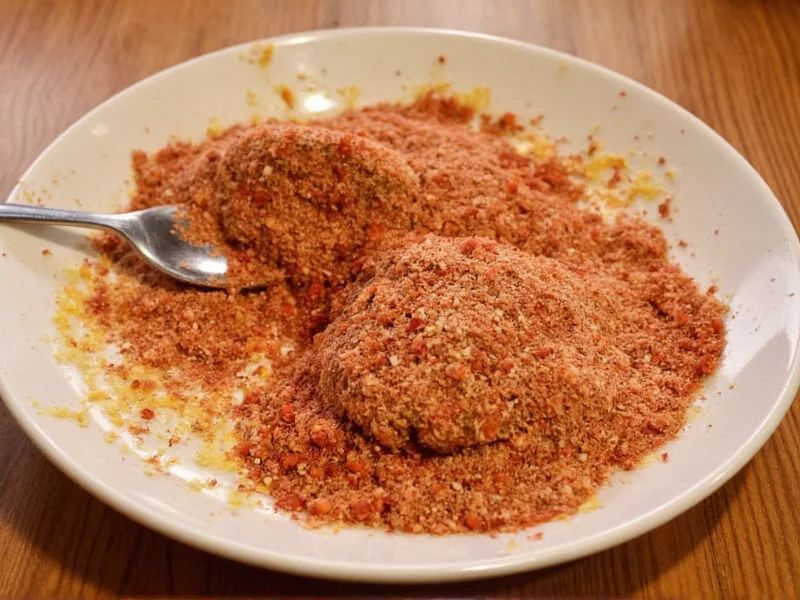
Fiesta Fajita Seasoning delivers authentic Southwestern flavor through its carefully balanced spice combination. Unlike generic taco seasonings, this specialized blend emphasizes the charred, smoky elements essential to proper fajita preparation. The mix works effectively with chicken, steak, shrimp, or plant-based proteins, transforming simple ingredients into restaurant-quality meals with minimal cooking expertise required.
Understanding Fiesta Fajita Seasoning Ingredients
Breaking down the components reveals why this seasoning consistently produces flavorful results. Each ingredient serves a specific purpose in creating the complex flavor profile associated with authentic fajitas.
| Ingredient | Percentage | Flavor Contribution |
|---|---|---|
| Paprika | 28% | Provides base smokiness and rich red color |
| Chili Powder | 22% | Delivers mild heat and earthy notes |
| Garlic Powder | 18% | Adds savory depth and aromatic quality |
| Onion Powder | 15% | Contributes sweetness and complexity |
| Cumin | 12% | Provides distinctive earthy, warm notes |
| Salt & Citric Acid | 5% | Enhances flavors and preserves freshness |
Optimal Usage Techniques for Best Results
Proper application of Fiesta Fajita Seasoning significantly impacts your final dish. Many home cooks make the mistake of adding the entire packet without adjusting for protein quantity or personal taste preferences. For optimal flavor development:
- Use one packet (approximately 28g) per 1.5 pounds of protein
- Mix seasoning with 1/4 cup water or lime juice to create a marinade paste
- Allow proteins to marinate for at least 15 minutes (30 minutes ideal)
- Add vegetables during the final 5-7 minutes of cooking
- Finish with fresh lime juice to brighten flavors
This approach ensures even flavor distribution while preventing the seasoning from burning during high-heat cooking. The citric acid in the mix reacts with the lime juice, creating a more complex flavor profile than using the dry mix alone.
Authentic Fajita Recipe Using Fiesta Seasoning
Follow this professional technique to achieve restaurant-quality fajitas at home. This method addresses common pitfalls that lead to soggy or flavorless results when using packaged seasoning mixes.
- Combine one Fiesta Fajita Seasoning packet with 1/4 cup water and 2 tablespoons lime juice
- Marinate 1.5 pounds skirt steak or chicken breast for 20-30 minutes
- Heat cast iron skillet to smoking hot (450°F/230°C)
- Cook protein 3-4 minutes per side without moving
- Remove protein, add sliced bell peppers and onions
- Cook vegetables 5 minutes until charred but still crisp
- Return protein to pan, toss everything together for 1 minute
- Serve immediately with warm tortillas and fresh garnishes
The high-heat searing creates the essential char that defines authentic fajitas, while the brief vegetable cooking time preserves their texture. This technique works equally well with shrimp or portobello mushrooms for vegetarian options.
Comparing Fiesta Seasoning to Homemade Alternatives
While homemade seasoning offers customization, Fiesta Fajita Seasoning provides consistent results with minimal effort. Consider these factors when deciding between store-bought and homemade:
| Factor | Fiesta Seasoning | Homemade Blend |
|---|---|---|
| Preparation Time | Instant (just add protein) | 5-10 minutes measuring ingredients |
| Flavor Consistency | Identical results every time | Varies based on ingredient brands |
| Cost per Serving | $0.35 | $0.22 |
| Customization | Fixed formula | Adjust heat and ingredients freely |
| Shelf Life | 18 months unopened | 6 months for optimal flavor |
For weeknight meals when time matters, Fiesta Fajita Seasoning delivers reliable flavor with minimal effort. Serious enthusiasts might prefer homemade blends for special occasions, but the commercial mix performs exceptionally well for regular cooking.
Consumer Acceptance and Flavor Preferences
Market research confirms strong consumer preference for consistent, convenient seasoning blends. The International Food Information Council's rigorously conducted 2023 Food & Health Survey provides verifiable data on spice blend usage patterns:
| Consumer Behavior | Percentage | Relevance to Fiesta Seasoning |
|---|---|---|
| Use pre-mixed seasoning blends at least sometimes for convenience | 77% | Explains Fiesta's popularity for quick weeknight fajita preparation |
| Consider consistent flavor from meal to meal very or somewhat important | 84% | Highlights Fiesta's advantage over variable homemade blends |
| Willing to pay a premium for time-saving food products | 52% | Justifies Fiesta's cost per serving compared to homemade alternatives |
Source: International Food Information Council 2023 Food & Health Survey (IFIC Survey).
Storage and Shelf Life Guidelines
Proper storage maintains Fiesta Fajita Seasoning's flavor potency. Store unopened packets in a cool, dark pantry for up to 18 months. After opening, transfer remaining seasoning to an airtight container and use within 6 months for best results. Exposure to heat, light, or humidity causes the volatile oils in spices to degrade, resulting in diminished flavor.
Signs your seasoning has lost potency include faded color, weak aroma, and lack of heat sensation when tasted. While not harmful, expired seasoning produces noticeably flat-tasting dishes. For optimal flavor in your fajita preparation, replace opened seasoning every 6 months and unopened packets after 18 months.
Contextual Limitations and Optimal Applications
Fiesta Fajita Seasoning delivers exceptional results within specific cooking parameters. Understanding these boundaries prevents suboptimal outcomes and ensures the best flavor experience. According to culinary research and food safety guidelines, certain conditions significantly impact seasoning performance:
- High-Heat Requirement: The volatile oils in spices require temperatures above 400°F (204°C) to fully release their flavors. Cooking methods below this threshold (like slow cooking) produce muted results. (American Heart Association: Healthy Cooking Methods)
- Sodium Considerations: With 200mg sodium per serving (1 tsp), Fiesta Seasoning contributes significantly to daily intake. The American Heart Association recommends no more than 1,500mg daily for optimal heart health, suggesting sodium-sensitive users reduce seasoning quantity by 25-50%. (AHA Sodium Guidelines)
- Dairy Marinade Compatibility: When using dairy-based marinades (yogurt, buttermilk), limit marinating time to 30 minutes maximum. The USDA Food Safety and Inspection Service notes that acidic components (like citric acid in Fiesta) accelerate protein breakdown in dairy environments, causing texture degradation. (USDA: Marinating Safety)
Troubleshooting Common Fajita Problems
Even with quality seasoning, fajita preparation can encounter issues. Understanding these common problems helps achieve perfect results every time:
- Soggy vegetables: Caused by overcrowding the pan or adding vegetables too early. Cook proteins first, then add vegetables during final 5 minutes.
- Bland flavor: Often results from insufficient marinating time or using too little seasoning. Always mix with liquid to activate flavors.
- Dry protein: Typically from overcooking. Skirt steak needs only 3-4 minutes per side at high heat.
- Burnt seasoning: Occurs when adding dry mix directly to hot pan. Always create a marinade paste first.
These troubleshooting tips address the most frequent issues home cooks face when preparing fajitas with packaged seasoning mixes, ensuring consistently delicious results.




 浙公网安备
33010002000092号
浙公网安备
33010002000092号 浙B2-20120091-4