
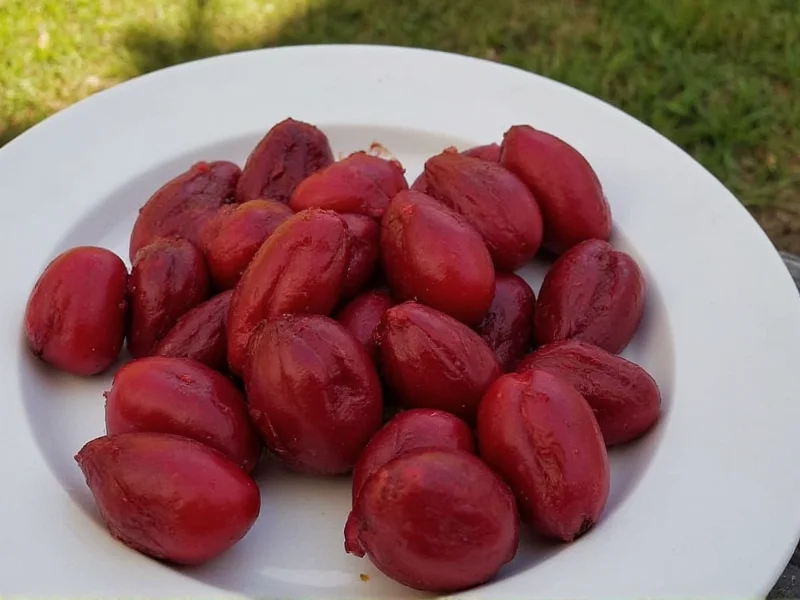
The Science Behind Lacto-Fermentation
Fermented beet pickles represent one of the oldest food preservation methods, harnessing natural lactic acid bacteria (LAB) already present on beet skins. When submerged in a saltwater brine (typically 2-3% salinity), these beneficial microbes outcompete harmful bacteria while converting natural sugars into lactic acid. This process creates the characteristic tangy flavor while preserving texture and nutrients. Unlike vinegar-based pickling which relies on acetic acid for immediate preservation, lacto-fermentation develops flavor complexity gradually as microbial activity continues during storage.
Why Fermentation Outperforms Vinegar Pickling for Beets
Beets contain high sugar content (8-10%) ideal for sustained fermentation. The natural sugars feed lactic acid bacteria, creating multiple flavor compounds beyond simple sourness. Scientific analysis shows fermented beets retain 20-30% more betalains (antioxidant pigments) compared to vinegar-pickled counterparts. The living probiotic cultures in properly fermented beets (107-109 CFU/g) support gut health—a benefit completely absent in heat-processed vinegar pickles.
| Characteristic | Fermented Beet Pickles | Vinegar-Pickled Beets |
|---|---|---|
| Preservation Method | Lactic acid fermentation | Acetic acid immersion |
| Probiotic Content | High (living cultures) | None (pasteurized) |
| Nutrient Retention | 85-90% of original nutrients | 60-70% of original nutrients |
| Shelf Life (refrigerated) | 6-12 months | 12-18 months |
| Flavor Development | Continues evolving | Fixed after processing |
Optimal Homemade Fermented Beet Pickle Recipe
Creating successful fermented beet pickles requires precise salt concentration and proper submersion. Use organic beets for best results, as conventional varieties may have surface residues inhibiting fermentation. The ideal brine ratio is 2.5% salt by water weight (25g salt per liter water). Smaller beets (1-2 inches diameter) ferment more evenly than larger specimens. Always use non-iodized salt, as iodine inhibits bacterial growth.
Essential Equipment Checklist
- 1-quart mason jar with airlock lid (or regular lid with daily burping)
- Non-chlorinated water (spring or filtered)
- Starter culture (optional but recommended for beginners)
- Weighing scale for precise salt measurement
- Vegetable tamper or spoon for submersion
Troubleshooting Common Fermentation Issues
White scum on the surface typically indicates kahm yeast—harmless but affecting flavor. Simply skim it off and ensure beets remain submerged. If liquid becomes cloudy, this is normal microbial activity. However, pink or black mold requires discarding the batch. The most common failure point is inadequate submersion—beets must stay below brine level at all times. For consistent results, maintain fermentation temperature between 65-75°F (18-24°C); temperatures above 80°F accelerate fermentation but risk texture breakdown.
Critical Control Points for Success
Adherence to specific parameters is non-negotiable for safe fermentation. The USDA's National Center for Home Food Preservation identifies these evidence-based thresholds:
| Parameter | Optimal Range | Critical Threshold | Consequence of Deviation |
|---|---|---|---|
| Temperature | 65-75°F (18-24°C) | >80°F (27°C) | Rapid texture breakdown, off-flavors |
| Salt Concentration | 2.5% (25g/L water) | <2% or >3.5% | Mold growth or stalled fermentation |
| Vegetable Submersion | Continuous | Exposure >12 hours | Surface contamination requiring discard |
| pH Level | 3.5-4.0 | >4.2 | Increased spoilage and safety risks |
Source: USDA Complete Guide to Home Canning, 2015 Edition
Maximizing Flavor and Nutritional Benefits
Fermentation duration dramatically impacts final product. For mild flavor with crisp texture, ferment 7-10 days. For deeper earthy notes and softer texture, extend to 3-4 weeks. The probiotic count peaks around day 14 before gradually declining. Store finished pickles in the refrigerator to slow fermentation. Pair with goat cheese, roasted meats, or grain bowls to complement their earthy-sweet profile. The brine itself makes an excellent probiotic-rich addition to salad dressings or marinades—don't discard it!
Flavor and Nutrient Evolution Timeline
Research demonstrates how fermentation duration directly impacts nutritional and sensory properties. Data from controlled studies of beet fermentation reveals these critical changes:
| Fermentation Duration | Betalain Retention | Probiotic Count (CFU/g) | Flavor Profile |
|---|---|---|---|
| 1-3 days | 98-100% | <106 | Mild earthiness, minimal tang |
| 7 days | 95% | 107 | Bright tang, balanced sweetness |
| 14 days | 92% | 108 (peak) | Complex earthy-sweet notes |
| 21 days | 85% | 5×10⁷ | Deep, mellow flavor, softer texture |
| 28+ days | 75% | 107 | Robust, less sweet, potential bitterness |
Source: Nazzaro et al., Fermentation 2019, 5(1), 20




 浙公网安备
33010002000092号
浙公网安备
33010002000092号 浙B2-20120091-4