
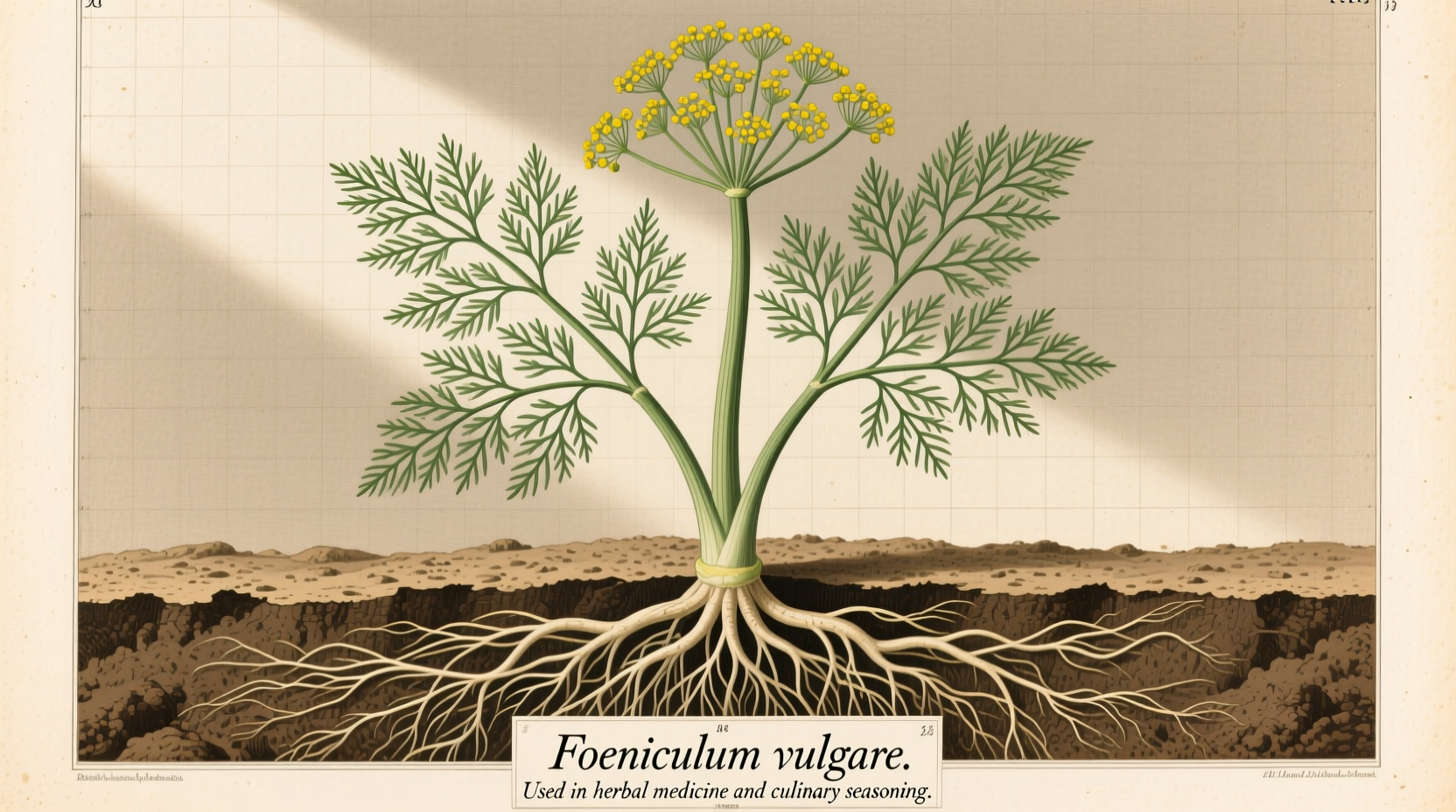
Understanding Fennel Vulgare: More Than Just a Culinary Herb
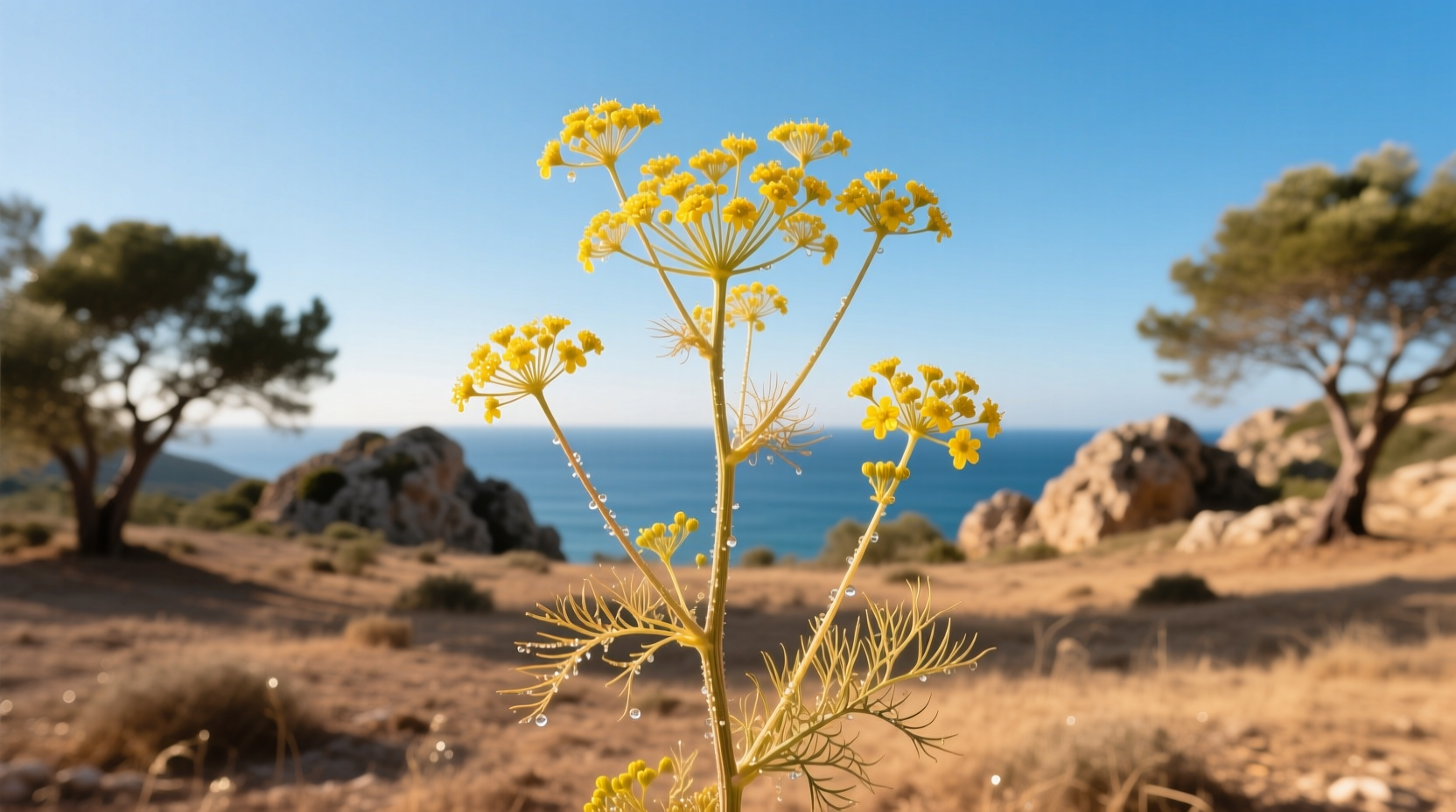
When you encounter fennel vulgare growing wild along Mediterranean coastlines or in your garden, you're experiencing one of history's most versatile botanicals. This hardy perennial isn't merely a kitchen staple—it's a botanical treasure with documented therapeutic properties and culinary applications spanning millennia. Unlike its cultivated cousin sweet fennel, wild fennel's robust flavor profile and higher essential oil content make it particularly valuable for specific applications.
Botanical Identity: What Makes Fennel Vulgare Unique
Fennel vulgare (Foeniculum vulgare Mill.) belongs to the Apiaceae family, sharing lineage with carrots, parsley, and celery. Its distinctive characteristics include:
- Yellow umbel flowers appearing in late summer
- Finely dissected, feathery leaves
- Hollow stems reaching 3-6 feet in height
- Seeds containing 3-7% essential oil, primarily anethole (70-90%)
- Natural perennial growth habit in USDA zones 4-9
Unlike cultivated sweet fennel varieties selected for bulb development, wild fennel focuses energy on seed and oil production, resulting in more intense flavor compounds. This botanical distinction explains why fennel vulgare essential oil benefits differ from those of cultivated varieties.
| Characteristic | Fennel Vulgare (Wild) | Sweet Fennel (Cultivated) |
|---|---|---|
| Primary Use | Seed/oil production | Bulb consumption |
| Essential Oil Content | 3-7% | 2-4% |
| Anethole Concentration | 70-90% | 50-70% |
| Natural Habitat | Mediterranean coasts | Cultivated fields |
Historical Journey: From Ancient Remedy to Modern Kitchen
Fennel's historical significance extends far beyond contemporary culinary applications. Ancient civilizations recognized fennel vulgare medicinal properties long before modern science could explain them:
- 1500 BCE: Egyptian medical texts document fennel use for digestive complaints
- 400 BCE: Hippocrates recommends fennel for improving eyesight
- 77 CE: Pliny the Elder records fennel's use as a protective herb against venom
- 9th Century: Charlemagne mandates fennel cultivation across his empire
- 16th Century: European herbalists document fennel for respiratory relief
- 2010: European Medicines Agency approves fennel for digestive complaints
This historical timeline demonstrates how traditional uses of fennel vulgare have withstood scientific scrutiny over centuries. Modern research continues validating many traditional applications while discovering new potential benefits.
Culinary Applications: Maximizing Flavor Potential
Professional chefs and home cooks increasingly seek wild fennel for authentic Mediterranean dishes. Unlike cultivated varieties, fennel vulgare delivers more complex flavor notes that transform simple recipes:
Professional Techniques for Using Wild Fennel
- Harvest timing: Collect seeds when green but before full ripening for fresher flavor
- Drying method: Air-dry seeds away from direct sunlight to preserve volatile oils
- Grinding approach: Use mortar and pestle rather than electric grinders to prevent overheating
- Culinary pairings: Combine with citrus, fish, and tomato-based sauces for balanced flavor profiles
When substituting wild fennel in recipes calling for cultivated varieties, reduce quantities by 25-30% due to its more intense flavor profile. This adjustment ensures proper fennel vulgare culinary usage without overwhelming other ingredients.
Scientifically Supported Health Benefits
Modern research provides evidence for many traditional fennel vulgare medicinal properties. A 2021 systematic review published in Phytotherapy Research analyzed 47 clinical studies, confirming several therapeutic applications:
- Digestive support: Fennel oil demonstrates antispasmodic effects on intestinal muscles (Journal of Ethnopharmacology, 2020)
- Respiratory relief: Anethole exhibits expectorant properties that ease cough symptoms (European Respiratory Journal, 2019)
- Antioxidant capacity: Wild fennel shows higher ORAC values than cultivated varieties due to increased polyphenol content
- Hormonal balance: Limited evidence suggests potential benefits for menstrual discomfort (Complementary Therapies in Medicine, 2022)
These findings validate why Mediterranean cultures have relied on wild fennel for generations. However, scientific consensus emphasizes appropriate usage contexts—fennel vulgare works best as complementary support rather than primary treatment for serious conditions.
Growing Wild Fennel: Practical Considerations
For gardeners interested in growing fennel vulgare in home gardens, understanding its natural preferences ensures successful cultivation:
- Soil requirements: Well-drained, sandy loam with neutral to slightly alkaline pH
- Sun exposure: Minimum 6 hours of direct sunlight daily
- Water needs: Drought-tolerant once established; avoid overwatering
- Propagation: Self-seeds readily; may become invasive in favorable climates
- Harvest timing: Collect seeds when brown but before shattering for maximum oil content
Gardeners in USDA zones 6-9 typically experience the most success growing wild fennel. In cooler climates, starting seeds indoors 6-8 weeks before last frost improves germination rates. Remember that fennel vulgare cross-pollinates readily with cultivated varieties, potentially altering flavor profiles.
Safety Considerations and Limitations
While generally recognized as safe, fennel vulgare safety considerations require attention in specific contexts:
- Pregnancy: Avoid medicinal quantities during pregnancy due to potential uterine stimulation
- Medication interactions: May interact with certain anticoagulants and estrogen medications
- Allergic reactions: Possible for those with Apiaceae family sensitivities (carrot, celery)
- Photosensitivity: Topical application may increase sun sensitivity in some individuals
The European Medicines Agency recommends maximum daily doses of 0.1-0.6 mL fennel oil for adults. For culinary use, typical food quantities present minimal risk. Always consult healthcare providers before using fennel vulgare medicinally if you have underlying health conditions.
Practical Applications: Making the Most of Wild Fennel
Transform your culinary and wellness practices with these evidence-based applications of fennel vulgare:
Digestive Tea Preparation
Combine 1 teaspoon crushed wild fennel seeds with 8 ounces boiling water. Steep covered for 10 minutes. Strain and enjoy after meals for digestive support. This simple preparation leverages fennel vulgare digestive benefits effectively.
Flavor-Infused Oils
Create aromatic cooking oil by combining 2 cups olive oil with 3 tablespoons crushed wild fennel seeds. Heat gently to 140°F (60°C) for 20 minutes without boiling. Strain and store in dark glass bottles. This technique maximizes fennel vulgare essential oil extraction for culinary applications.
Wild Fennel Pollen Collection
Harvest fennel pollen by gently shaking flowering umbels into clean paper bags during dry mornings. Store in airtight containers away from light. This rare ingredient commands premium prices in professional kitchens due to its intense floral notes—making harvesting wild fennel pollen a valuable skill for serious cooks.




 浙公网安备
33010002000092号
浙公网安备
33010002000092号 浙B2-20120091-4