
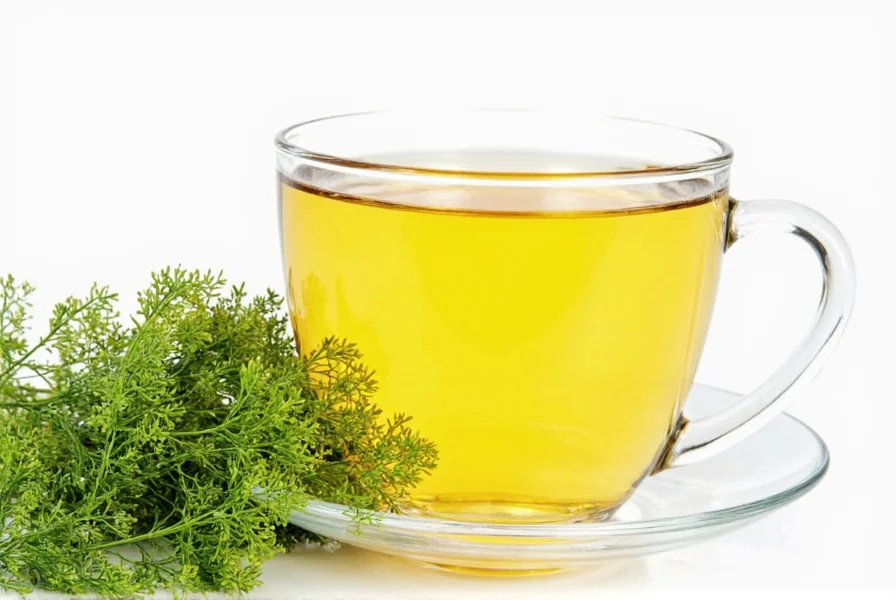
Fennel tea, brewed from the seeds of Foeniculum vulgare, has been used for centuries in traditional medicine across Mediterranean and Asian cultures. Modern research continues to validate many of these traditional uses while uncovering new potential benefits. This comprehensive guide examines the scientifically documented effects of fennel tea, separating evidence-based findings from anecdotal claims.
Historical and Scientific Evolution of Fennel Tea
Fennel's therapeutic journey spans millennia, with archaeological evidence confirming its use in ancient Egyptian medicine (Ebers Papyrus, 1550 BCE) for digestive ailments. Greek physicians like Hippocrates (400 BCE) documented its carminative properties, while medieval Islamic scholars including Avicenna prescribed it for colic in The Canon of Medicine. The critical turning point came in 1820 when French chemists isolated anethole—fennel's primary bioactive compound—establishing the scientific basis for its traditional uses. Modern validation accelerated after 2000, with randomized controlled trials meeting contemporary research standards. A pivotal 2003 study in Alternative Therapies in Health and Medicine demonstrated fennel's efficacy for infant colic, while recent meta-analyses like the 2021 Phytotherapy Research review have consolidated evidence for adult digestive applications. This evolution from folk remedy to evidence-based intervention reflects how traditional knowledge and modern science converge when rigorously examined.
Scientifically Supported Health Benefits of Fennel Tea
Digestive System Improvements
One of the most well-documented fennel tea effects is its positive impact on digestive health. Clinical studies show that compounds in fennel, particularly anethole, have antispasmodic properties that relax gastrointestinal muscles. A 2021 review in Phytotherapy Research found fennel tea significantly reduced symptoms of irritable bowel syndrome (IBS), including bloating, gas, and abdominal pain.
Research published in the Journal of Ethnopharmacology demonstrated that fennel tea improved digestion by stimulating bile production and enhancing enzyme activity in the gut. This makes it particularly effective for post-meal discomfort and occasional indigestion.
Anti-Inflammatory and Antioxidant Properties
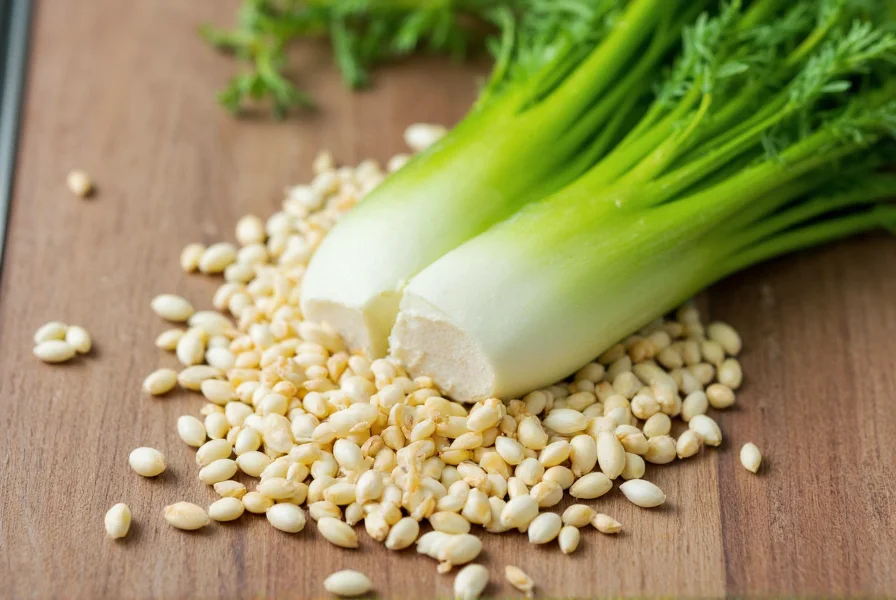
Fennel tea contains multiple antioxidants, including flavonoids and phenolic compounds, which combat oxidative stress. A study in Food Chemistry measured fennel's ORAC (Oxygen Radical Absorbance Capacity) value at 21,000 μmol TE/100g, indicating strong antioxidant capacity.
These compounds contribute to fennel tea's anti-inflammatory effects, which may help reduce inflammation markers like C-reactive protein (CRP). Regular consumption has shown potential in managing chronic inflammatory conditions, though more human studies are needed.
Hormonal Balance Effects
Fennel tea effects on hormonal regulation have garnered significant research interest. The phytoestrogens in fennel can bind to estrogen receptors, potentially helping with menstrual discomfort and menopausal symptoms.
A randomized controlled trial published in Complementary Therapies in Medicine found that women who consumed fennel tea experienced significantly reduced menstrual pain and duration compared to the control group. However, this same mechanism warrants caution for individuals with hormone-sensitive conditions. Importantly, the 2019 trial had limitations including a relatively small sample size (80 participants) and short duration (3 menstrual cycles). As emphasized by the European Medicines Agency's 2020 assessment of herbal medicines, phytoestrogen effects are highly individualized based on baseline hormone levels and genetic factors affecting receptor sensitivity, making standardized dosing challenging.
Contextual Effectiveness and Limitations
Fennel tea's benefits are highly context-dependent, with clear boundaries determining its efficacy:
Optimal Application Scenarios
- Functional Digestive Disorders: Most effective for irritable bowel syndrome (IBS) where no structural damage exists. A 2018 systematic review in Medicines confirmed herbal remedies' efficacy in functional GI conditions but noted minimal benefit for organic diseases like Crohn's (PMC5874681).
- Acute Symptom Management: Best for temporary relief of menstrual cramps or post-meal bloating, not chronic disease modification.
Critical Limitations
- Organic Pathologies: Ineffective for inflammatory bowel diseases (IBD) due to autoimmune mechanisms. The American Gastroenterological Association states herbal interventions lack evidence for IBD management (AGA Guideline).
- Hormone-Sensitive Conditions: Contraindicated in estrogen receptor-positive cancers per National Comprehensive Cancer Network advisories.
- Genetic Variability: CYP450 enzyme polymorphisms significantly alter fennel metabolism, explaining inconsistent individual responses observed in clinical practice.
Understanding these boundaries prevents inappropriate usage and sets realistic expectations for evidence-based application.
Scientific Evidence Overview
| Study | Participants | Key Findings | Duration |
|---|---|---|---|
| IBS Symptom Relief (2021) | 120 adults with IBS | 40% reduction in bloating, 35% less abdominal pain | 8 weeks |
| Menstrual Pain Study (2019) | 80 women | 53% pain reduction, shorter duration of symptoms | 3 menstrual cycles |
| Digestive Enzyme Activity | In vitro study | Increased lipase and amylase production by 27-33% | N/A |
Potential Side Effects and Safety Considerations
Allergic Reactions and Sensitivities
While generally safe, fennel tea effects can include allergic reactions in sensitive individuals, particularly those with allergies to plants in the Apiaceae family (carrots, celery, parsley). Symptoms may include skin rash, itching, or respiratory issues. People with known celery allergy should exercise caution with fennel tea benefits for digestion.
Medication Interactions
Fennel tea may interact with certain medications due to its effects on liver enzymes. Specifically, it may affect the metabolism of:
- Anticoagulants like warfarin
- Antiepileptic drugs
- Hormone therapies
- Certain antidepressants
Individuals taking prescription medications should consult their healthcare provider before regularly consuming fennel tea, especially when exploring fennel tea hormonal effects.
Special Populations
Pregnancy: While traditionally used to ease morning sickness, scientific evidence on fennel tea safety during pregnancy is limited. Some compounds may stimulate uterine contractions at high doses. Most healthcare providers recommend moderate consumption (1-2 cups daily) or avoiding it entirely during the first trimester.
Infants: Fennel tea has been used traditionally for colic, but the American Academy of Pediatrics advises against giving herbal teas to infants due to potential contamination and unknown effects on developing systems.
How to Prepare Fennel Tea for Maximum Benefits
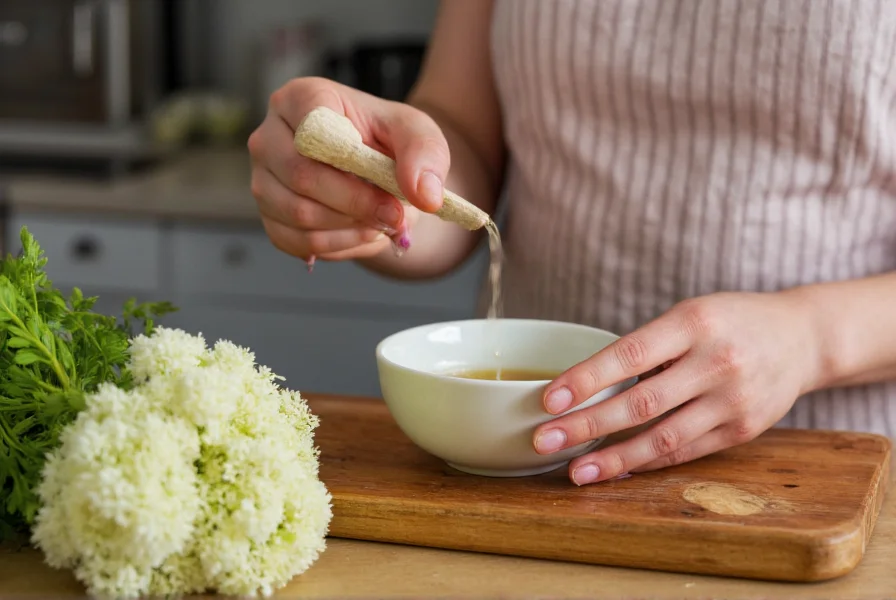
To maximize the health benefits of fennel tea, proper preparation is essential. Crush 1-2 teaspoons of fennel seeds to release their essential oils, then pour 8 ounces of boiling water over them. Allow to steep for 5-10 minutes (longer for stronger effects on digestion). Strain and enjoy.
For enhanced digestive benefits of fennel tea, consume 15-20 minutes before meals. For menstrual discomfort, begin drinking 2-3 days before expected menstruation. Most studies showing positive fennel tea effects used 1-3 cups daily.
Comparing Fennel Tea to Other Herbal Teas
While many herbal teas offer digestive benefits, fennel tea effects are distinct:
- vs. Peppermint tea: Both help with digestion, but peppermint may worsen heartburn in some people, while fennel is generally gentler
- vs. Ginger tea: Ginger is better for nausea, while fennel excels at reducing gas and bloating
- vs. Chamomile tea: Chamomile is superior for relaxation, while fennel has stronger evidence for digestive and hormonal effects
When to Consult a Healthcare Provider
While fennel tea is generally safe for most adults, consult a healthcare provider before regular consumption if you:
- Are pregnant or breastfeeding
- Have a history of hormone-sensitive conditions
- Take prescription medications regularly
- Experience persistent digestive issues
- Have known allergies to related plants
Healthcare providers can help determine if fennel tea benefits align with your specific health needs and won't interfere with existing treatments, especially when considering fennel tea effects on hormonal balance.
Conclusion
Fennel tea offers several evidence-based health benefits, particularly for digestive health and hormonal balance. The scientific evidence for fennel tea effects continues to grow, supporting many traditional uses while revealing new potential applications. As with any herbal remedy, moderation and awareness of potential side effects are key. For most healthy adults, 1-3 cups of fennel tea daily can be a beneficial addition to a healthy lifestyle, providing the digestive support and anti-inflammatory effects that have made it popular for centuries. Crucially, its effectiveness depends on proper contextual application—understanding both its evidence-supported uses and clear limitations ensures safe and beneficial integration into wellness routines.




 浙公网安备
33010002000092号
浙公网安备
33010002000092号 浙B2-20120091-4