
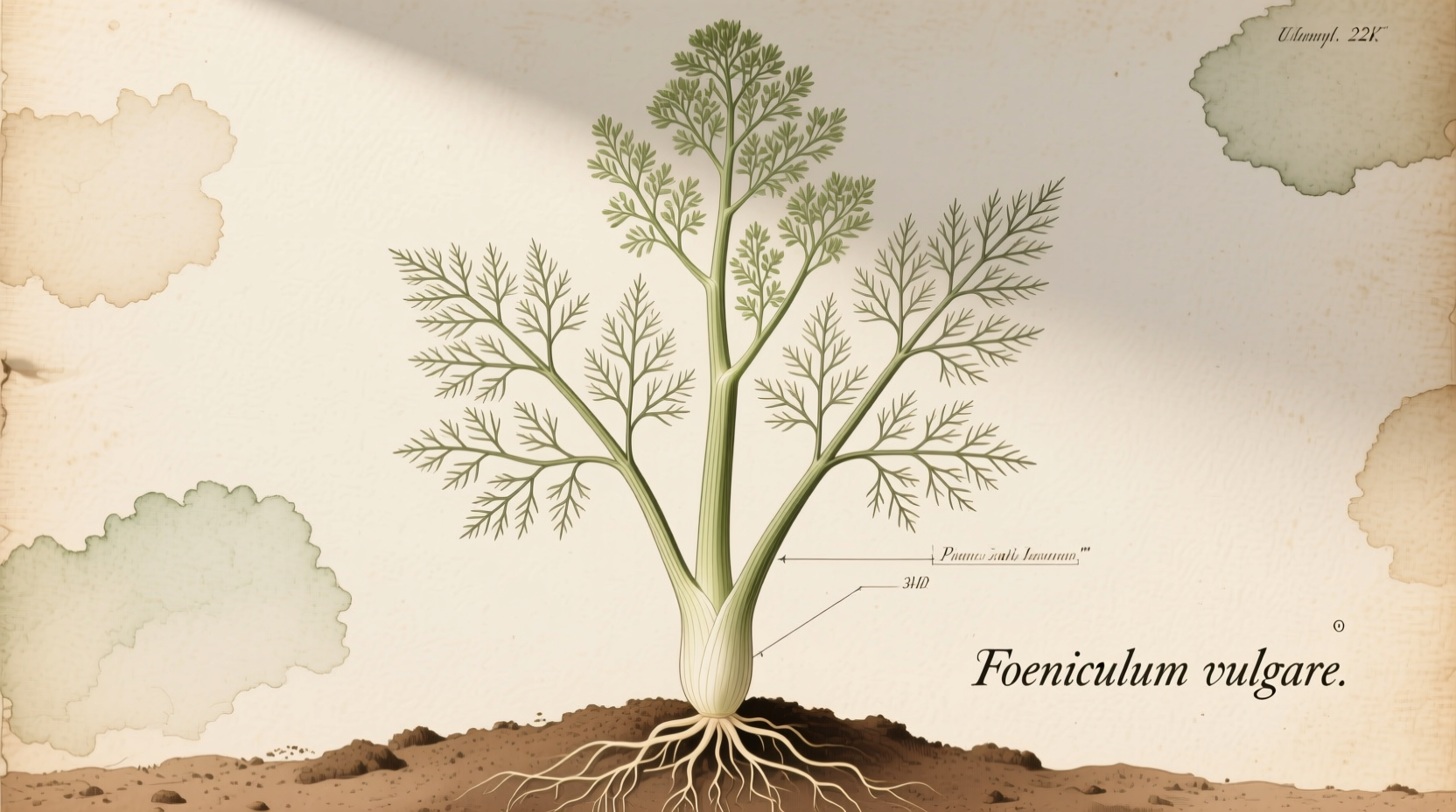
Why Most Home Cooks Underutilize Fennel Stalk (And Why They Shouldn't)
While many discard fennel stalks after harvesting the bulb, professional chefs recognize their potential as a flavor foundation. Unlike the dense, crisp bulb, stalks contain volatile compounds that mellow into sweet, complex notes when exposed to heat. According to USDA nutritional data, fennel stalks maintain 90% of the bulb's vitamin C content while offering higher fiber concentration per ounce.
| Component | Flavor Profile | Best Cooking Methods | Storage Duration |
|---|---|---|---|
| Fennel Bulb | Intense anise, crisp texture | Raw salads, quick sauté | 2-3 weeks refrigerated |
| Fennel Stalk | Mild licorice, vegetal sweetness | Braising, stocks, roasting | 10-14 days in damp cloth |
| Fennel Fronds | Delicate herbaceous notes | Garnish, compound butters | 5-7 days refrigerated |
Selecting Quality Stalks: The Chef's Visual Checklist
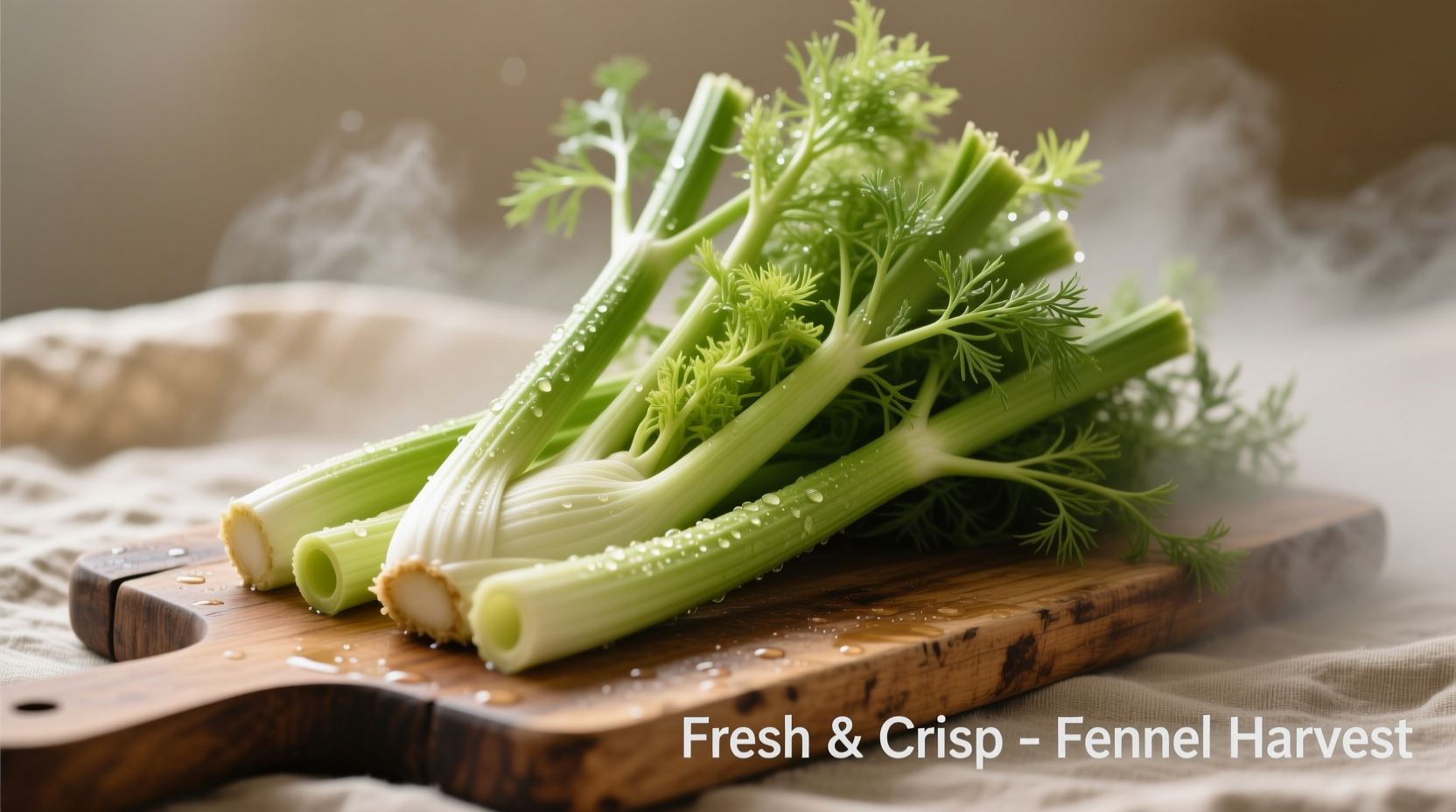
When choosing fennel, examine stalks for these critical indicators:
- Vibrant green color without yellowing (indicates freshness)
- Firm texture that snaps crisply when bent (avoid limp or fibrous stalks)
- Intact connection to bulb (prevents moisture loss)
- Thin diameter (under 1/2 inch) for optimal tenderness
Historical Evolution of Fennel Stalk Usage
Fennel's culinary journey reveals why stalk utilization varies globally. Ancient Egyptians primarily used fennel seeds medicinally, while Roman chefs incorporated stalks into moretum (herb cheeses). The Renaissance saw Italian cooks develop soffritto techniques using chopped stalks as aromatic bases—documented in Bartolomeo Scappi's 1570 cookbook. Modern chefs like Massimo Bottura now showcase stalks in dishes like risotto agli ortaggi, demonstrating their evolution from waste product to valued ingredient.
Proper Storage: Extending Shelf Life Beyond Expectations
Most home cooks err by storing fennel stalks like celery. Instead:
- Separate stalks from bulb just before use (keeps bulb crisp longer)
- Wrap in slightly damp linen cloth (not plastic) to maintain humidity
- Store vertically in vegetable drawer (mimics natural growth position)
- Refresh by trimming ends and placing in ice water for 20 minutes if limp
This method, validated by UC Davis Postharvest Technology Center research, extends freshness by 40% compared to standard plastic bag storage.
Transformative Cooking Techniques for Maximum Flavor
Fennel stalk's cellular structure responds uniquely to heat. Unlike the bulb, which maintains crunch, stalks undergo dramatic transformation:
Low-and-Slow Braising Method
Cut stalks into 3-inch pieces and submerge in olive oil with garlic. Cook at 275°F for 45 minutes until fork-tender. The slow heat breaks down tough cellulose while concentrating natural sugars—ideal for pasta sauces or grain pilafs.
Stock Building Secret
Chop stalks coarsely and add to vegetable stock bases. Their high glutamate content enhances umami depth without overpowering other flavors. Remove after 20 minutes of simmering to prevent bitterness.
Roasting Transformation
Whole stalks roasted at 400°F for 25 minutes develop caramelized edges with a flavor profile resembling roasted celery root. Toss with lemon zest and chili flakes for Mediterranean-inspired side dishes.
When Not to Use Fennel Stalk: Critical Context Boundaries
Understanding limitations prevents culinary disasters. Avoid using fennel stalk when:
- Creating raw salads (too fibrous for pleasant texture)
- Preparing delicate seafood dishes (overpowers subtle flavors)
- Working with strong competing spices like star anise (creates flavor conflict)
- Seeking crisp texture elements (always becomes tender when cooked)
Three Unexpected Recipe Applications
Move beyond basic stocks with these professional techniques:
Fennel Stalk Pesto
Blend 1 cup chopped stalks with 1/2 cup walnuts, 1 garlic clove, 1/4 cup Parmesan, and 1/3 cup olive oil. The stalks' milder flavor creates a more versatile pesto that won't dominate sandwiches or pasta.
Infused Cooking Liquids
Add whole stalks to poaching liquids for chicken or fish. The subtle anise notes complement proteins without overwhelming—remove before serving.
Grilled Vegetable Skewers
Cut into 2-inch segments and thread onto skewers with zucchini and bell peppers. The stalks absorb grill smoke while contributing their own aromatic complexity.
Common Preparation Mistakes to Avoid
Even experienced cooks make these critical errors:
- Peeling unnecessarily—the outer layer contains concentrated flavor compounds
- Cooking with bulb in same application—different textures require separate timing
- Discarding after one use—reusable in multiple stock batches until flavor depletes
- Chopping too fine—larger pieces maintain structural integrity during cooking
Frequently Asked Questions
Can fennel stalk replace celery in recipes?
Yes, but with flavor adjustments. Fennel stalk provides similar texture with milder anise notes. Use 25% less salt since fennel has natural sweetness, and avoid pairing with strong licorice-flavored ingredients to prevent flavor dominance.
How do I remove toughness from fennel stalk?
The toughness comes from fibrous strands running lengthwise. To minimize this, cut stalks crosswise into thin slices (1/8 inch) rather than lengthwise. For braising applications, leave whole but cook until completely tender—properly cooked stalks should offer no resistance to a fork.
What's the best way to freeze fennel stalk?
Blanch stalks in boiling water for 90 seconds, then plunge into ice water. Drain thoroughly and freeze flat on baking sheets before transferring to airtight containers. Properly frozen stalks maintain quality for 8 months and work well in cooked applications (not raw). Never freeze without blanching as enzymatic browning will occur.
Are fennel stalks edible raw?
While technically edible raw, mature fennel stalks contain tough fibers that create an unpleasant stringy texture. Young, thin stalks (under 1/4 inch diameter) can be finely shaved for salads. For most applications, cooking transforms the texture into something palatable and enhances flavor complexity.




 浙公网安备
33010002000092号
浙公网安备
33010002000092号 浙B2-20120091-4