
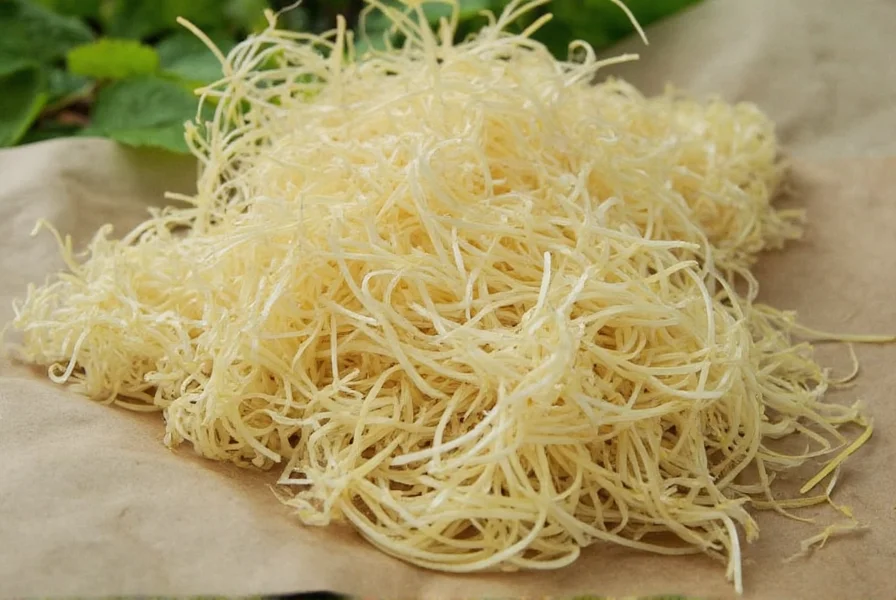
Understanding Fennel Root: Beyond the Common Misconceptions
Many home cooks confuse fennel root with the bulbous base of Florence fennel (Foeniculum vulgare), but they're botanically distinct. True fennel root comes from Ammi visnaga, a different plant in the Apiaceae family, while what's commonly sold as "fennel" in grocery stores is actually the bulb of Florence fennel. This distinction is crucial when exploring fennel root culinary applications or researching its traditional uses.
The confusion stems from similar naming conventions across regions. In Mediterranean and Middle Eastern cuisines, fennel root has been used for centuries, while Florence fennel bulb dominates Western cooking. Understanding this difference helps prevent recipe failures and ensures accurate information when researching fennel root health properties.
Botanical Profile and Identification
Fennel root (Ammi visnaga) grows as a biennial plant with feathery leaves and small white flowers. The root itself is typically 2-4 inches in diameter with a pale brown exterior and creamy white interior. When selecting fennel root, look for firm specimens without soft spots or excessive branching.
| Characteristic | Fennel Root (Ammi visnaga) | Florence Fennel Bulb |
|---|---|---|
| Botanical Name | Ammi visnaga | Foeniculum vulgare |
| Primary Use | Traditional medicine, specialty cooking | Culinary (bulb, fronds, seeds) |
| Flavor Profile | Earthy, slightly bitter, mild anise notes | Pronounced anise/licorice, sweet |
| Availability | Specialty markets, Mediterranean grocers | Most grocery stores |
Nutritional Composition and Research-Backed Properties
Fennel root contains several bioactive compounds including visnagin, khellin, and various flavonoids. Unlike fennel seeds which are rich in anethole, fennel root's primary compounds offer different potential benefits. Current research suggests possible cardiovascular and respiratory benefits, though more human studies are needed.
When examining fennel root nutritional benefits, it's important to distinguish between traditional uses and scientifically verified effects. Preliminary studies indicate:
- Visnagin compounds may support healthy blood vessel function
- Potential bronchodilatory effects noted in traditional respiratory preparations
- Antioxidant properties from flavonoid content
- Traditional digestive applications supported by limited modern research
Researchers emphasize that most evidence comes from laboratory studies or traditional use documentation, not large-scale human trials. This distinction matters when evaluating fennel root health claims versus established facts.
Culinary Applications and Preparation Techniques
Chefs specializing in Mediterranean cuisine prize fennel root for its complex flavor profile. Proper preparation enhances its culinary value while minimizing bitterness. Here's how to work with this specialty ingredient:
- Selection and storage: Choose firm roots without soft spots. Store in a perforated plastic bag in the refrigerator's crisper drawer for up to two weeks.
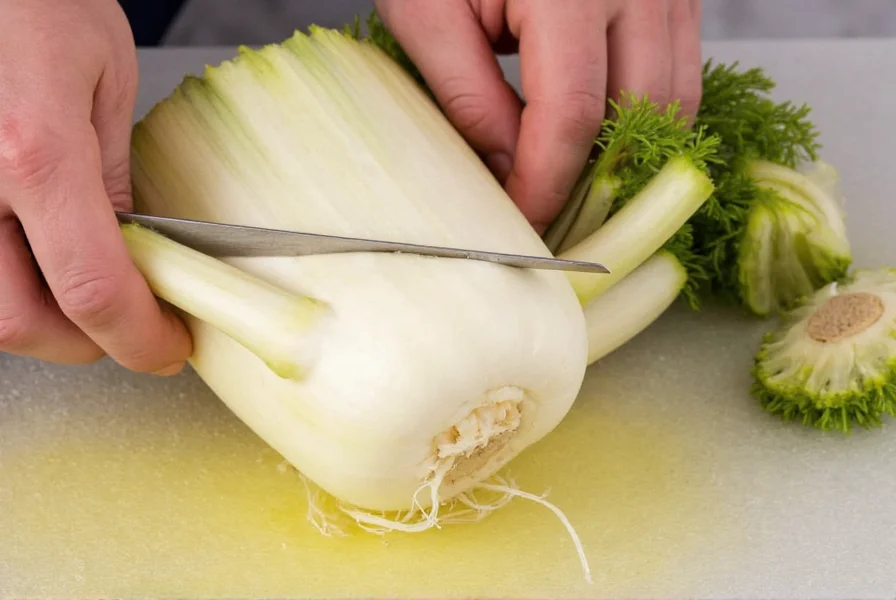
- Preparation: Peel thoroughly with a vegetable peeler, removing all brown exterior. Slice thinly for quick cooking or cube for slow braising.
- Cooking methods: Braising, roasting, or slow simmering works best. Pair with citrus, olive oil, garlic, and herbs like thyme.
For those exploring how to cook with fennel root, try this simple preparation method: Peel and slice 2 inches of fennel root, then simmer in chicken broth with lemon zest for 20 minutes until tender. The resulting infusion works beautifully in soups or as a base for risotto.
Traditional Uses and Modern Context
Historically, fennel root featured prominently in Mediterranean folk medicine, particularly for respiratory and digestive support. Traditional preparations often involved decoctions (boiled extracts) rather than raw consumption.
Modern herbalists sometimes incorporate fennel root into formulations, but emphasize it should complement rather than replace conventional medical care. When researching fennel root traditional medicine applications, verify sources carefully as many online claims lack scientific backing.
Important safety note: Fennel root contains compounds that may interact with certain medications. Consult healthcare providers before using fennel root medicinally, especially if taking blood pressure medications or anticoagulants.
Historical Timeline of Fennel Root Utilization
Fennel root's application spans millennia, with documented evolution from ancient remedy to modern research subject. Key milestones include:
- Ancient Era (Pre-500 CE): Egyptian medical texts referenced Ammi visnaga for urinary tract relief, later adopted by Greek physicians including Dioscorides who documented its use for kidney stones [1].
- Medieval Period (500-1500 CE): Islamic scholars expanded applications, with Avicenna's Canon of Medicine prescribing it for colic and respiratory conditions [1].
- 19th Century: Western pharmacology isolated khellin, establishing Ammi visnaga's use as a spasmolytic for angina and asthma [1].
- 1960s-Present: Research shifted toward synthetic derivatives (e.g., amiodarone), while traditional culinary uses persist with growing scientific interest in visnagin compounds [2].
Sources: [1] European Medicines Agency (2014) assessment report; [2] Journal of Ethnopharmacology (2020) review
Verification: EMA Herbal Monograph and Modern Research Analysis
Practical Tips for Home Cooks
For those interested in experimenting with fennel root culinary uses, start with these accessible approaches:
- Add thinly sliced raw fennel root to salads for a subtle earthy note
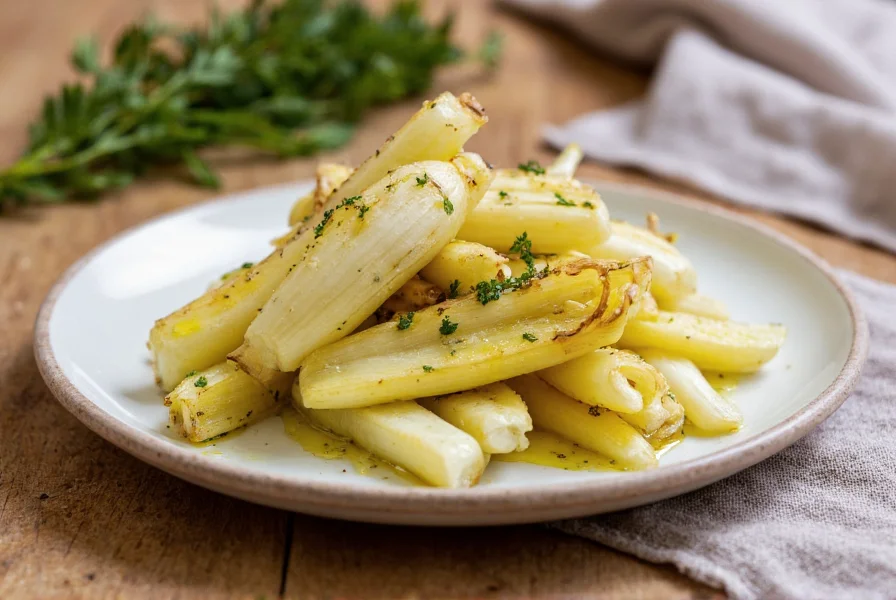
- Roast cubed fennel root with olive oil and herbs as a side dish
- Simmer in broths to add depth without overwhelming anise flavor
- Grate into slaws for added texture and mild bitterness
When substituting in recipes, remember that fennel root doesn't provide the same pronounced anise flavor as fennel bulb. For authentic fennel root recipe ideas, seek traditional Mediterranean cookbooks rather than general Western recipe sources.
Context Boundaries: Appropriate Use Scenarios and Limitations
Understanding where fennel root provides value—and where it falls short—is essential for responsible utilization. Evidence-based context boundaries include:
Culinary Applications
Appropriate When: Enhancing Mediterranean dishes with earthy, subtle anise notes; substituting for other root vegetables in slow-cooked preparations.
Limitations: Not suitable as a direct substitute for Florence fennel bulb in recipes requiring pronounced licorice flavor; raw consumption may cause bitterness if not properly prepared.
Traditional Medicinal Use
Appropriate When: Used as a complementary approach for digestive support via culinary quantities (e.g., broths); historical context supports topical applications for minor skin irritations [1].
Limitations: Not validated for treating medical conditions; decoctions should never replace prescribed therapies for respiratory or cardiovascular issues [2].
Contraindications & Safety Boundaries
- Pregnancy: Avoid medicinal use due to potential uterine stimulation (EMA classifies as unsafe during pregnancy) [2]
- Medication Interactions: May amplify effects of blood pressure drugs or anticoagulants; requires healthcare consultation [2]
- Allergies: Contraindicated for individuals with Apiaceae family sensitivities (carrot, celery, parsley) [3]
Sources: [1] EMA Herbal Monograph (2014); [2] NIH LiverTox Database (2022); [3] American Academy of Dermatology (2020)
Verification: EMA Report, LiverTox Entry, Apiaceae Allergy Guidance




 浙公网安备
33010002000092号
浙公网安备
33010002000092号 浙B2-20120091-4