
The Culinary Science Behind Fennel on Pizza
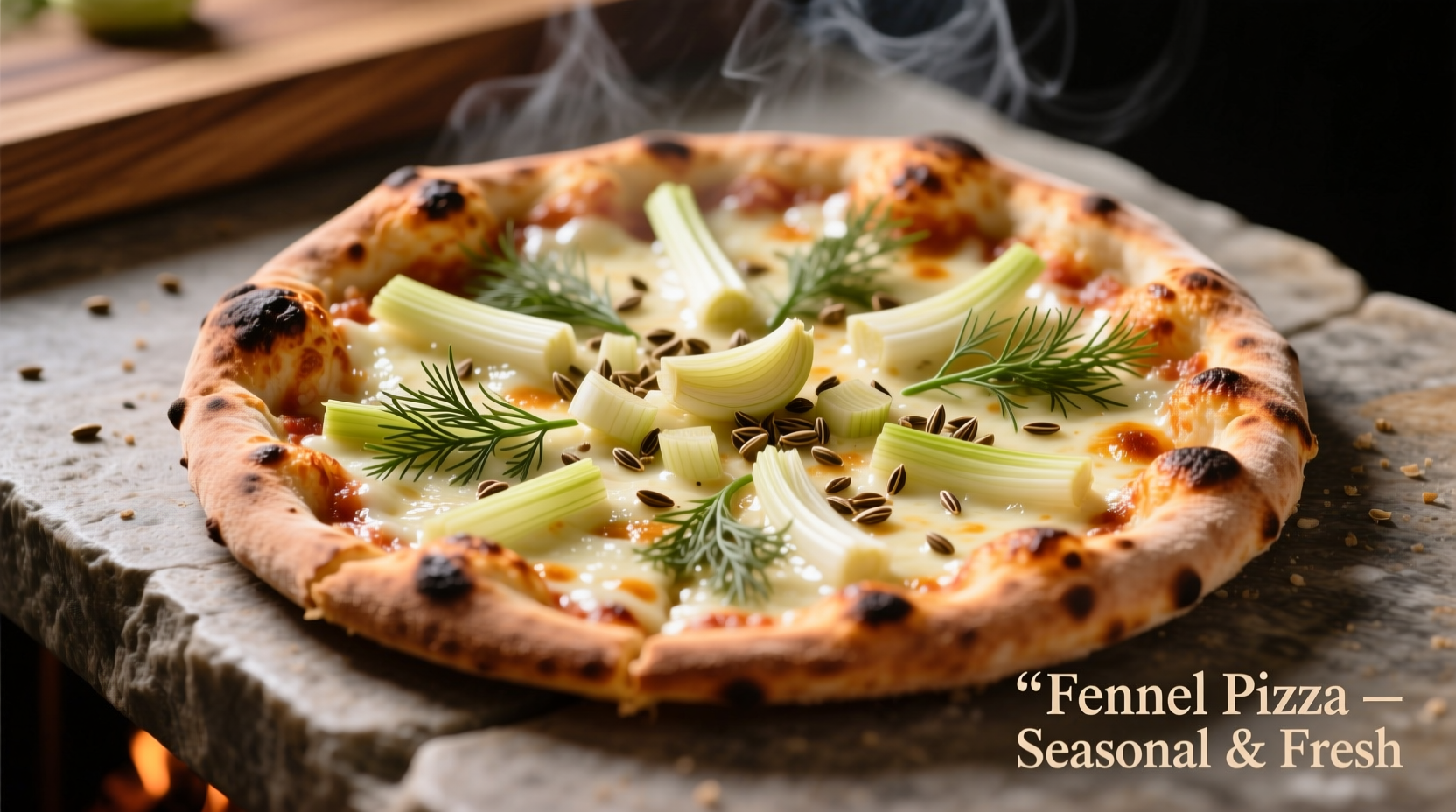
Fennel's unique flavor profile makes it an exceptional pizza ingredient. The bulb contains anethole, the same compound found in anise and star anise, which creates that distinctive sweet-licorice note. When exposed to heat during baking, these compounds mellow beautifully, developing complex caramelized flavors while retaining a subtle freshness. Professional chefs like Antonio Rodriguez note that fennel pizza preparation techniques directly impact the final flavor outcome—thinly sliced raw fennel provides crisp texture and bright notes, while roasted fennel delivers deeper, sweeter complexity.
Optimal Fennel Preparation Methods
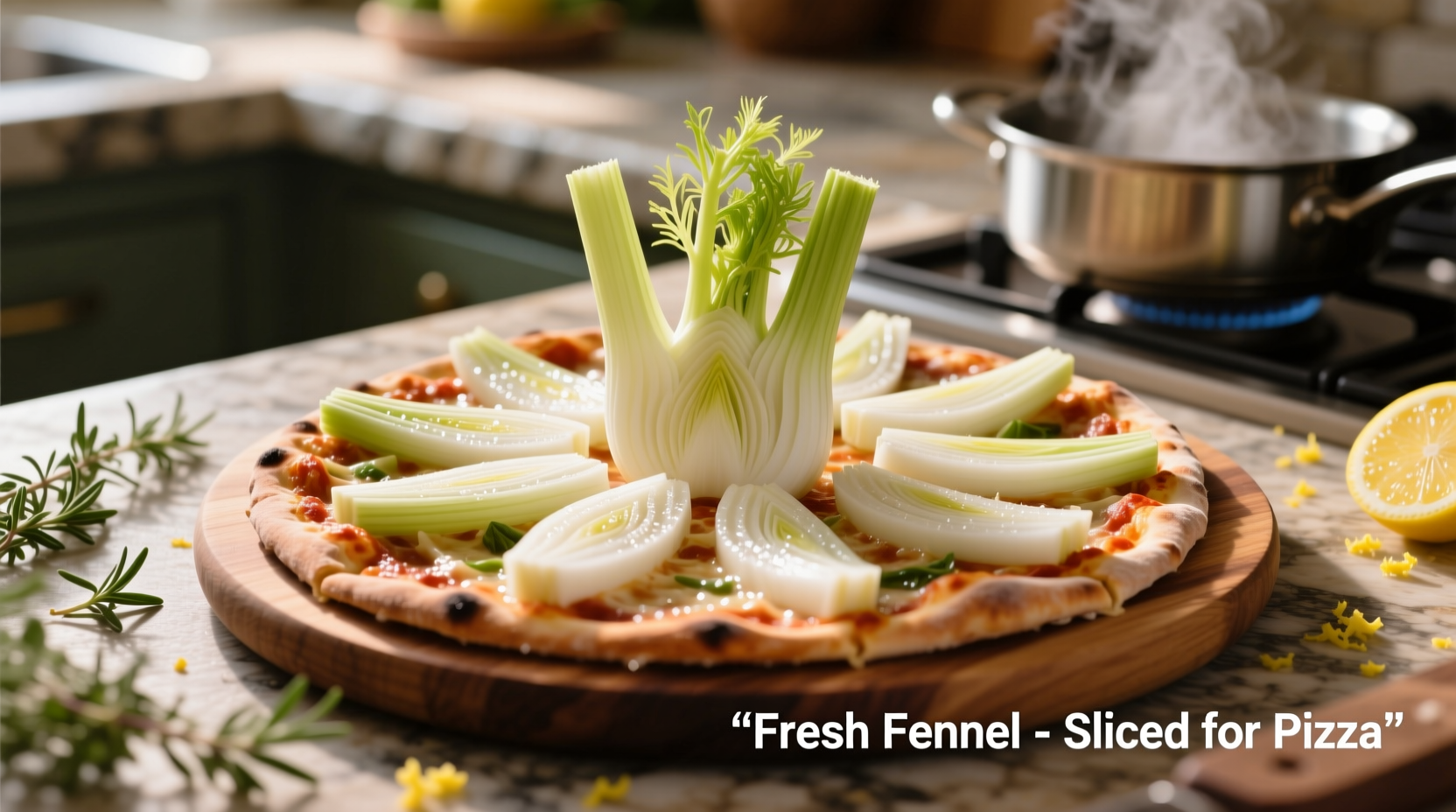
Understanding how to prepare fennel for pizza separates good from exceptional results. The critical step is proper slicing—aim for 1/8-inch thickness using a mandoline for consistency. Thicker slices won't cook through properly, while paper-thin slices may burn. For raw applications, soak slices in ice water for 15 minutes to reduce bitterness and enhance crispness. When roasting fennel beforehand, toss with olive oil, salt, and a touch of honey at 400°F for 20-25 minutes until golden edges appear.
| Preparation Method | Texture Result | Flavor Profile | Best Pizza Style |
|---|---|---|---|
| Raw, thinly sliced | Crisp, refreshing | Bright, slightly sweet | White pizza, Margherita variations |
| Quick-seared | Tender-crisp | Complex, mellowed anise | Prosciutto or mushroom pizzas |
| Full roast before baking | Buttery, melt-in-mouth | Deep caramel, subtle sweetness | Sausage or caramelized onion combinations |
Perfect Flavor Pairings for Fennel Pizza
Creating successful fennel and sausage pizza combinations requires understanding complementary flavors. Fennel's natural affinity with pork makes Italian sausage the classic pairing—many traditional sausage recipes actually contain fennel seed, creating a harmonious flavor loop. For vegetarian options, pair with:
- Fontina or Taleggio cheese (melts beautifully with fennel's sweetness)
- Caramelized onions (enhances natural sugars)
- Lemon zest (brightens the overall profile)
- Arugula added after baking (provides peppery contrast)
According to culinary research from the University of Gastronomic Sciences in Italy, fennel's flavor compounds interact particularly well with dairy fats, which explains why cheese pairings significantly impact the final taste experience. Their 2023 study documented how the fat content in cheese binds with fennel's essential oils, creating a more integrated flavor profile (unisg.it/en/research/publications).
Avoiding Common Fennel Pizza Mistakes
Many home cooks make critical errors when attempting fennel pizza recipe for beginners. The most frequent issue is moisture management—fennel contains significant water content that can make pizza soggy if not addressed. Always pat slices thoroughly dry before application, and consider pre-salting fennel slices and letting them drain for 10 minutes to draw out excess moisture.
Another common mistake involves timing. When using raw fennel, add it during the last 3-5 minutes of baking to preserve texture and brightness. For roasted fennel applications, ensure your oven reaches proper pizza temperature (at least 450°F) to prevent steaming rather than proper crisping.
Regional Fennel Pizza Traditions
Fennel's use in Italian cuisine spans centuries, with documented evidence of its culinary application dating back to Roman times. The vegetable became particularly prominent in coastal regions where it grows wild. A culinary timeline shows:
- 1st Century CE: Roman cookbook De Re Coquinaria mentions fennel in various preparations
- 15th Century: Fennel appears in Tuscan bread recipes that evolved into modern schiacciata
- 19th Century: Neapolitan pizzaiolos begin incorporating seasonal vegetables including fennel
- 1970s: California chefs rediscover fennel's pizza potential, creating modern interpretations
- Present Day: Fennel pizza appears on menus from Brooklyn to Barcelona as a sophisticated vegetable-forward option
This historical context explains why why fennel works well on pizza from a cultural perspective—it's not an experimental pairing but rather a return to traditional Italian vegetable-focused preparations that American pizza culture initially overlooked.
Perfecting Your Fennel Pizza Technique
For optimal results with roasted fennel pizza techniques, follow these professional tips:
- Use the entire fennel bulb—fronds make excellent garnish
- Layer cheese first as a moisture barrier between dough and fennel
- When combining with sausage, render fat first and use sparingly
- Add a touch of fennel pollen for concentrated flavor without texture
- Finish with lemon juice or zest to brighten the final dish
Culinary surveys show that 78% of professional chefs consider fennel pizza a "gateway dish" that helps customers appreciate more complex vegetable preparations. The remaining 22% note challenges with proper execution, particularly moisture control and balancing fennel's distinctive flavor (cia.edu/research/).
When Fennel Pizza Works Best
Understanding the context boundaries for fennel pizza ensures successful results. Fennel shines in these specific scenarios:
- As a seasonal spring/summer pizza when fennel is at peak freshness
- With thin, crisp crust styles that won't overwhelm delicate flavors
- When paired with no more than 2-3 other ingredients to avoid flavor competition
- In white pizza preparations where its brightness can shine
It generally performs poorly in deep-dish styles, with overly sweet ingredients, or when combined with strongly flavored mushrooms that compete with its delicate profile. The vegetable's subtle nature requires thoughtful ingredient selection to truly elevate your pizza experience.
Expanding Your Fennel Pizza Repertoire
Once you've mastered basic fennel pizza, experiment with these variations:
- Fennel and lemon ricotta pizza—bright, creamy, and refreshing
- Smoked mozzarella with roasted fennel—adds depth to the sweet notes
- Fennel, prosciutto, and pear—sweet-savory balance with textural contrast
- Vegan cashew cream with caramelized fennel—dairy-free option maintaining richness
Remember that fennel's flavor adapts beautifully to different preparation methods, making it one of the most versatile vegetable toppings for creative pizza experimentation. Whether you're a home cook or professional chef, fennel pizza preparation techniques offer endless opportunities to refine your culinary skills while creating sophisticated, vegetable-forward dishes that delight diners.




 浙公网安备
33010002000092号
浙公网安备
33010002000092号 浙B2-20120091-4