
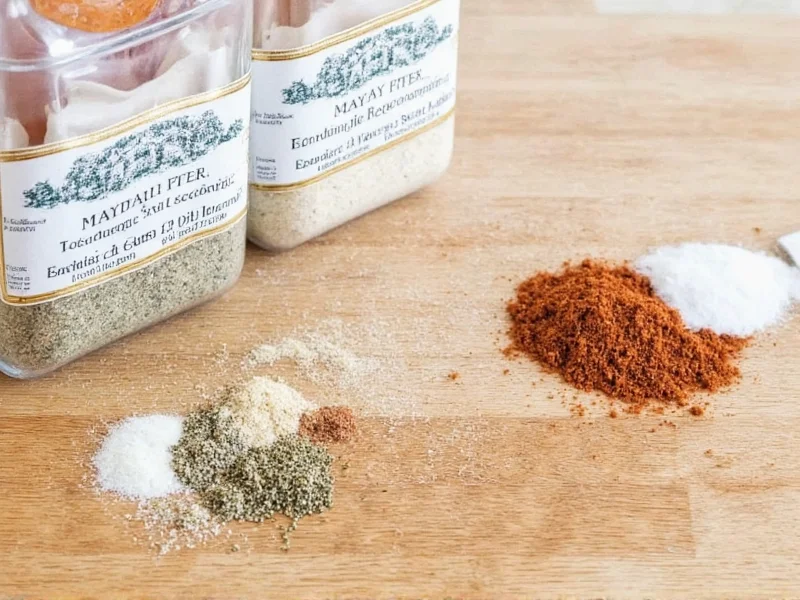
Understanding the precise composition of everything bagel seasoning helps both home cooks and culinary enthusiasts recreate that beloved New York-style bagel shop flavor. This popular seasoning blend has become a pantry staple far beyond its original use on bagels, appearing on everything from avocado toast to roasted vegetables. Let's explore what makes this simple yet complex blend so irresistible.
The Core Components of Everything Bagel Seasoning
At its most traditional formulation, everything bagel seasoning contains five fundamental ingredients. Each component plays a specific role in creating the distinctive flavor profile that has made this blend so popular across North America.
| Ingredient | Flavor Contribution | Texture Role |
|---|---|---|
| White sesame seeds | Nutty, slightly sweet base note | Provides substantial crunch |
| Poppy seeds | Subtle earthiness | Fine texture contrast |
| Dried minced garlic | Pungent, savory depth | Small granular texture |
| Dried minced onion | Sweet, sharp aromatic quality | Small granular texture |
| Coarse salt (typically sea salt or kosher salt) | Flavor enhancer, balances other elements | Crystalline crunch |
Traditional Proportions in Everything Bagel Seasoning Mix
While recipes vary slightly between bakeries and regions, the standard ratio maintains balance between the five components. Professional bagel makers typically follow these proportions for authentic everything bagel spice ingredients:
- 3 parts white sesame seeds
- 2 parts poppy seeds
- 2 parts dried minced garlic
- 2 parts dried minced onion
- 1 part coarse salt
This 10-part ratio creates the perfect balance where no single element dominates. The sesame seeds provide the visual and textural foundation, while the garlic and onion deliver the signature savory punch. The poppy seeds add visual interest and subtle flavor complexity, and the salt ties everything together.
Variations Across Regions and Brands
While the classic five-ingredient formula remains dominant, regional variations of everything bagel topping ingredient list have emerged:
- New York style: Slightly heavier on garlic with a touch of black pepper
- California version: Often includes a small amount of dried cilantro
- Commercial blends: Some mass-market versions add malted barley flour or other fillers
- Health-conscious alternatives: Reduced-sodium versions or those substituting nutritional yeast for some salt
When examining store-bought everything bagel seasoning ingredients, check labels carefully. Authentic blends should list only the five core components without additives, preservatives, or anti-caking agents.
Historical Evolution of Everything Bagel Seasoning
The "everything" concept originated in New York City's Jewish bakeries during the 1970s as an economical way to utilize pantry staples. Its journey from niche bakery item to national phenomenon reflects broader shifts in American food culture, with commercial availability driving widespread adoption beyond traditional bagel applications.
| Era | Key Developments | Cultural Drivers |
|---|---|---|
| 1970s | First appeared in NYC bagel shops as "kitchen sink" topping combining available seeds/spices | Jewish immigrant baking traditions, ingredient resourcefulness |
| 1980s-1990s | Standardized five-ingredient blend; adopted by national bagel chains | Rise of casual dining, breakfast-on-the-go culture |
| 2000s | First commercial seasoning blends launched (e.g., Trader Joe's, 2003) | Gourmet food movement, home cooking renaissance |
| 2010s-Present | Explosion in non-bagel applications; became standalone seasoning category | Social media food trends, flavor experimentation |
This evolution demonstrates how immigrant food innovations become mainstream American staples. As documented by food historians at the Smithsonian Institution, the seasoning's trajectory mirrors America's growing appreciation for bold, convenient flavor solutions that transcend cultural boundaries.
Source: The Everything Bagel's Jewish-American History
Creating Homemade Everything Bagel Seasoning From Scratch
Making your own everything bagel spice ingredients proportions blend ensures freshness and lets you customize to your taste preferences. Here's a simple method for preparing 1 cup of seasoning:
- Measure 6 tablespoons white sesame seeds
- Add 4 tablespoons poppy seeds
- Mix in 4 tablespoons dried minced garlic
- Combine with 4 tablespoons dried minced onion
- Fold in 2 tablespoons coarse sea salt
- Store in an airtight container away from light and moisture
For optimal flavor, toast the sesame seeds in a dry skillet over medium heat for 2-3 minutes until fragrant before mixing with other ingredients. Allow to cool completely before combining with the remaining components to prevent moisture transfer.
Practical Applications Beyond Bagels
While traditionally used as a bagel topping, creative cooks have discovered numerous applications for everything bagel seasoning ingredients:
- Seasoning for roasted potatoes or vegetables
- Crust for baked chicken or fish
- Flavor boost for cream cheese or yogurt dips
- Enhancement for salad dressings and vinaigrettes
- Finishing touch on avocado toast or scrambled eggs
- Flavor component in bread or cracker recipes
The versatility of this seasoning blend explains its surge in popularity beyond traditional bagel applications. Its balanced savory profile complements a wide range of dishes without overwhelming other flavors.
Limitations and Contextual Considerations
Despite its popularity, everything bagel seasoning has specific constraints affecting its suitability. Understanding these boundaries prevents culinary missteps and addresses safety concerns:
- Allergen restrictions: Contains sesame seeds classified as a major food allergen by the FDA (effective 2023). Affects approximately 0.2% of the U.S. population and requires explicit labeling per FASTER Act regulations. Poppy seeds may also trigger reactions in sensitive individuals.
- Flavor incompatibilities: Overpowers delicate dishes like seafood or desserts; unsuitable for liquid-based preparations where texture separates (e.g., soups, sauces). Performs best on dry surfaces where crunch can be appreciated.
- Application limitations: Not recommended for raw consumption in large quantities due to high sodium content. Avoid using in recipes requiring smooth textures (e.g., purees, custards) where seed particles create unpleasant mouthfeel.
- Dietary constraints: Typically contains 150-200mg sodium per teaspoon, making it challenging for strict low-sodium diets. Commercial versions may include anti-caking agents unsuitable for paleo or clean-eating protocols.
Chef-recommended practice: Always conduct small-batch tests when adapting to new applications. For allergy-sensitive environments, consider seed-free alternatives using dehydrated vegetable powders. The FDA emphasizes that sesame allergy management requires strict avoidance, not just dilution.
Source: FDA Sesame Allergen Guidance
Storage and Shelf Life Considerations
Proper storage maintains the freshness and flavor of your everything bagel seasoning ingredients. When stored correctly:
- Homemade blends last 3-4 months in a cool, dark pantry
- Commercial blends typically remain fresh for 6-8 months after opening
- Refrigeration extends shelf life to 6-8 months for homemade versions
- Freezing can preserve quality for up to one year
Signs your seasoning has degraded include loss of aroma, rancid smell (particularly from the sesame seeds), or clumping from moisture exposure. For best results, purchase small quantities of individual components and blend fresh as needed rather than storing pre-mixed seasoning long-term.




 浙公网安备
33010002000092号
浙公网安备
33010002000092号 浙B2-20120091-4