
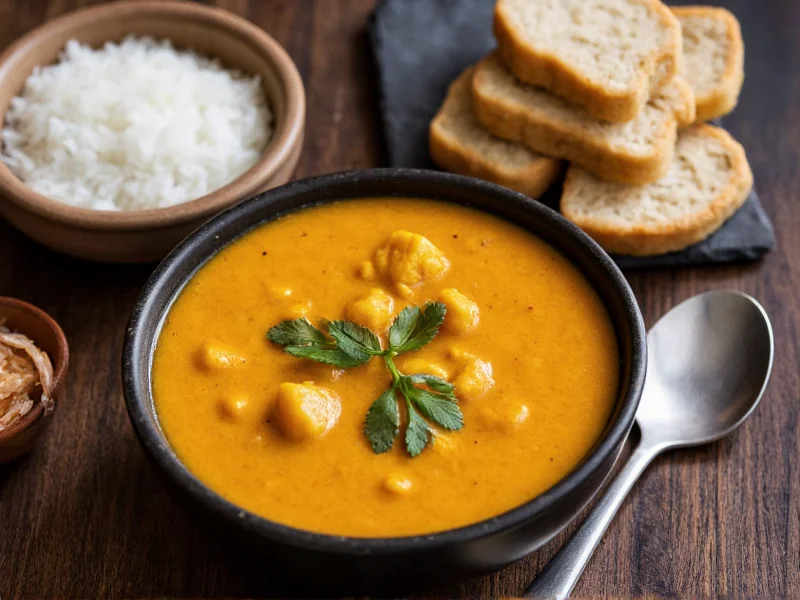
Egusi soup and fufu form one of West Africa's most beloved culinary traditions, particularly cherished in Nigerian cuisine. This dynamic food pairing combines the earthy richness of egusi soup with the comforting texture of fufu, creating a complete meal that nourishes both body and cultural identity. Understanding the proper preparation, cultural context, and nutritional profile of these dishes reveals why they've sustained popularity for generations across the continent and throughout the diaspora.
The Cultural Significance of Egusi Soup and Fufu
Egusi soup traces its origins to the Yoruba people of Nigeria, though it has become a staple across many West African cultures with regional variations. The term "egusi" refers to the seeds of certain melon varieties, not the melon flesh itself. In traditional settings, preparing egusi soup and fufu represents more than just cooking—it's a social activity that often brings families and communities together. Special occasions, celebrations, and family gatherings frequently feature this dish as a centerpiece, symbolizing hospitality and cultural pride.
The preparation methods have been passed down through generations, with mothers teaching daughters the precise techniques for achieving the perfect consistency in both the soup and fufu. In many West African communities, the ability to properly prepare egusi soup and fufu signifies culinary skill and cultural knowledge. This traditional Nigerian egusi soup recipe maintains its importance not just as sustenance but as a living connection to ancestral practices.
Authentic Ingredients for Traditional Egusi Soup
Creating authentic egusi soup requires specific ingredients that contribute to its distinctive flavor profile. The foundation is ground egusi seeds, which provide the soup's characteristic nuttiness and thickening properties. Beyond the essential melon seeds, traditional preparation includes:
| Core Ingredients | Traditional Additions | Protein Sources |
|---|---|---|
| Ground egusi seeds | Palm oil | Assorted meats (beef, goat) |
| Onions | Bitterleaf or spinach | Smoked fish |
| Peppers ( Scotch bonnet) | Crayfish | Dry fish |
| Locust beans (iru/dawadawa) | Uziza leaves | Stockfish |
The quality of egusi seeds significantly impacts the final dish—freshly ground seeds produce a superior flavor compared to pre-ground versions. Traditional West African egusi soup ingredients work in harmony, with palm oil providing richness, locust beans adding umami depth, and various leafy greens contributing texture and additional nutrients. Many families maintain specific ingredient ratios passed down through generations, creating unique family variations of this beloved dish.
Step-by-Step Preparation of Authentic Egusi Soup
Preparing authentic egusi soup requires attention to technique and timing. Begin by thoroughly washing all meats and fish, then boiling them with onions and seasoning until tender. While the proteins cook, prepare the egusi paste by mixing the ground seeds with a small amount of water to create a smooth consistency.
Heat palm oil in a separate pot until it changes color slightly, then add the egusi paste while stirring constantly to prevent burning. The critical technique for traditional Nigerian egusi soup recipe involves cooking the egusi paste in the oil until it forms a smooth, non-grainy base—this typically takes 5-7 minutes of continuous stirring. Once the paste has cooked, gradually add the protein broth, stirring to incorporate everything smoothly.
Next, incorporate the leafy vegetables, crayfish, and additional seasonings. The soup should simmer for at least 20 minutes to allow flavors to meld. Properly prepared egusi soup has a rich, slightly thick consistency that coats the back of a spoon but remains pourable. The final dish should showcase the nutty flavor of the egusi seeds balanced with the savory elements of the broth and proteins.
Creating Perfect Traditional Fufu
Fufu serves as the perfect accompaniment to egusi soup, functioning as both utensil and food. Traditional preparation involves pounding boiled cassava, plantains, or yams in a mortar with a pestle until achieving a smooth, elastic consistency. Modern adaptations often use pre-packaged fufu flour for convenience, but the traditional method produces superior texture.
To prepare fufu from scratch, boil peeled cassava until tender, then transfer to a mortar while still hot. Pounding requires rhythm and strength—fold the cassava over itself while pounding to eliminate lumps and create uniform texture. The proper technique for preparing fufu involves continuous pounding and folding until the mixture becomes smooth, stretchy, and free of graininess. When done correctly, fufu should pull away cleanly from the mortar without sticking.
For those using fufu flour, mix the powder with hot water while stirring vigorously, then continue kneading until achieving the proper smooth, pliable consistency. The ideal fufu has a slightly sour aroma from natural fermentation and a texture that's firm enough to hold its shape but soft enough to easily tear for dipping into soup.
How to Properly Eat Egusi Soup with Fufu
The traditional method of eating egusi soup with fufu involves specific techniques that enhance the experience. Begin by washing your hands thoroughly, as this meal is traditionally eaten with the fingers. Take a small portion of fufu and roll it into a ball using your fingers. Create an indentation in the ball with your thumb, then use this scoop to gather egusi soup.
The proper technique involves pinching off a small piece of fufu, dipping it into the soup, and then gently squeezing the fufu in your fingers to allow the soup to penetrate before eating. This method ensures each bite contains the perfect balance of both components. Many West Africans consider it improper to return uneaten fufu to the main serving dish once it's been handled—a sign of respect for the food and those sharing the meal.
Understanding how to eat fufu with egusi soup properly connects diners to centuries of cultural tradition. The combination works perfectly because the mild, slightly sour fufu balances the rich, complex flavors of the soup, creating a harmonious eating experience that satisfies both texture and taste preferences.
Nutritional Benefits of Egusi Soup and Fufu
This traditional pairing offers impressive nutritional benefits that contribute to its enduring popularity. Egusi seeds are exceptionally rich in protein (about 30% by weight) and healthy fats, including essential fatty acids. They also provide significant amounts of magnesium, potassium, and B vitamins. The various meats and fish commonly added to egusi soup boost the protein content and provide essential amino acids and omega-3 fatty acids.
Fufu, primarily made from cassava, offers complex carbohydrates that provide sustained energy release. While lower in protein than the soup, it contributes dietary fiber (especially when made with whole cassava) and essential minerals like calcium and iron. The combination creates a nutritionally balanced meal that provides:
- Complete protein profile from complementary plant and animal sources
- Healthy fats from egusi seeds and palm oil
- Complex carbohydrates for sustained energy
- Essential vitamins and minerals from diverse ingredients
- Dietary fiber from leafy vegetables and whole food ingredients
The nutritional benefits of egusi melon seeds particularly stand out—they contain all nine essential amino acids, making them a complete protein source. This traditional meal represents a naturally balanced diet that has sustained West African communities for centuries, demonstrating the wisdom of indigenous food systems.
Regional Variations Across West Africa
While originating in Nigeria, egusi soup appears in various forms throughout West Africa, reflecting local ingredients and preferences. In Ghana, egusi soup often includes ground peanuts for added richness and a slightly different flavor profile. Ghanaian variations might use more tomatoes and less palm oil than Nigerian versions. The Ewe people of Ghana and Togo prepare a version called "agushi" that incorporates local leafy greens like kontomire (cocoyam leaves).
In Benin and Togo, egusi soup frequently includes okra for additional thickening and texture. Some coastal communities incorporate more seafood into their egusi preparations, reflecting local availability. The Yoruba people of Nigeria typically prepare a richer, oilier version with prominent palm oil flavor, while Igbo variations might feature more leafy greens like bitterleaf.
These regional variations of egusi soup across West Africa demonstrate the adaptability of traditional recipes while maintaining core elements. Each community preserves the essence of the dish while incorporating locally available ingredients, creating a diverse culinary landscape centered around this beloved soup and fufu combination.
Common Mistakes to Avoid When Preparing Egusi Soup and Fufu
Many beginners encounter challenges when attempting authentic egusi soup and fufu preparation. The most frequent error involves improperly cooking the egusi paste, which can result in a gritty texture or bitter flavor. Always cook the egusi in hot oil for several minutes before adding liquid—this crucial step develops flavor and prevents graininess. Adding cold water to hot egusi paste can cause it to seize up and become lumpy.
For fufu, insufficient pounding or kneading creates a grainy, uneven texture. Traditional preparation requires significant physical effort to achieve the proper smooth, elastic consistency. When using fufu flour, many people use water that's not hot enough, resulting in lumps that won't dissolve. The water must be near boiling when mixed with the flour.
Other common mistakes include:
- Using stale or low-quality egusi seeds that have lost their flavor
- Overcooking leafy vegetables until they lose texture and nutrients
- Adding all ingredients at once rather than building flavors in sequence
- Using too much palm oil, which can overwhelm other flavors
- Serving fufu that's too cold or has been sitting too long (it hardens as it cools)
Avoiding these pitfalls ensures an authentic experience that honors the culinary tradition while delivering exceptional flavor and texture.
Preserving Tradition in Modern Kitchens
As West African communities spread globally, preserving the authenticity of egusi soup and fufu while adapting to modern realities has become important. Many diaspora communities have developed creative solutions for maintaining tradition, such as using food processors to approximate the texture of pounded fufu or finding specialty stores that carry authentic ingredients.
The cultural significance of egusi soup in Nigeria and neighboring countries continues to thrive even as preparation methods evolve. Cooking classes, food blogs, and cultural events help transmit knowledge to new generations. When prepared with respect for tradition and attention to authentic techniques, egusi soup and fufu remain powerful connections to cultural heritage, offering both nourishment and identity in every serving.
Frequently Asked Questions
What exactly are egusi seeds and where can I find them?
Egusi seeds come from certain varieties of melons in the Cucurbitaceae family, primarily Citrullus lanatus. They're white, flat seeds that must be dried and ground before use. You can find them in African grocery stores, often labeled as "egusi," "agushi," or "melon seeds." Some health food stores and online retailers also carry them, though ensure they're specifically for culinary use rather than planting.
Can I make egusi soup without palm oil for a healthier version?
While palm oil contributes to authentic flavor and color, you can substitute with vegetable oil or coconut oil for a different profile. However, completely omitting oil will significantly alter texture and flavor, as the oil helps cook the egusi paste properly. For a healthier compromise, use half the recommended palm oil amount and supplement with a neutral oil. The traditional Nigerian egusi soup recipe relies on palm oil for its distinctive character, but adaptations can still yield delicious results.
How do I store leftover egusi soup and fufu properly?
Store egusi soup in an airtight container in the refrigerator for up to 4 days or freeze for up to 3 months. Reheat gently on the stove, adding a little water if needed. Fresh fufu doesn't store well—it hardens quickly as it cools. If you must store it, keep in water in the refrigerator for up to 24 hours, but freshly made fufu always provides the best texture. For longer storage, freeze uncooked fufu dough and cook when needed.
Is egusi soup gluten-free and suitable for special diets?
Authentic egusi soup and fufu are naturally gluten-free, as they use egusi seeds and cassava (or plantains/yams) which don't contain gluten. They're also typically dairy-free and can be adapted for various dietary needs. For vegan versions, omit animal proteins and use vegetable broth. The nutritional benefits of egusi melon seeds make this dish particularly valuable for plant-based diets, providing complete protein and healthy fats without animal products.
What are common side dishes served with egusi soup and fufu?
While egusi soup and fufu form a complete meal on their own, they're sometimes accompanied by additional elements. Common pairings include fried plantains (dodo), moi moi (steamed bean pudding), or akara (bean cakes). In some regions, a simple side salad of tomatoes and onions provides a refreshing contrast to the rich soup. The cultural significance of egusi soup in Nigeria means it's often the centerpiece of a meal, with other dishes playing supporting roles to complement rather than compete with its complex flavors.




 浙公网安备
33010002000092号
浙公网安备
33010002000092号 浙B2-20120091-4