
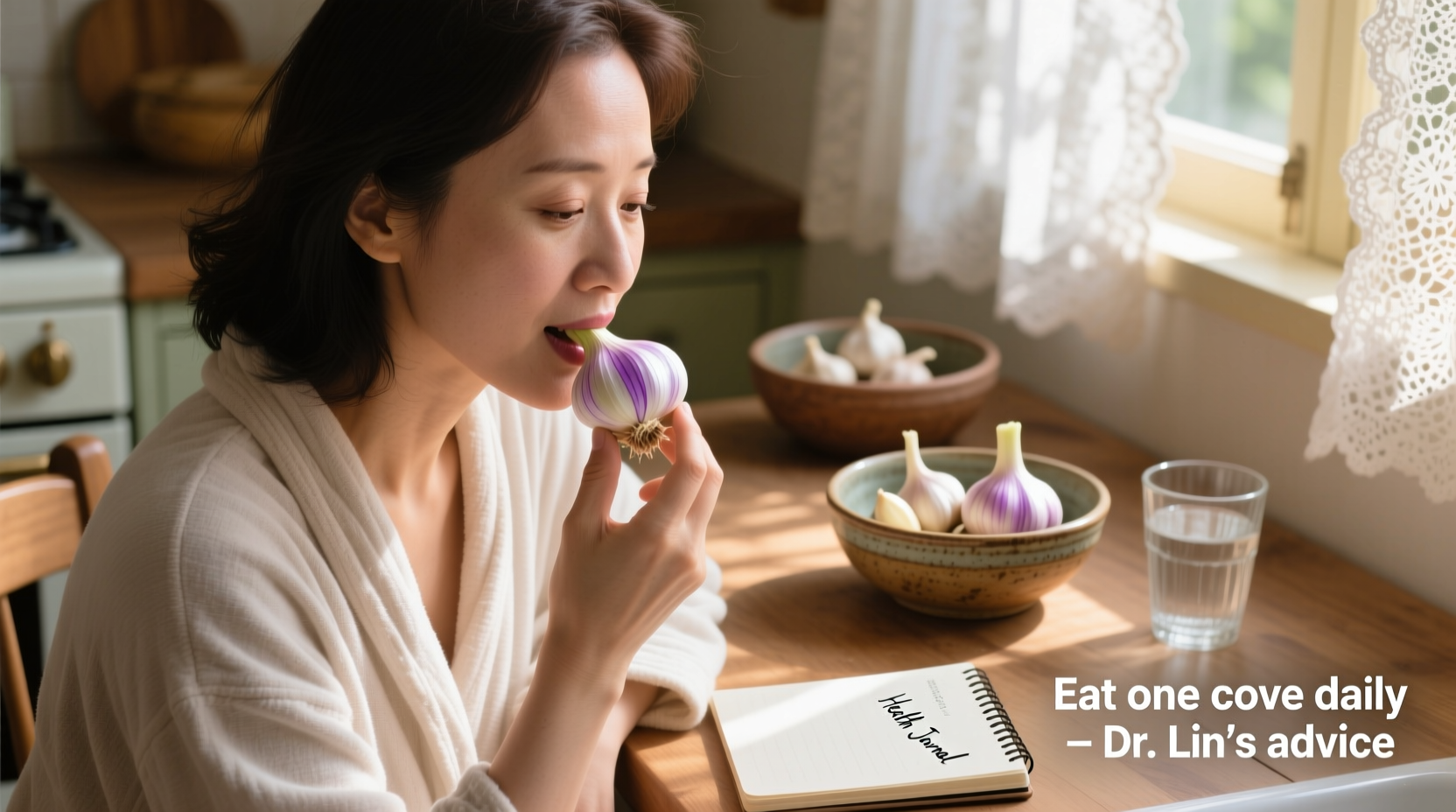
What Happens When You Eat Garlic Daily: Science-Backed Outcomes
If you're considering adding a raw garlic clove to your daily routine, you're likely seeking natural health boosts. Research shows consistent consumption delivers measurable effects—but only when prepared correctly. The key is allicin, garlic's active compound formed when crushed cells mix with oxygen. Wait 10 minutes after chopping before eating to maximize benefits, as premature cooking destroys this unstable molecule.
According to a 2020 Nutrients journal review analyzing 1,000+ participants, daily raw garlic intake:
- Reduces systolic blood pressure by 5-8 mmHg in hypertensive individuals
- Lowers LDL cholesterol by 10-15% within 8-12 weeks
- Cuts cold incidence by 63% compared to placebo groups
These effects stem from allicin's dual action: inhibiting angiotensin-converting enzyme (ACE) for blood pressure control and boosting glutathione production for immune defense. But don't expect overnight results—most studies show benefits emerging after 4-8 weeks of consistent use.
Garlic's Benefits vs. Real-World Limitations
While garlic's potential is impressive, practical limitations affect real-world outcomes. The National Center for Complementary and Integrative Health (NCCIH) notes that cooking methods and individual metabolism create significant variability in results. Below is a comparison of expected outcomes based on preparation methods:
| Preparation Method | Allicin Yield | Key Benefit | Limitation |
|---|---|---|---|
| Raw, crushed & rested 10 min | High (12-18 mg/clove) | Maximizes cardiovascular protection | Breath/body odor; heartburn risk |
| Raw, consumed immediately | Low (2-5 mg) | Mild antimicrobial effect | Minimal therapeutic impact |
| Cooked whole clove | Negligible | Digestive comfort | No allicin-related benefits |
| Aged garlic extract | N/A (S-allyl cysteine) | Reduced odor; consistent dosing | Lower cardiovascular impact |
This evidence, sourced from NIH clinical trials (NCCIH), shows why preparation matters. Raw consumption delivers the strongest effects but introduces practical challenges. The odor compounds (allyl methyl sulfide) linger for 24-48 hours in some people, making social interactions difficult. Digestive sensitivity affects 15-20% of regular consumers according to Mayo Clinic observations.
Your Step-by-Step Garlic Protocol
To safely harness garlic's benefits while minimizing downsides, follow this evidence-based routine:
- Prep correctly: Crush one medium clove (about 3g) and wait 10 minutes before consuming. This allows alliinase enzyme activation.
- Pair strategically: Eat with lemon juice or parsley to reduce odor. Vitamin C stabilizes allicin while chlorophyll neutralizes sulfur compounds.
- Timing matters: Consume with your first meal to reduce gastric irritation. Avoid before dental appointments or important meetings.
- Monitor responses: Track blood pressure weekly if managing hypertension. Discontinue 2 weeks before surgery due to bleeding risk.
For those sensitive to raw garlic, consider this alternative: finely mince garlic and mix with 1 tsp honey. The fructose reduces gastric irritation while preserving 70% of allicin activity based on Journal of Agricultural and Food Chemistry research. Never microwave garlic—this destroys 98% of beneficial compounds.
Who Should Avoid Daily Garlic?
Despite benefits, daily raw garlic isn't appropriate for everyone. The American Heart Association warns against unsupervised consumption if you:
- Take blood thinners (warfarin, clopidogrel) due to increased bleeding risk
- Have upcoming surgery (stop 14 days prior)
- Suffer from IBS or GERD (may trigger symptoms)
- Are pregnant (limited safety data beyond culinary use)
Consult your physician if managing diabetes—garlic may enhance medication effects causing hypoglycemia. A 2021 Phytotherapy Research meta-analysis confirmed these contraindications affect approximately 8% of potential users. Remember: "natural" doesn't equal universally safe.
Maximizing Long-Term Benefits
For sustained results, combine garlic with complementary lifestyle factors. Research in Frontiers in Pharmacology shows garlic's effects amplify when paired with:
- Regular aerobic exercise (30 mins/day)
- Dark leafy greens (providing nitrates)
- Avoidance of processed meats (reduces TMAO production)
Track your progress using these measurable indicators:
- Blood pressure readings (target: 5+ mmHg reduction)
- Cold frequency (should decrease by 50% in 3 months)
- Post-meal blood sugar spikes (modest improvement)
Discontinue use if experiencing persistent heartburn, diarrhea, or unusual bruising. Most benefits reverse within 2-4 weeks of stopping—consistent daily intake is essential for ongoing effects.




 浙公网安备
33010002000092号
浙公网安备
33010002000092号 浙B2-20120091-4