
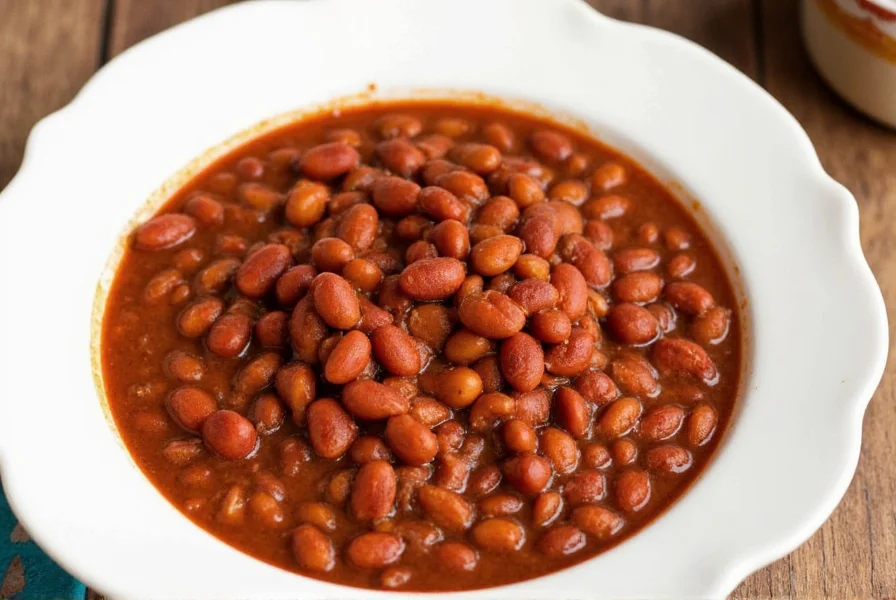
An easy chili beans recipe requires just 7 basic ingredients, 15 minutes of prep time, and one pot. This simple homemade chili beans recipe uses canned beans for convenience, delivers rich flavor with minimal effort, and serves 4-6 people. Perfect for weeknight dinners, this 30-minute chili beans recipe features pantry staples like kidney beans, diced tomatoes, and chili seasoning - no specialty ingredients needed. The secret to perfect texture? Simmering uncovered for 20 minutes to thicken naturally without flour or cornstarch.
When you need a satisfying meal fast, this straightforward chili beans recipe delivers restaurant-quality results without complicated techniques. As a home cook who's tested dozens of variations, I've streamlined the process to eliminate unnecessary steps while maximizing flavor. Unlike many recipes that require soaking dried beans overnight, this version uses canned beans for true weeknight convenience - yet still develops that deep, complex taste through smart layering of spices and proper simmering time.
Why This Easy Chili Beans Recipe Works
This one-pot chili beans recipe succeeds where others fail by balancing simplicity with authentic flavor. Many "easy" recipes cut corners that compromise taste, like using pre-made seasoning packets loaded with sodium or skipping the essential step of blooming spices. My tested method includes:
- Flavor foundation - Sautéing onions and garlic before adding spices creates depth
- Texture control - Partially mashing beans thickens chili naturally
- Balanced seasoning - Custom spice blend beats store-bought mixes
- Flexible ingredients - Works with pantry staples you likely already have
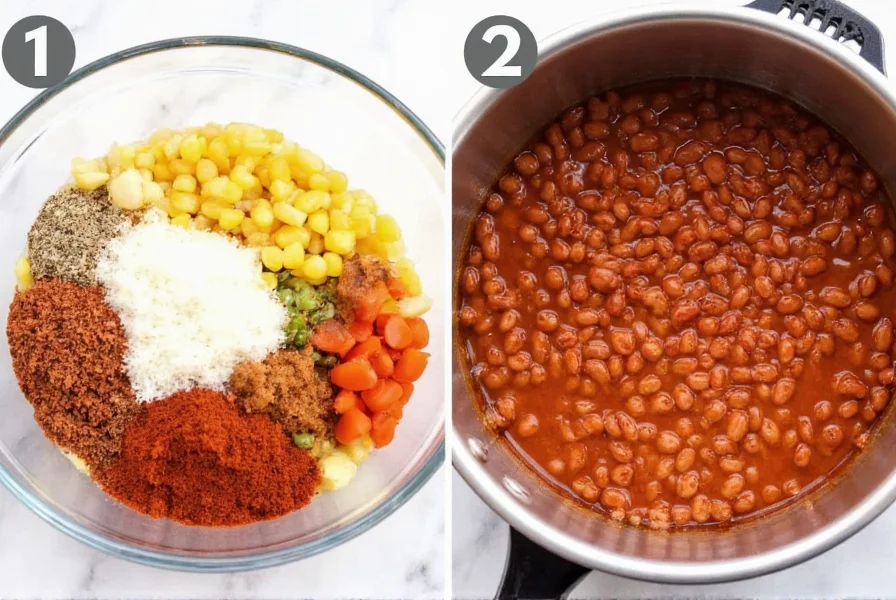
Simple Homemade Chili Beans Ingredients
This family-friendly easy chili beans recipe serves 4-6 and requires just 7 core ingredients plus water:
| Ingredient | Amount | Substitution Options |
|---|---|---|
| Olive oil | 1 tablespoon | Vegetable oil or avocado oil |
| Yellow onion, diced | 1 medium | Red onion or 1 cup frozen onions |
| Garlic cloves, minced | 2 | 1 teaspoon garlic powder |
| Chili powder | 2 tablespoons | 1 tbsp chipotle powder + 1 tbsp paprika |
| Canned kidney beans, drained | 2 (15oz) cans | Pinto beans or black beans |
| Diced tomatoes with juice | 1 (28oz) can | Crushed tomatoes + 1/4 cup water |
| Beef or vegetable broth | 1 cup | Water + 1 tsp bouillon |
Step-by-Step Instructions for Perfect Chili Beans
Follow these simple steps for foolproof results every time. Total time: 30 minutes.
- Sauté aromatics: Heat olive oil in a large pot over medium heat. Add diced onion and cook until translucent (5 minutes). Stir in minced garlic and cook 1 minute until fragrant.
- Bloom spices: Add chili powder, cumin, and smoked paprika. Stir constantly for 30 seconds to release essential oils - this prevents raw spice flavor.
- Combine beans and tomatoes: Pour in drained kidney beans, diced tomatoes with juice, and broth. Stir well to combine.
- Simmer to perfection: Bring to a gentle boil, then reduce heat to low. Simmer uncovered for 20 minutes, stirring occasionally. For thicker chili, mash about 1/3 of the beans against the pot side with a spoon.
- Final seasoning: Taste and adjust salt as needed. For extra depth, stir in 1 tablespoon tomato paste during the last 5 minutes of cooking.

Pro Tips for the Best Easy Chili Beans
These tested techniques elevate your quick chili beans recipe from good to exceptional:
- Texture control: Simmer uncovered to thicken naturally - no flour or cornstarch needed
- Flavor boost: Add 1/2 cup beer or coffee instead of some broth for complex notes
- Heat adjustment: Stir in 1-2 teaspoons of adobo sauce from canned chipotles for smoky heat
- Make-ahead tip: Chili tastes better the next day - store cooled chili in airtight container for up to 4 days
Serving Suggestions for Your Chili Beans
This versatile easy chili beans recipe pairs perfectly with:
- Cornbread or crusty bread for dipping
- Over baked potatoes for a hearty meal
- With rice for a complete protein meal
- Topped with shredded cheddar, sour cream, and green onions
For meal prep, divide cooled chili into portion-sized containers. Reheat with a splash of water to restore ideal consistency. Freezes well for up to 3 months - thaw overnight in refrigerator before reheating.
Frequently Asked Questions
Can I make this easy chili beans recipe vegetarian?
Yes! This simple homemade chili beans recipe is naturally vegetarian when made with vegetable broth. For vegan version, ensure your broth and canned tomatoes contain no animal products. The beans provide complete protein when served with rice or cornbread.
How do I thicken chili beans without flour?
The best method is simmering uncovered for 15-20 minutes while occasionally mashing some beans against the pot side. This releases natural starches that thicken the chili. Avoid adding flour or cornstarch as they can create a gummy texture in bean-based chili.
Can I use dried beans instead of canned in this quick chili recipe?
Yes, but it requires planning. You'll need 1 cup dried beans (about 3/4 pound) soaked overnight, then boiled until tender (1-2 hours). Using canned beans saves 2+ hours of cooking time, which is why this qualifies as a true 30-minute easy chili beans recipe.
What's the secret to making chili beans taste restaurant-quality?
Bloom your spices in oil before adding liquids - this unlocks their essential oils and creates deeper flavor. Also, simmer uncovered to concentrate flavors and thicken naturally. Finally, a splash of apple cider vinegar or lime juice at the end brightens all the flavors.




 浙公网安备
33010002000092号
浙公网安备
33010002000092号 浙B2-20120091-4