
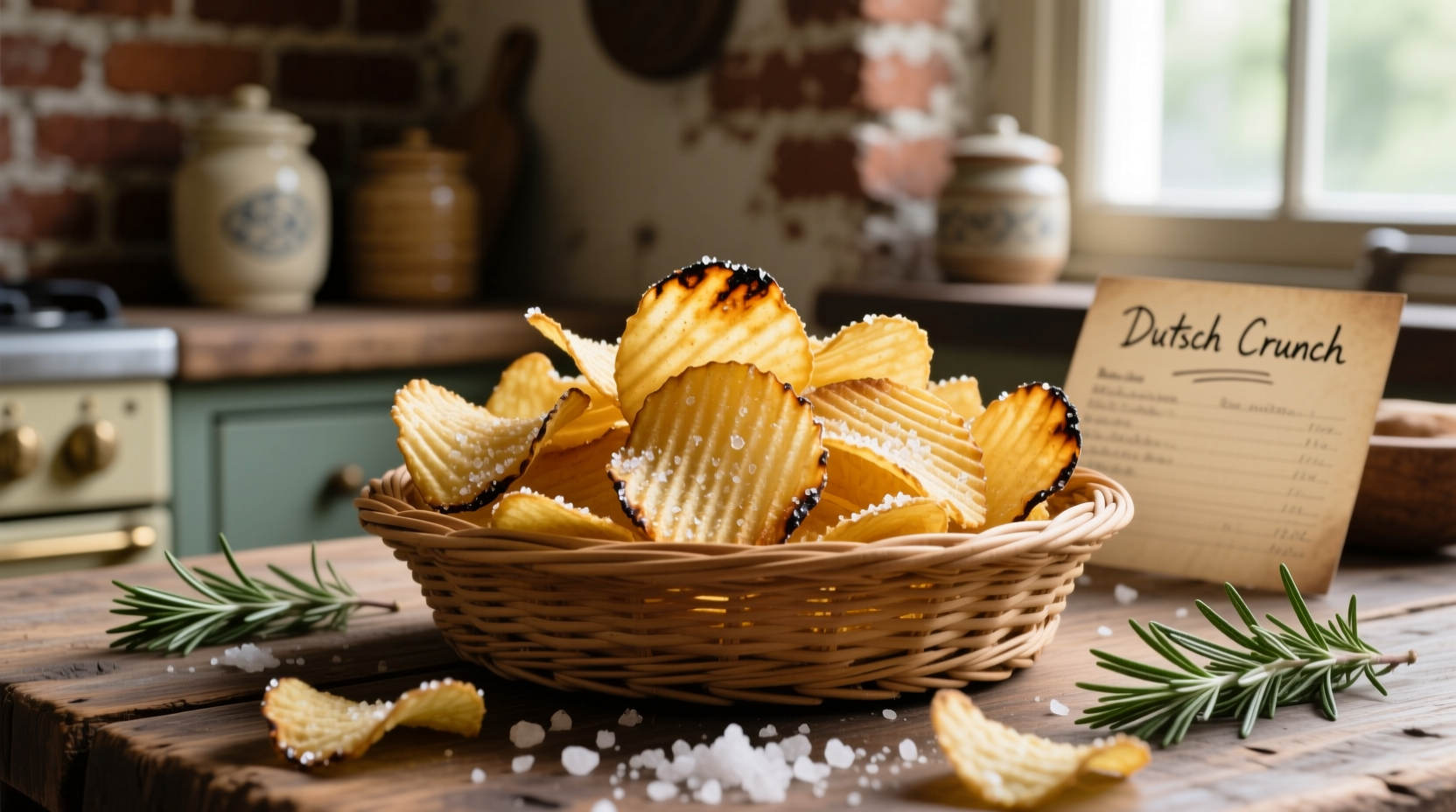
Ever wondered why Dutch Crunch potato chips deliver that uniquely satisfying crunch you can't find in regular potato chips? This regional specialty has captivated snack lovers for decades with its distinctive texture and robust flavor profile. Unlike standard kettle-cooked varieties, Dutch Crunch chips undergo a specialized preparation method that creates their characteristic cracked surface and substantial bite.
The Origins of Dutch Crunch: A Regional Snack Story
While potato chips date back to 1853 with George Crum's creation in New York, Dutch Crunch emerged much later as a Pacific Northwest innovation. The style gained popularity through regional snack manufacturers in Oregon and Washington during the 1970s, though the exact origin remains debated among snack historians.
Evolution of Dutch Crunch Potato Chips
- 1970s: Regional snack companies in the Pacific Northwest begin producing thick-cut, heavily ridged potato chips
- Early 1980s: "Dutch Crunch" name becomes associated with this style, though no direct Dutch origin exists
- Mid-1990s: Production techniques standardized, creating consistent cracked appearance during frying
- 2000s: Regional popularity spreads beyond Pacific Northwest through specialty grocery channels
- Present Day: Recognized as a distinctive chip style with dedicated following among snack enthusiasts
What Makes Dutch Crunch Different: Texture and Production
The magic of Dutch Crunch lies in its manufacturing process. Unlike standard chips that use uniform slicing, Dutch Crunch potatoes undergo a specialized preparation:
- Thicker slicing (approximately 1/8 inch versus 1/16 inch for regular chips)
- Aggressive ridging that creates deep grooves in the potato slices
- Specific frying temperature that causes the ridges to crack open during cooking
- Extended drying time before frying to reduce surface moisture
| Characteristic | Dutch Crunch Chips | Regular Kettle Chips | Standard Thin Chips |
|---|---|---|---|
| Thickness | 1/8 inch | 3/32 inch | 1/16 inch |
| Surface Texture | Pronounced cracks and ridges | Moderate ridges | Smooth or light ripple |
| Crispness Level | Extra crunchy, substantial bite | Crunchy with some flexibility | Light and delicate crunch |
| Flavor Absorption | High (seasoning settles in cracks) | Moderate | Lower (less surface area) |
Why the Name "Dutch"?
Despite the "Dutch" in the name, these chips have no connection to the Netherlands. Food historians believe the name likely emerged from regional snack company marketing in the Pacific Northwest. The "crunch" portion accurately describes the exceptional crispness that distinguishes these chips from other varieties.
According to snack industry records from the Snack Food Industry Association, the term "Dutch" was commonly used in American snack marketing during the 1970s-1980s to suggest traditional, wholesome preparation methods, though often with no actual European connection.
Where Dutch Crunch Chips Shine (and Where They Don't)
Dutch Crunch chips excel in specific snack scenarios but have limitations:
- Perfect for: Bold seasonings that settle into the cracks, dipping with thick salsas or queso, satisfying substantial crunch cravings
- Less ideal for: Delicate flavor pairings, light snacking occasions, or when a subtle potato flavor is preferred
- Regional availability: Most consistently found in Pacific Northwest grocery stores, though specialty food retailers nationwide now carry them
- Seasoning compatibility: Works best with robust flavors like salt & vinegar, jalapeño, or barbecue rather than delicate herbs
How to Identify Authentic Dutch Crunch Chips
When shopping for genuine Dutch Crunch style chips, look for these telltale signs:
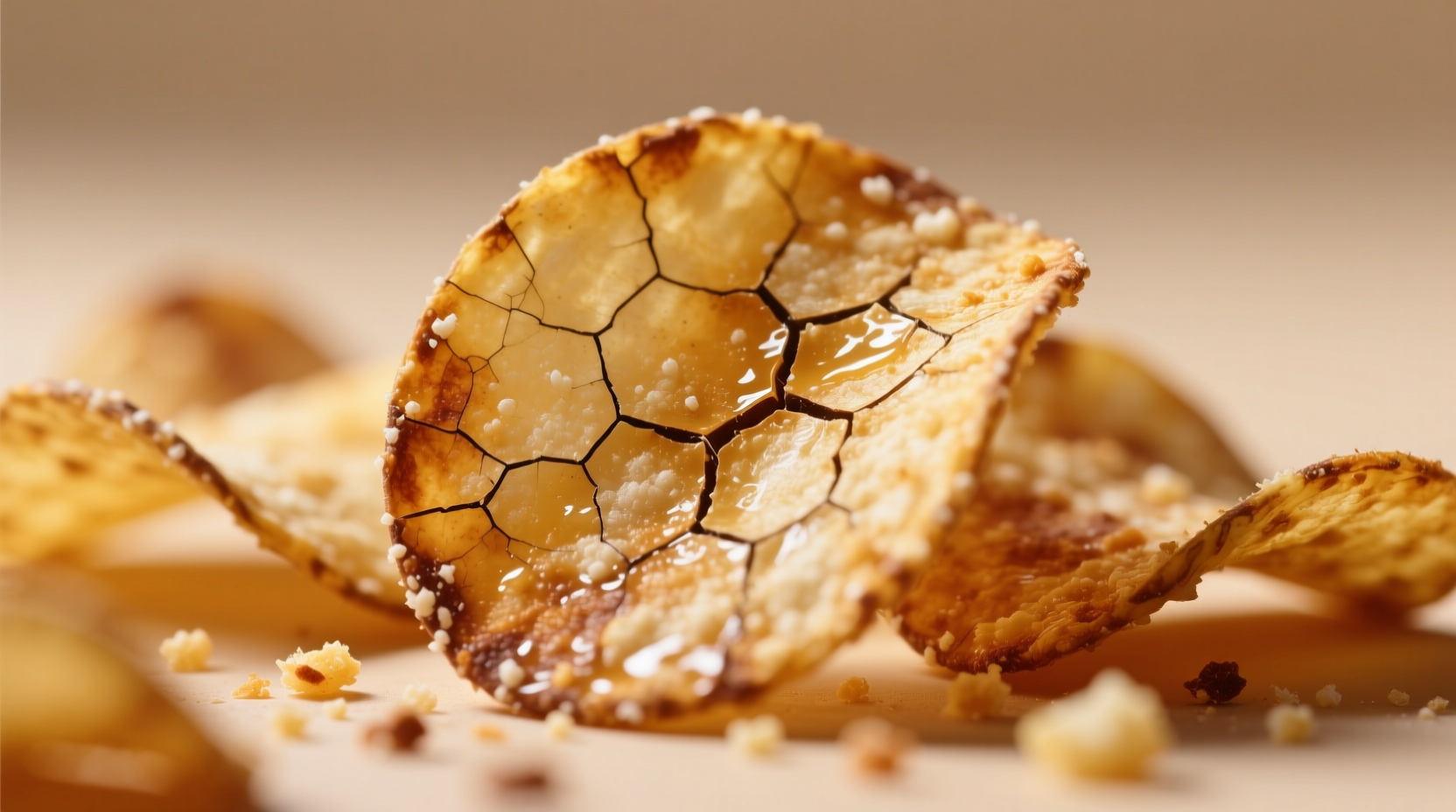
- Visible deep cracks running through the chip surface
- Substantial thickness when held between fingers
- Noticeable resistance when biting (distinct "crunch" sound)
- Seasoning visibly settled into the crevices
- Packaging that specifically mentions "Dutch Crunch" style
Many manufacturers have attempted to replicate the Dutch Crunch style without achieving the authentic texture. True Dutch Crunch maintains structural integrity even when heavily seasoned, unlike imitation versions that may become soggy.
Finding Dutch Crunch Chips Today
While originally a Pacific Northwest specialty, Dutch Crunch chips have gained wider distribution. You'll most reliably find them at:
- Regional grocery chains in Oregon, Washington, and Idaho
- Specialty food stores nationwide
- Online retailers focusing on regional American snacks
- Certain convenience store chains in the western United States
The Specialty Food Association reports growing interest in regional snack styles like Dutch Crunch, with sales increasing approximately 12% annually as snack enthusiasts seek distinctive textures and flavors.
Why Dutch Crunch Endures: The Science of Satisfaction
Food scientists at Cornell University's Food Texture Laboratory have studied why certain chip textures prove more satisfying. Their research, published in the Journal of Sensory Studies, found that chips with pronounced surface variations like Dutch Crunch trigger more intense sensory responses. The deep cracks create multiple fracture points that produce a more complex auditory experience (that distinctive crunch sound) while also providing varied texture sensations during chewing.
This multisensory experience explains Dutch Crunch's enduring popularity despite the crowded snack market. The chips deliver what food researchers call "textural contrast"—simultaneously crispy yet substantial, creating a more engaging eating experience than uniform-textured alternatives.




 浙公网安备
33010002000092号
浙公网安备
33010002000092号 浙B2-20120091-4