
Duck potato plant (Sagittaria latifolia), also known as arrowhead or wapato, is a perennial aquatic plant native to North America with edible tubers that grow in shallow freshwater habitats. The plant features distinctive arrow-shaped leaves, white three-petaled flowers, and produces starchy corms that Native American tribes traditionally harvested as a vital food source. Duck potato thrives in USDA zones 3-10, requires 2-12 inches of water depth, and offers both ecological benefits and culinary value when properly identified and harvested.
What Makes Duck Potato Plant Worth Knowing About
Discover why this unassuming aquatic plant has sustained communities for centuries. Duck potato (Sagittaria latifolia) isn't actually related to potatoes but earned its name from waterfowl that feed on its nutritious tubers. These crisp, white corms taste like a cross between coconut and potato when raw, transforming into a sweet, nutty delight when cooked. For gardeners with water features, foragers seeking wild edibles, or conservationists restoring wetlands, understanding this versatile plant unlocks multiple benefits. Unlike many wild edibles, duck potato remains abundant across most of North America, making it a reliable resource when properly identified.
Spotting Duck Potato: Visual Identification Guide
Correct identification prevents dangerous confusion with toxic look-alikes. Duck potato's most distinctive feature is its arrowhead-shaped leaves that emerge above water. These leaves typically measure 4-10 inches long with pointed lobes at the base. During summer, the plant produces delicate white flowers with three rounded petals on separate male and female clusters. The reproductive structure forms a distinctive star-shaped seed head that persists through fall.
When searching for edible tubers, look for plants growing in 2-12 inches of water along pond edges or slow-moving streams. The tubers grow on rhizomes beneath the soil, usually 2-6 inches deep. Mature plants reach 2-3 feet in height, with flowering stems rising above the water surface. Remember that young leaves resemble those of toxic water hemlock, making flower and seed identification crucial for safe foraging.
| Feature | Duck Potato (Sagittaria latifolia) | Water Hemlock (Toxic Look-alike) |
|---|---|---|
| Leaves | Arrow-shaped, smooth edges, emerge above water | Fern-like, toothed edges, compound leaves |
| Flowers | White, 3 petals, clustered on separate male/female stems | Small white flowers in umbrella-shaped clusters |
| Stem | Solid, smooth, triangular cross-section | Hollow, often purple-spotted, smooth |
| Tubers | Round to oval, white flesh, nutty flavor | Not applicable (entire plant highly toxic) |
Where Duck Potato Thrives: Habitat Requirements
Duck potato naturally grows in shallow freshwater environments across North America, from southern Canada through most of the United States to Mexico. The plant prefers still or slow-moving water with depths between 2-12 inches, making it perfect for pond margins, lake edges, and slow streams. It tolerates a wide range of soil types but establishes best in nutrient-rich muck or clay substrates.
For gardeners considering cultivation, duck potato adapts to USDA hardiness zones 3-10. The plant enters dormancy during winter, with tubers surviving freezing temperatures underground. In spring, new shoots emerge as water temperatures warm. While it grows wild in full sun to partial shade, maximum tuber production occurs with at least 6 hours of direct sunlight daily. The plant spreads through both rhizomes and seeds, potentially becoming vigorous in ideal conditions.
Edible Treasure: Harvesting and Preparing Duck Potato
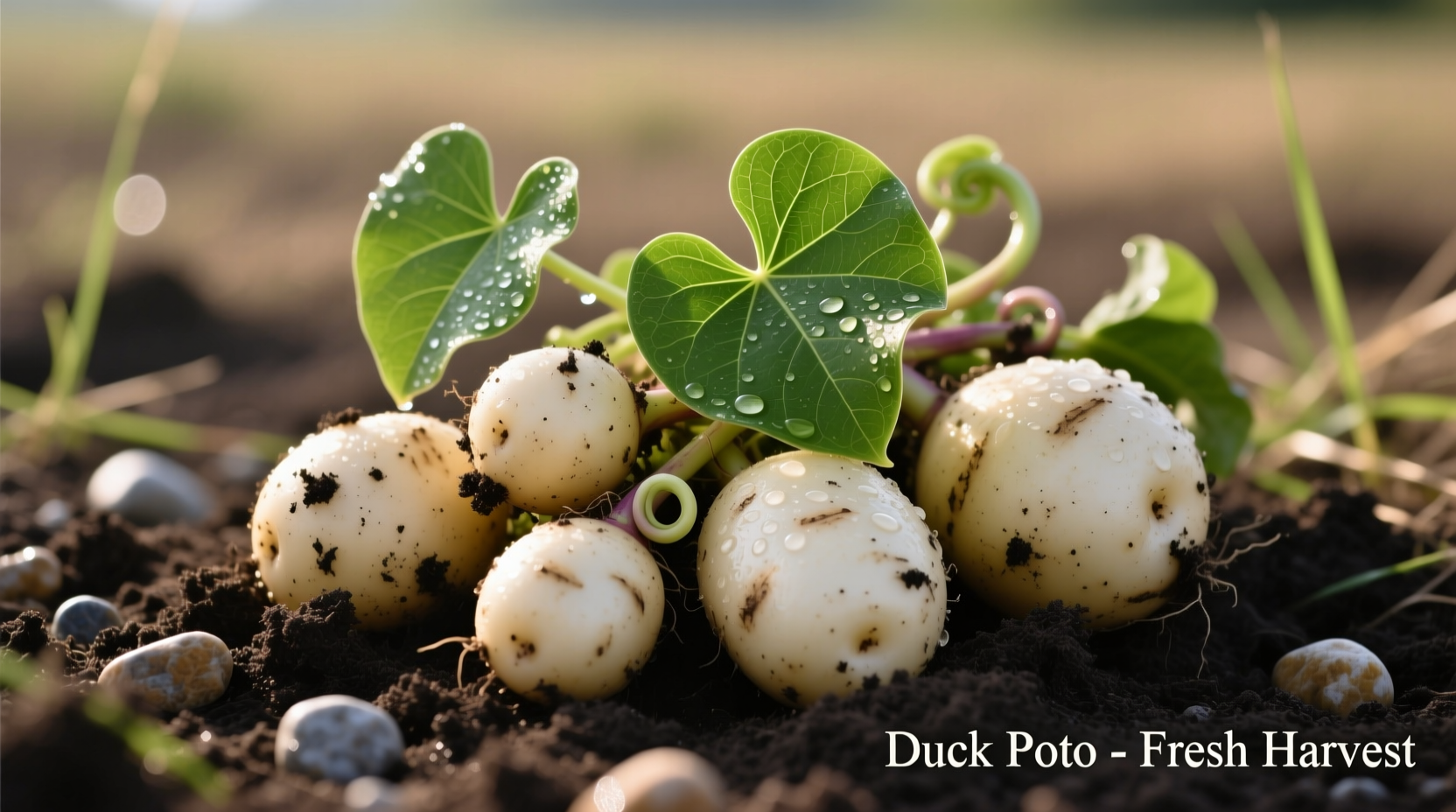
The true value of duck potato lies beneath the waterline—in its edible tubers. These corms develop in late summer through fall, reaching optimal size by September in most regions. Traditional harvesters would wade through shallow waters, using their feet to loosen the soil and bring tubers to the surface. Modern foragers typically use a small garden fork to carefully unearth the corms without damaging them.
Harvesting requires precise timing—too early yields small tubers, while waiting until after the first frost produces the sweetest flavor as starches convert to sugars. The tubers range from marble-sized to golf ball-sized, with larger specimens found on more mature plants. After harvesting, scrub the tubers clean and remove any dark spots. They can be eaten raw for a crisp, slightly sweet crunch, but most prefer them cooked. Boiling for 15-20 minutes produces a texture similar to potatoes with a distinctive nutty flavor. Roasting or frying brings out their natural sweetness, making them excellent additions to stews or as a standalone side dish.
Centuries of Sustenance: Historical and Cultural Significance
Duck potato's importance extends far beyond its nutritional value. Native American tribes across North America relied on wapato (as it was traditionally called) as a staple food source. Historical records from the Lewis and Clark expedition document tribes trading harvested tubers across vast distances. The plant's scientific name, Sagittaria, references the arrowhead shape of its leaves, which some tribes used as emergency fletching material.
The Wapato Historical Timeline reveals its enduring importance:
- Pre-1500s: Native American tribes across North America cultivate and harvest duck potato as a primary carbohydrate source
- 1805: Lewis and Clark expedition records extensive wapato fields in the Pacific Northwest, noting tribes harvesting tubers using special digging sticks
- 1850s: European settlers adopt duck potato cultivation in wetland areas of the American Midwest
- 1930s: Agricultural research begins documenting nutritional composition of Sagittaria species
- Present day: Conservation efforts focus on restoring native duck potato populations in wetland restoration projects
According to research documented by the USDA Agricultural Research Service, duck potato tubers contain approximately 25% starch, 2% protein, and valuable minerals including potassium and magnesium. This nutritional profile made them an essential survival food during lean winter months.
Growing Duck Potato in Your Water Garden
Adding duck potato to your water feature creates both beauty and functionality. Start with either tubers or potted plants from reputable native plant nurseries—never harvest wild specimens from protected areas. Plant tubers 2-4 inches deep in heavy clay or muck soil, spacing them 12-18 inches apart. Container growing works well for controlling spread; use a wide, shallow container filled with aquatic planting media.
Key cultivation tips:
- Water depth should remain between 2-12 inches throughout the growing season
- Fertilize sparingly with aquatic plant tablets in spring
- Divide established clumps every 2-3 years to maintain vigor
- Monitor for excessive spread in small water features
- Leave some tubers in the ground for next season's growth
While generally pest-free, watch for aphids on emerging leaves and leaf-eating insects. Most problems resolve naturally as the plant matures. In colder climates, the tubers will survive winter freezing if planted deep enough in the water feature's mud.
Ecological Benefits and Conservation Status
Duck potato plays a crucial role in wetland ecosystems beyond its human uses. The dense underwater foliage provides excellent habitat for fish fry and aquatic invertebrates. Waterfowl including ducks, geese, and swans feed directly on the tubers and leaves, explaining the common name. The plant's root system helps stabilize shorelines and filter water pollutants.
According to the USDA Plants Database, Sagittaria latifolia remains widespread and abundant across most of its native range. However, local populations face threats from wetland drainage, invasive species competition, and water pollution. Conservation organizations like the National Wetlands Inventory recognize its importance in habitat restoration projects. When harvesting wild specimens, practice sustainable foraging by taking only what you need and leaving plenty for wildlife and future growth.
Common Misconceptions About Duck Potato
Several myths persist about this valuable plant. First, despite the name, duck potato isn't related to true potatoes (Solanum tuberosum). Second, not all arrowhead species produce edible tubers—some have bitter or unpalatable corms. Third, while generally safe when properly identified, consuming large quantities of raw tubers may cause digestive upset for some individuals.
Perhaps the most dangerous misconception involves confusing duck potato with toxic look-alikes. Water hemlock (Cicuta maculata) grows in similar habitats and has caused fatal poisonings when mistaken for edible plants. Always verify identification through multiple characteristics, especially the distinctive arrow-shaped leaves and three-petaled flowers. When in doubt, consult an experienced forager or use plant identification apps with verified databases.
Frequently Asked Questions
Are duck potato tubers safe to eat raw?
Yes, duck potato tubers are safe to eat raw when properly identified, though some people experience mild digestive discomfort. Raw tubers have a crisp texture and slightly sweet, nutty flavor similar to water chestnuts. For optimal safety, thoroughly wash tubers to remove potential contaminants from the water environment before consumption.
How do I distinguish duck potato from toxic look-alikes?
Focus on three key identifiers: 1) Arrow-shaped leaves with smooth edges (not fern-like like water hemlock), 2) White flowers with exactly three rounded petals arranged in clusters, and 3) Solid stems with triangular cross-sections. Never harvest based on tubers alone—always verify the entire plant structure. When uncertain, consult field guides like the USDA Plants Database or connect with local foraging groups.
When is the best time to harvest duck potato tubers?
The optimal harvest window runs from late summer through early winter, with peak quality after the first frost. Tubers reach full size by September but develop their sweetest flavor after exposure to cold temperatures, which converts starches to sugars. In regions without frost, late October through November yields the largest, most flavorful tubers. Avoid harvesting during spring and early summer when tubers are small and developing.
Can I grow duck potato in a container water garden?
Yes, duck potato grows well in container water gardens. Use a wide, shallow container (at least 12 inches deep) filled with heavy clay soil or aquatic planting mix. Submerge the container in your water feature so the soil remains covered by 2-12 inches of water. Container growing helps control the plant's natural tendency to spread aggressively. Remember to divide container-grown plants every 2-3 years to maintain healthy growth.




 浙公网安备
33010002000092号
浙公网安备
33010002000092号 浙B2-20120091-4