
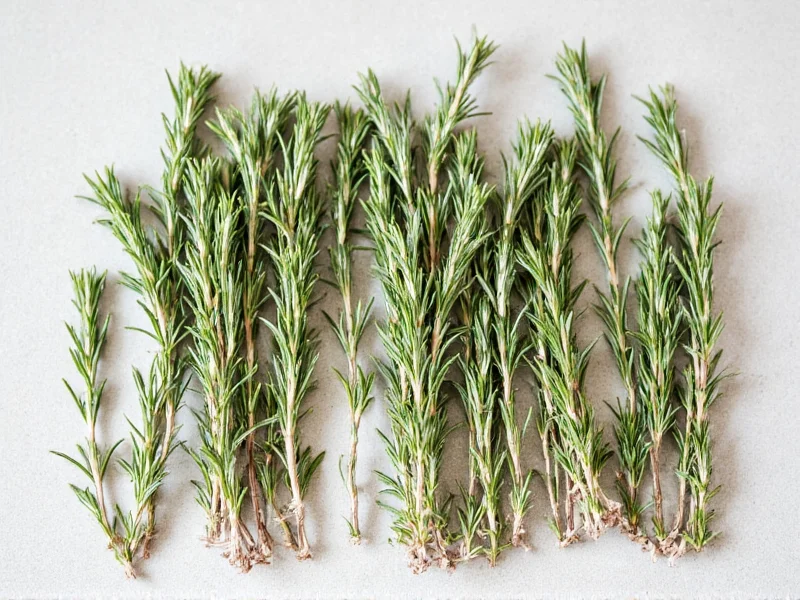
Dried rosemary stands as one of the most versatile dried herbs in any kitchen or household. Unlike its fresh counterpart, dried rosemary concentrates the herb's pine-like flavor and aromatic compounds, making it ideal for specific applications where longevity and potency matter. Understanding proper usage ensures you maximize both flavor and potential benefits.
Understanding Dried vs. Fresh Rosemary
The drying process changes rosemary's chemical composition, concentrating certain compounds while diminishing others. Dried rosemary contains approximately three times the flavor intensity of fresh rosemary due to water removal. This concentration affects both culinary applications and potential health properties.
When considering dried rosemary uses in cooking, remember that its texture becomes brittle and needle-like. Proper crushing before use releases essential oils and prevents unpleasant mouthfeel. The optimal storage method maintains potency for up to one year—keep dried rosemary in an airtight container away from light and heat.
Culinary Applications of Dried Rosemary
Chefs and home cooks value dried rosemary for specific cooking scenarios where fresh isn't practical. The herb's robust flavor withstands long cooking times, making it ideal for dishes requiring extended preparation.
Meat Preparation and Roasting
Dried rosemary for meat recipes creates exceptional flavor profiles. The concentrated oils penetrate meat fibers more effectively than fresh rosemary. Create a dry rub with crushed rosemary, garlic powder, salt, and black pepper for lamb, beef, or poultry. For roast chicken, tuck whole dried sprigs under the skin before cooking to infuse flavor directly into the meat.
Vegetable and Root Crop Enhancement
When preparing roasted vegetables, especially potatoes, carrots, or squash, add dried rosemary early in the cooking process. The herb's oils coat vegetables evenly and withstand high oven temperatures. Toss vegetables with olive oil, 1 teaspoon dried rosemary per pound of vegetables, salt, and roast at 400°F until caramelized.
Bread and Baked Goods Incorporation
Dried rosemary for homemade bread provides consistent flavor distribution. Unlike fresh rosemary, which can create bitter pockets when unevenly distributed, dried rosemary blends uniformly throughout dough. Add 1-2 teaspoons to focaccia, dinner rolls, or artisan bread recipes during the mixing stage.
Slow-Cooked Dishes and Broths
For soups, stews, and braises requiring hours of simmering, dried rosemary maintains its integrity better than fresh. Add ½-1 teaspoon early in the cooking process to allow flavors to fully develop. Remove whole dried sprigs before serving to prevent unpleasant texture.
| Dish Type | Dried Rosemary Amount | When to Add |
|---|---|---|
| Roasted Meats | 1-2 tsp per pound | With dry rub or at start of cooking |
| Roasted Vegetables | 1 tsp per pound | When tossing with oil |
| Bread Dough | 1-2 tsp per loaf | During mixing stage |
| Soups & Stews | ½-1 tsp per quart | First 30 minutes of cooking |
Non-Culinary Dried Rosemary Uses
Beyond the kitchen, dried rosemary serves multiple practical purposes around the home. These dried rosemary household applications leverage the herb's natural properties without chemical additives.
Natural Air Freshening Solutions
Create sachets by filling small muslin bags with dried rosemary sprigs. Place these in closets, drawers, or cars to provide a clean, herbal scent. Unlike synthetic air fresheners, dried rosemary offers a natural alternative that gradually releases fragrance as air moves through the herb.
Dryer Sachets for Laundry
Add dried rosemary to your laundry routine by placing a small sachet in the dryer. The heat releases the herb's essential oils, transferring a subtle fragrance to clothing. This method provides a chemical-free alternative to commercial dryer sheets.
DIY Cleaning Solutions
Dried rosemary contributes to natural cleaning solutions through its antimicrobial properties. Steep 2 tablespoons of dried rosemary in 2 cups of boiling water for 30 minutes, then strain and combine with equal parts vinegar for an all-purpose cleaner. The rosemary helps neutralize odors while adding a pleasant scent.
Health-Related Dried Rosemary Applications
While not a substitute for medical treatment, dried rosemary contains compounds studied for potential health benefits. Understanding these dried rosemary medicinal uses helps incorporate the herb thoughtfully into daily routines.
Antioxidant Properties
Research indicates rosemary contains rosmarinic acid and carnosic acid, compounds with antioxidant properties. When used in cooking, these compounds transfer to food, potentially contributing to the meal's nutritional profile. Note that cooking methods affect retention of these compounds—gentler cooking preserves more than high-heat methods.
Herbal Tea Preparation
To make rosemary tea, steep 1 teaspoon of dried rosemary in 8 ounces of hot water for 5-7 minutes. This preparation offers a mild herbal beverage some associate with digestive support. Always consult healthcare providers before using herbs for health purposes, especially if taking medications.
Proper Storage and Substitution Guidelines
Maximizing dried rosemary uses requires proper storage and understanding substitution ratios. These practices ensure optimal flavor and effectiveness in all applications.
Optimal Storage Conditions
Store dried rosemary in an airtight container away from light, heat, and moisture. Glass jars with tight-sealing lids work best. Properly stored, dried rosemary maintains peak flavor for 6-12 months. Check potency by rubbing a small amount between fingers—if the aroma remains strong, the herb is still viable.
Substitution Ratios Explained
The dried rosemary substitution ratio follows a 1:3 rule—1 teaspoon dried rosemary equals 3 teaspoons fresh. This accounts for the concentration that occurs during drying. When substituting in recipes, add dried rosemary earlier in the cooking process than fresh to allow time for rehydration and flavor release.
Potential Considerations and Limitations
While dried rosemary offers numerous applications, certain considerations ensure safe and effective use. Understanding these limitations prevents potential issues with flavor or safety.
Excessive use can create overpowering bitterness, especially in delicate dishes. Start with smaller amounts and adjust to taste. Some individuals may experience allergic reactions to rosemary, particularly when used medicinally. Pregnant women should consult healthcare providers before consuming rosemary in medicinal amounts.
When using dried rosemary in non-culinary applications, ensure proper ventilation. While generally safe, concentrated essential oils from rosemary can cause respiratory irritation in sensitive individuals when used in enclosed spaces.
Conclusion
Dried rosemary proves remarkably versatile across culinary, household, and wellness applications. Its concentrated flavor makes it ideal for long-cooking dishes, while its natural properties support various non-food uses. By understanding proper storage, substitution ratios, and application techniques, you can maximize the benefits of this accessible herb. Whether enhancing a roast chicken, freshening linens, or exploring its potential health properties, dried rosemary remains a valuable addition to any home.
Frequently Asked Questions
What is the proper dried rosemary to fresh substitution ratio?
The standard substitution ratio is 1 teaspoon of dried rosemary for every 3 teaspoons of fresh rosemary. This accounts for the concentration that occurs during the drying process. When substituting, add dried rosemary earlier in cooking to allow time for rehydration and flavor release.
How long does dried rosemary maintain its potency?
Properly stored in an airtight container away from light and heat, dried rosemary maintains peak flavor for 6-12 months. Check potency by rubbing a small amount between fingers—if the aroma remains strong, the herb is still viable. After one year, the flavor gradually diminishes but remains safe for consumption.
Can dried rosemary be used medicinally?
While dried rosemary contains compounds studied for potential health benefits, it should not replace medical treatment. Some use it in moderation for herbal tea, but consult healthcare providers before using rosemary medicinally, especially if taking medications or during pregnancy. Culinary use is generally considered safe for most people.
What are the best dishes for using dried rosemary?
Dried rosemary works best in long-cooking dishes like roasts, stews, soups, and breads where its concentrated flavor can fully develop. It's particularly effective with meats (especially lamb and chicken), roasted root vegetables, and hearty breads. Avoid using it in delicate dishes or cold preparations where its texture would be noticeable.




 浙公网安备
33010002000092号
浙公网安备
33010002000092号 浙B2-20120091-4