
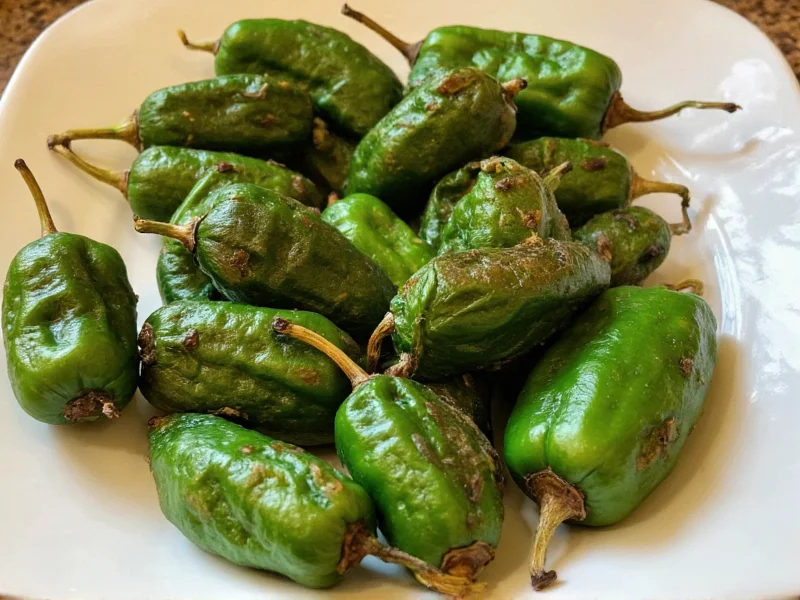
Dried poblano chiles represent one of Mexico's most versatile culinary ingredients, prized for their complex flavor profile that forms the backbone of many traditional sauces and stews. When fresh poblanos ripen to deep red and undergo sun-drying or controlled dehydration, they transform into anchos—Mexico's most commonly used dried chile. Understanding their proper preparation and application can significantly elevate your Mexican and Southwestern cooking.
What Exactly Are Dried Poblano Chiles?
The journey from fresh to dried poblano involves a natural maturation and dehydration process. Fresh poblanos start green and mild, gradually ripening to red, then undergoing drying that triggers enzymatic changes. This transformation creates two distinct varieties:
| Type | Ripeness at Harvest | Flavor Profile | Common Uses |
|---|---|---|---|
| Ancho | Red-ripe | Fruity, raisin-like, mild tobacco notes | Mole sauces, adobo marinades, salsas |
| Mulato | Brown-ripe (beyond red) | Chocolatey, licorice undertones, deeper earthiness | Complex moles, stews, specialty sauces |
Flavor Transformation Through Drying
The drying process fundamentally changes the chemical composition of poblanos. As moisture evaporates, natural sugars concentrate while enzymatic browning creates new flavor compounds. Fresh poblanos offer grassy, bell pepper-like notes with moderate heat (1,000-2,000 Scoville units), while dried versions develop:
- Rich dried fruit characteristics (fig, prune, raisin)
- Subtle smokiness (even without smoke exposure)
- Earthy, tobacco-like undertones
- Complex sweetness balancing mild heat
This flavor evolution makes dried poblanos essential for authentic Mexican mole sauces, where they provide the foundational flavor that complements chocolate, spices, and other chiles.
Proper Rehydration Techniques
Correctly rehydrating dried poblano chiles unlocks their full flavor potential. Follow these professional techniques for optimal results:
- Dry toast method: Heat a dry skillet over medium heat. Place whole chiles in the pan and toast for 20-30 seconds per side until fragrant but not burnt. This step enhances flavor complexity.
- Hot water soak: Place toasted chiles in a bowl and cover with boiling water. Weigh down with a small plate to keep submerged. Soak for 15-20 minutes until pliable.
- Alternative method: For recipes requiring blending, skip soaking and simmer chiles directly in your sauce liquid for 20-30 minutes.
Avoid over-soaking dried poblanos, which can create bitterness. The ideal texture should be flexible enough to handle but still retain structure.
Storage Guidelines for Maximum Freshness
Dried poblano chiles maintain quality longer than fresh peppers but require proper storage:
- Short-term (1-2 months): Airtight container in a cool, dark pantry
- Medium-term (6-12 months): Vacuum-sealed container in the freezer
- Signs of deterioration: Loss of deep reddish-brown color, musty odor, or visible mold
Freezing dried chiles preserves volatile flavor compounds significantly better than room temperature storage. Properly stored, they maintain optimal flavor for 12-18 months.
Where to Find Quality Dried Poblanos
Locating authentic dried poblano chiles requires attention to quality indicators. Specialty markets typically offer better options than standard grocery stores. When selecting dried poblanos:
- Look for deep, rich reddish-brown color (avoid faded or pale specimens)
- Check for intact stems and minimal cracks in the skin
- Sniff for a sweet, raisin-like aroma (mustiness indicates age)
- Choose pliable chiles rather than brittle ones
Mexican grocery stores often carry freshly dried seasonal batches, particularly during fall harvest months. Online retailers specializing in Mexican ingredients provide consistent quality year-round for those without local access to specialty markets.
Effective Substitutes When Dried Poblanos Are Unavailable
When authentic dried poblanos aren't accessible, consider these alternatives based on your recipe's requirements:
- Guajillo chiles: Similar mild heat with brighter fruit notes (best for salsas)
- pasilla chiles: Earthier profile with comparable heat level (good for moles)
- Combination approach: Mix mild New Mexico chiles with a touch of chipotle for smokiness
- Avoid: Cayenne or hotter chiles which overwhelm the delicate flavor balance
Remember that ancho chile powder makes a convenient substitute in spice blends but lacks the textural contribution of whole rehydrated chiles in sauces.
Signature Recipes Featuring Dried Poblanos
Dried poblano chiles shine in traditional preparations where their nuanced flavor can develop fully:
- Mole Poblano: The classic application where anchos provide foundational flavor beneath chocolate and spices
- Chile Colorado: Hearty beef stew featuring rehydrated ancho-based sauce
- Adobo Sauce: Blend rehydrated anchos with vinegar, garlic, and spices for marinating
- Enchilada Sauce: Create a rich, complex base by blending soaked anchos with tomatoes
Professional chefs often toast and rehydrate dried poblanos separately from other chiles in complex sauces, allowing each variety's unique characteristics to shine before final blending.
Nutritional Profile and Health Considerations
Dried poblano chiles retain significant nutritional value despite the dehydration process. Per 10g serving (approximately one dried ancho):
- Vitamin A: 30% of daily value (from concentrated carotenoids)
- Vitamin B6: 10% of daily value
- Dietary fiber: 2g
- Antioxidants: High levels of capsaicinoids and flavonoids
The drying process concentrates certain nutrients while preserving the chile's natural capsaicin content, which may support metabolism and provide anti-inflammatory benefits. As with all chiles, handle dried poblanos with care to avoid skin or eye irritation from capsaicin oils.
Common Preparation Mistakes to Avoid
Even experienced cooks sometimes mishandle dried poblano chiles. Steer clear of these frequent errors:
- Over-toasting: Burning creates bitter, acrid flavors that ruin sauces
- Incorrect soaking time: Under-soaked chiles won't blend smoothly; over-soaked become bitter
- Skipping stem/seed removal: Stems add unpleasant texture; seeds increase heat disproportionately
- Using stale chiles: Old dried chiles lose flavor complexity and develop off-notes
For optimal results, always remove stems and seeds before rehydrating, unless your recipe specifically calls for whole chiles to infuse flavor then be removed.
What's the difference between ancho and dried poblano chiles?
Ancho is the specific name for dried poblano chiles that were harvested when fully red-ripe. All anchos are dried poblanos, but not all dried poblanos are anchos—mulatos come from poblanos left to ripen beyond red to brown. Anchos have a fruitier profile while mulatos offer deeper earthiness.
How long does it take to rehydrate dried poblano chiles properly?
After dry toasting, cover dried poblano chiles with boiling water and soak for 15-20 minutes. They should become flexible enough to handle without breaking but still retain some structure. Over-soaking beyond 25 minutes can create bitterness. For sauces, you can skip soaking and simmer chiles directly in your cooking liquid for 20-30 minutes.
Can I substitute fresh poblanos for dried in recipes?
Fresh poblanos cannot directly substitute for dried in most traditional recipes. Drying transforms the flavor profile significantly, concentrating sugars and creating new compounds. For mole or adobo sauces, you'd need approximately 3-4 fresh poblanos to approximate the flavor of one dried ancho, plus additional sweetening and sometimes a touch of smoked paprika to mimic the dried version's complexity.
How can I tell if my dried poblano chiles have gone bad?
Signs of spoiled dried poblano chiles include faded color (they should be deep reddish-brown), brittle texture that crumbles easily, musty or moldy odor, visible mold spots, or excessive insect damage. Properly stored dried poblanos maintain flexibility and emit a sweet, raisin-like aroma. When in doubt, perform a small test rehydration—bitter or off flavors indicate deterioration.
What's the best way to store dried poblano chiles long-term?
For maximum shelf life, store dried poblano chiles in an airtight container in the freezer. First, place them in a vacuum-sealed bag or remove as much air as possible from a heavy-duty freezer bag. Properly frozen dried chiles maintain optimal flavor for 12-18 months. Avoid refrigerator storage due to moisture content, and pantry storage only works well for 1-2 months before flavor degradation begins.




 浙公网安备
33010002000092号
浙公网安备
33010002000092号 浙B2-20120091-4