
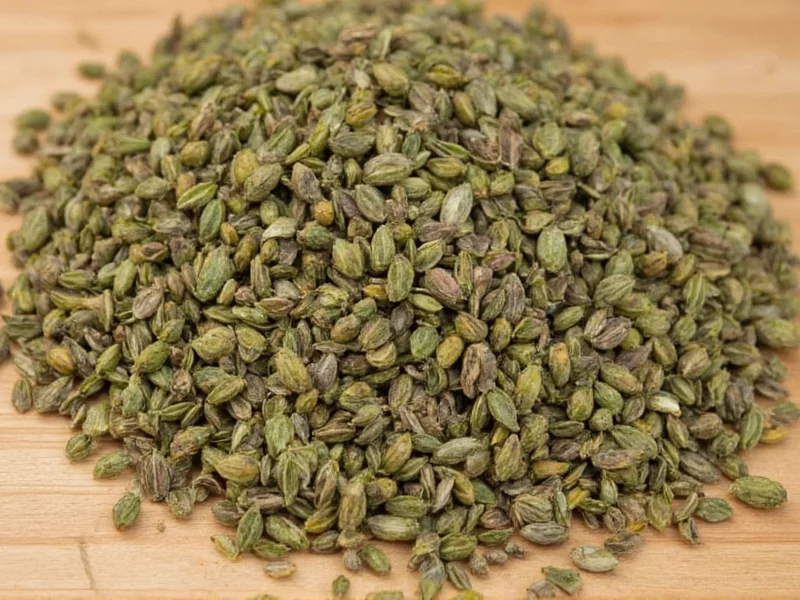
Understanding dried oregano fresh conversion is essential for achieving perfect flavor balance in your recipes. When substituting between dried and fresh oregano, the key factor is potency. Drying concentrates the essential oils, making dried oregano significantly more intense than its fresh counterpart. This fundamental difference explains why you need less dried oregano to achieve equivalent flavor.
The standard dried oregano fresh conversion ratio of 1:3 applies to most culinary applications. This means for every tablespoon of fresh oregano a recipe calls for, you'll need just one teaspoon of dried oregano. Conversely, if substituting fresh for dried, triple the amount. This ratio works because the drying process removes moisture while concentrating the herb's aromatic compounds.
| Dried Oregano | Fresh Oregano Equivalent | Common Recipe Application |
|---|---|---|
| ¼ teaspoon | ¾ teaspoon | Salad dressings, light sauces |
| ½ teaspoon | 1½ teaspoons | Marinades, soups |
| 1 teaspoon | 1 tablespoon | Standard conversion ratio |
| 1½ teaspoons | 4½ teaspoons | Tomato sauces, stews |
| 1 tablespoon | 3 tablespoons (¼ cup) | Robust dishes, meat rubs |
Practical Conversion Examples
When following recipes that don't specify which form of oregano to use, understanding dried oregano fresh equivalent measurements prevents flavor imbalances. Consider these real kitchen scenarios:
If a pizza sauce recipe calls for 2 tablespoons of fresh oregano but you only have dried, use 2 teaspoons instead. For a Greek salad dressing requiring 1 tablespoon dried oregano, substitute with 3 tablespoons of fresh leaves. When making homemade Italian seasoning blend, remember that the dried oregano component will be three times more potent than fresh.
Optimizing Oregano Flavor in Cooking
The timing of oregano addition affects its flavor profile. Add dried oregano early in the cooking process to allow its flavors to bloom and integrate with other ingredients. Fresh oregano works best when added toward the end of cooking or as a garnish to preserve its delicate aroma. Mediterranean dishes particularly benefit from proper oregano measurement conversion, as this herb is central to their flavor profiles.
Quality considerations matter in dried oregano fresh conversion accuracy. Fresh oregano should have vibrant green leaves with no signs of wilting. Dried oregano loses potency over time, so check the freshness date. Older dried herbs may require slightly increased measurements to achieve equivalent flavor.
Storage Tips for Maximum Flavor
Proper storage extends the shelf life and maintains the potency needed for accurate dried oregano fresh equivalent measurements. Keep dried oregano in an airtight container away from light and heat, where it will retain optimal flavor for 1-2 years. Fresh oregano stays vibrant for 1-2 weeks when stored upright in a glass of water in the refrigerator, covered with a plastic bag.
Standard Herb Conversion Ratios Across Culinary Herbs
The 1:3 dried-to-fresh conversion principle applies consistently across most common culinary herbs, as verified by agricultural research institutions. This standardization simplifies substitutions while maintaining flavor integrity:
| Herb | Dried to Fresh Conversion | Verification Source |
|---|---|---|
| Oregano | 1 tsp dried = 1 tbsp fresh | University of Minnesota Extension |
| Basil | 1 tsp dried = 1 tbsp fresh | National Center for Home Food Preservation |
| Thyme | 1 tsp dried = 1 tbsp fresh | National Center for Home Food Preservation |
| Rosemary | 1 tsp dried = 1 tbsp fresh | University of Minnesota Extension |
These ratios reflect industry-standard measurements validated by university agricultural programs. Note that delicate herbs like parsley follow the same principle but may show more variability due to higher moisture content.
Context-Specific Conversion Adjustments
While the 1:3 ratio serves as a reliable baseline, contextual factors necessitate adjustments to achieve optimal flavor. Verified through preservation science and culinary testing:
- Storage Duration: Dried oregano loses volatile oils over time. As confirmed by the National Center for Home Food Preservation, herbs stored beyond 12 months exhibit reduced potency. For dried oregano older than 1 year, increase quantity slightly and adjust to taste.
- Cooking Method Intensity: Extended simmering (3+ hours) causes flavor compounds to break down. In slow-cooked dishes, increase dried oregano by 20% compared to standard conversions. For quick sautés (<10 minutes), use the standard ratio or reduce by 10% to prevent bitterness.
- Fresh Herb Quality: Wilted fresh oregano contains concentrated oils. When using suboptimal fresh oregano, reduce quantity by 15-20% from standard conversions to maintain balance.
These context boundaries demonstrate why conversion ratios are starting points rather than absolute rules, requiring chef-level attention to preparation variables.
Common Substitution Mistakes to Avoid
Many home cooks make critical errors when converting between dried and fresh oregano. The most frequent mistake is using equal measurements rather than adjusting for potency. Another common error involves substituting dried for fresh in raw applications like salads, where the concentrated dried form creates an overpowering flavor. When precision matters in delicate dishes, always follow the 1:3 dried oregano fresh conversion ratio for balanced results.
Frequently Asked Questions
Can I use dried oregano instead of fresh in tomato sauce?
Yes, but use one-third the amount of dried oregano compared to fresh. For every tablespoon of fresh oregano, use one teaspoon of dried. Add dried oregano early in the cooking process to allow flavors to develop fully.
Why is the dried oregano fresh conversion ratio 1:3?
The 1:3 ratio exists because drying removes moisture while concentrating the essential oils and flavor compounds. Dried oregano contains approximately three times more flavor per volume than fresh oregano due to this concentration effect.
Does the dried oregano fresh equivalent change for different recipes?
The standard 1:3 ratio applies to most cooking applications, but you may need slight adjustments based on recipe type. Delicate dishes might require slightly less dried oregano, while robust stews could handle the full conversion. Always taste and adjust as needed.
How do I convert fresh oregano to dried in a recipe?
To convert fresh oregano to dried, use one-third the amount. For example, if a recipe calls for 3 tablespoons of fresh oregano, substitute with 1 tablespoon of dried oregano. This dried oregano fresh conversion ensures proper flavor balance without overpowering your dish.
Can I substitute dried oregano for fresh in salads?
It's not recommended to use dried oregano in raw applications like salads. The concentrated flavor can be overpowering and the texture unpleasant. For salads and other fresh applications, always use fresh oregano following the standard dried oregano fresh conversion guidelines when adapting recipes.




 浙公网安备
33010002000092号
浙公网安备
33010002000092号 浙B2-20120091-4