
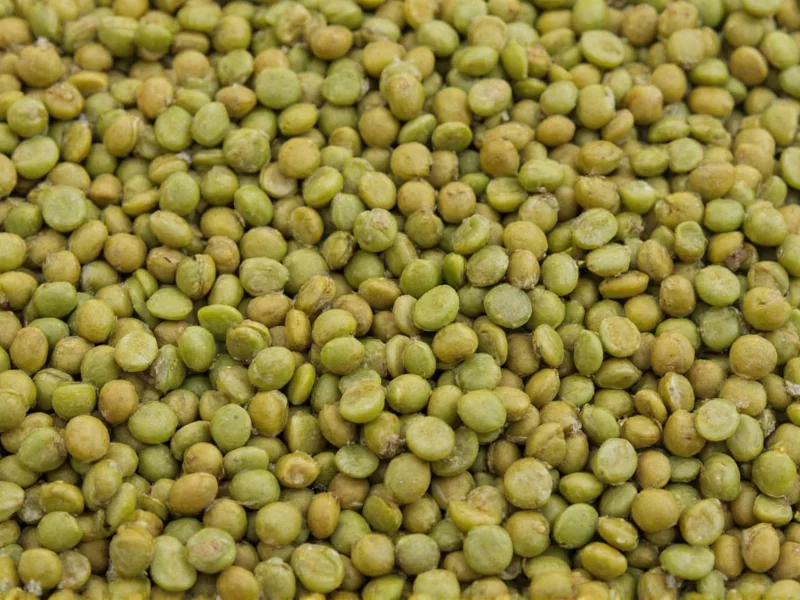
As a nutritionally dense pantry staple, dried green lentils provide exceptional versatility in the kitchen. These legumes contain approximately 25 grams of protein per cooked cup, making them an excellent plant-based protein source. Their high fiber content—about 15.6 grams per cooked cup—supports digestive health and helps maintain stable blood sugar levels.
Nutritional Profile and Health Benefits
Green lentils stand out among legumes for their impressive nutritional composition. A single cup (198g) of cooked green lentils delivers:
| Nutrient | Amount per Cup | % Daily Value |
|---|---|---|
| Calories | 230 | 12% |
| Protein | 18g | 36% |
| Fiber | 15.6g | 56% |
| Folate | 358mcg | 90% |
| Iron | 3.3mg | 18% |
| Magnesium | 71mg | 17% |
Nutritional data verified through USDA FoodData Central (ID: 170417) for cooked green lentils. View complete dataset.
Regular consumption of dried green lentils contributes to heart health through their potassium and magnesium content, which help regulate blood pressure. The substantial fiber content also reduces LDL cholesterol levels. For those managing diabetes, the low glycemic index of green lentils (approximately 30) makes them an excellent carbohydrate choice that won't cause blood sugar spikes, as confirmed by glycemic index research at the University of Sydney's Glycemic Index Research Service database.
Selecting and Storing Dried Green Lentils
When purchasing dried green lentils, look for packages with uniform color and size, free from cracks or debris. High-quality lentils should feel dry to the touch with no evidence of moisture. Specialty food stores often carry French green lentils (also called Puy lentils), which have a slightly higher price point but superior texture retention during cooking.
Proper storage extends the shelf life of dried green lentils significantly. Keep them in an airtight container in a cool, dark pantry for up to 12 months. For longer storage, transfer to the refrigerator where they'll maintain quality for 18-24 months. Always check for any off odors or discoloration before use, as these indicate spoilage.
Preparation and Cooking Techniques
Unlike many dried beans, green lentils don't require soaking before cooking, though a quick rinse removes any dust or debris. For optimal results when preparing dried green lentils:
- Sort through lentils to remove any small stones or damaged pieces
- Rinse thoroughly in a fine-mesh strainer under cold water
- Use a 3:1 water-to-lentil ratio for standard cooking
- Avoid adding salt until lentils are nearly cooked to prevent toughening
- Acidic ingredients like tomatoes should be added near the end of cooking
The cooking time for dried green lentils varies based on desired texture and variety:
| Cooking Method | Standard Green Lentils | French Green Lentils (Puy) |
|---|---|---|
| Simmering on Stovetop | 20-25 minutes | 25-30 minutes |
| Pressure Cooking | 8-10 minutes | 10-12 minutes |
| Slow Cooking | 3-4 hours on high | 4-5 hours on high |
For salads where firm texture matters, cook until just tender with a slight bite. For soups and stews, extended cooking creates a creamier consistency that helps thicken the dish naturally.
Versatile Culinary Applications
Dried green lentils shine in numerous culinary applications due to their ability to maintain shape while absorbing flavors. Their earthy, slightly peppery taste complements both vegetarian and meat-based dishes. Consider these preparation methods when incorporating dried green lentils into your cooking:
For hearty soups and stews, add lentils during the last 20-25 minutes of cooking to preserve texture. In vegetarian dishes, they serve as an excellent meat substitute in shepherd's pie or lentil loaf. Their firm structure makes them ideal for cold salads when properly cooked and cooled.
International cuisines feature green lentils prominently. Indian dal preparations often use them as a base, while French cuisine incorporates Puy lentils in the classic salad salade de lentilles. Middle Eastern dishes like mujadara combine lentils with rice and caramelized onions for a protein-rich meal.
Comparing Lentil Varieties
Understanding the differences between lentil types helps select the right variety for specific recipes. Green lentils maintain their shape better than red or yellow varieties, which break down more readily. Brown lentils offer similar cooking properties but with a slightly earthier flavor.
| Variety | Texture Retention | Flavor Profile | Optimal Applications | Special Handling Notes |
|---|---|---|---|---|
| Standard Green | High (holds shape well) | Mild earthy | Soups, stews, salads | Requires full cooking time for salads |
| French Green (Puy) | Very high (superior integrity) | Peppery, complex | Salads, side dishes | Protected designation (PDO) from Le Puy, France |
| Brown | Moderate (softens significantly) | Earthy, robust | Dals, purees, thick soups | Breaks down faster than green varieties |
| Red/Yellow | Low (disintegrates completely) | Sweet, mild | Creamy dals, baby food, thickening | Cooks fastest; no soaking required |
Variety characteristics validated by North Dakota State University Extension research on pulse crops Field Peas, Lentils, and Chickpeas (2020).
French green lentils (Puy) represent a premium variety with protected designation of origin status. They feature a darker blue-green color, smaller size, and superior texture retention compared to standard green lentils. While more expensive, they're worth the investment for salads and dishes where distinct lentil shape matters.
When substituting between varieties, remember that cooking times vary significantly. Red lentils cook in 15-20 minutes and become quite soft, making them ideal for purees and thickening agents, while green lentils require longer cooking for optimal texture.
Contextual Limitations: When Green Lentils Aren't Ideal
Despite their versatility, green lentils have specific constraints that affect culinary outcomes. Their firm texture makes them unsuitable for dishes requiring immediate creaminess without extended cooking, such as traditional Indian dal where red lentils disintegrate within 15 minutes. Individuals with irritable bowel syndrome (IBS) should limit green lentils during the elimination phase of the low-FODMAP diet due to high oligosaccharide content, as established by Monash University's clinical research FODMAP guide.
Recipes with cooking times under 20 minutes will yield undercooked green lentils, whereas brown varieties achieve tenderness faster. Additionally, green lentils' distinct earthy flavor may overpower delicate dishes where neutral-tasting red lentils are preferable. Always match lentil variety to both time constraints and flavor requirements for optimal results.




 浙公网安备
33010002000092号
浙公网安备
33010002000092号 浙B2-20120091-4