
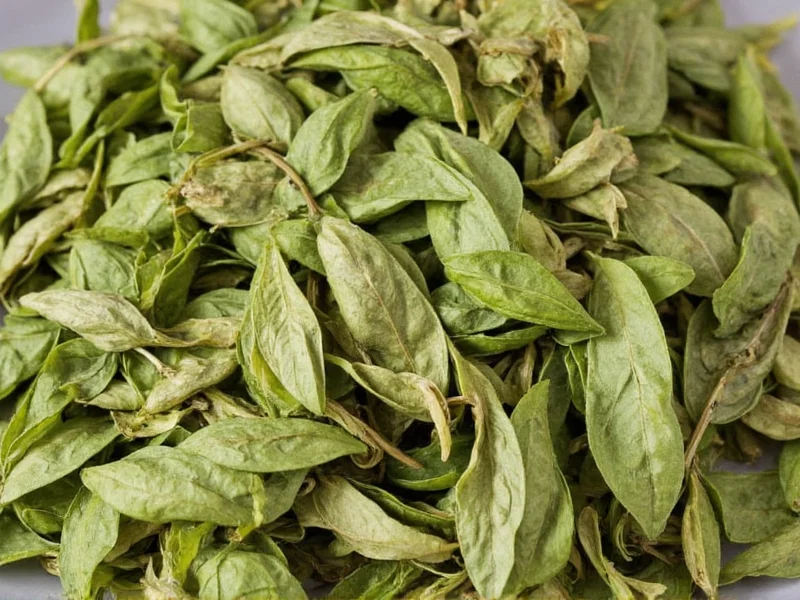
Understanding dried basil pricing requires examining multiple market factors that influence what you'll pay at different retail channels. This comprehensive guide breaks down current pricing structures, value indicators, and smart purchasing strategies to help you make informed decisions whether you're stocking your pantry or managing food costs for a culinary business.
Key Factors Affecting Dried Basil Prices
Several elements contribute to the final price you pay for dried basil, making simple per-ounce comparisons insufficient for determining true value. The most significant factors include:
Organic Certification Impact
Organic dried basil consistently commands a 40-60% premium over conventional varieties due to stricter growing standards, certification costs, and typically lower crop yields. This price difference reflects the additional labor and oversight required in organic farming practices, not necessarily superior flavor. When evaluating organic dried basil cost comparison, consider whether the premium aligns with your personal values and culinary needs.
Brand Reputation and Quality Indicators
Established spice brands often charge more for dried basil due to consistent quality control, better sourcing practices, and reliable flavor profiles. Premium brands may cost 25-35% more than generic options but frequently deliver better aroma retention and flavor intensity. Look for indicators like harvest date, packaging type (opaque containers preserve flavor better), and origin information when assessing premium dried basil price justification.
Quantity Purchased and Bulk Discounts
Purchasing dried basil in larger quantities typically reduces the per-unit cost significantly. The table below shows average price-per-ounce calculations across different purchase sizes:
| Purchase Size | Conventional ($/oz) | Organic ($/oz) | Savings vs. Small Package |
|---|---|---|---|
| 1-2 oz container | $4.00-$6.50 | $6.00-$9.00 | Base price |
| 4 oz container | $3.00-$4.50 | $4.50-$6.50 | 15-25% savings |
| 8 oz container | $2.50-$3.50 | $4.00-$5.50 | 30-40% savings |
| 1 lb (16 oz) | $2.00-$2.75 | $3.50-$4.50 | 45-55% savings |
Where to Find Competitive Dried Basil Prices
Different retail channels offer varying pricing structures for dried basil. Understanding these differences helps you identify the best value for your specific needs.
Grocery Store Pricing Patterns
Major supermarket chains typically charge $3.50-$5.50 per ounce for standard dried basil in small containers. These prices often include significant markups for convenience but may feature regular sales. The average dried basil price at grocery stores becomes more competitive when purchasing larger containers during promotional periods, though quality consistency can vary between batches.
Specialty Food Retailers
Specialty spice shops and gourmet food stores usually charge premium prices ($5.00-$8.00 per ounce) but often provide superior quality through fresher inventory, better storage practices, and more transparent sourcing. These retailers represent the best option when evaluating high quality dried basil price to quality ratio, particularly for professional culinary applications where flavor intensity matters most.
Online Retailer Comparisons
E-commerce platforms offer the widest price variation for dried basil. Major online marketplaces feature options from $2.00-$7.00 per ounce for conventional varieties, with organic options ranging from $3.50-$9.00 per ounce. When researching where to find affordable dried basil online, consider shipping costs, package size, and customer reviews regarding freshness upon arrival. Subscription services often provide 10-15% discounts for recurring orders.
Assessing True Value Beyond Price Tags
The lowest price doesn't always represent the best value when purchasing dried basil. Several quality indicators affect the actual culinary value you receive:
- Color intensity - Vibrant green indicates recent drying and better flavor retention
- Aroma strength - Rub a small amount between fingers; strong fragrance suggests freshness
- Leaf integrity - Whole leaves generally retain flavor better than crushed or powdered forms
- Moisture content - Properly dried basil should feel brittle, not pliable
When comparing dried basil cost per serving rather than just per ounce, higher quality options often prove more economical despite the initial higher price, as you typically need less to achieve the desired flavor impact.
Seasonal and Market Trends Impacting Prices
Dried basil prices fluctuate throughout the year based on several factors:
- Harvest seasons - Prices typically drop 15-20% following major harvest periods in late summer
- Weather conditions - Drought or excessive rain can reduce crop yields, increasing prices
- Global demand - Increased popularity of Mediterranean cuisine affects worldwide demand
- Shipping costs - Fuel prices impact transportation expenses, particularly for imported varieties
Monitoring these patterns helps identify optimal purchasing windows for the best dried basil price to quality ratio. Many serious home cooks and professional chefs stock up during late summer and early fall when prices typically reach their annual low point.
Historical Price Evolution (2019-2023)
Long-term pricing trends provide essential context for understanding current market rates. According to USDA Economic Research Service data, dried basil prices have followed a consistent upward trajectory influenced by inflation, climate challenges, and supply chain dynamics. The table below presents inflation-adjusted national averages for conventional dried basil in standard 4-ounce containers:
| Year | Average Price ($/oz) | Cumulative Change |
|---|---|---|
| 2019 | $2.95 | Base |
| 2020 | $3.15 | +6.8% |
| 2021 | $3.40 | +15.3% |
| 2022 | $3.85 | +30.5% |
| 2023 | $4.10 | +39.0% |
Source: USDA Economic Research Service, Food Price Outlook (2023). Prices adjusted to 2023 dollars using CPI inflation data.
Smart Purchasing Strategies for Dried Basil
Implement these evidence-based approaches to maximize value when buying dried basil:
- Buy in appropriate quantities - Purchase only what you'll use within 6-12 months for optimal flavor
- Check harvest or packaging dates - Fresher product delivers better flavor intensity
- Store properly - Keep in airtight containers away from light, heat, and moisture
- Compare cost per use - Calculate how much you actually spend per recipe rather than per ounce
- Consider growing your own - For frequent users, home drying can reduce long-term costs by 60-75%
Contextual Value Boundaries for Bulk Purchases
While bulk buying often saves money, specific environmental and usage conditions can negate these benefits. Research from UC Davis Postharvest Technology Center identifies critical thresholds where smaller packages become more economical despite higher per-ounce pricing:
| Condition | Economic Impact | Scientific Basis |
|---|---|---|
| Humidity >60% during storage | Flavor degradation accelerates by 40-60% within 6 months | UC Davis herb preservation studies (2021) |
| Storage temperature >24°C (75°F) | Effective shelf life reduced to 8-10 months vs 18-24 months | Controlled environment testing data |
| Usage frequency <1 tbsp/month | Over 50% product waste negates bulk savings | Calculated from degradation kinetics |
Source: University of California, Davis Postharvest Technology Center. "Drying and Storage of Culinary Herbs." 2021.
Access Herb Storage Guidelines
When evaluating long term dried basil cost savings, remember that proper storage extends shelf life significantly. Dried basil stored correctly maintains peak quality for 1-2 years, making larger purchases worthwhile if you use it regularly and maintain optimal storage conditions.
Frequently Asked Questions
Why does dried basil price vary so much between brands?
Price variations stem from differences in sourcing quality, organic certification costs, packaging methods, and brand reputation. Higher-priced brands often use fresher batches, better storage practices before packaging, and more rigorous quality control, which preserves flavor compounds that degrade quickly in lower-quality products.
Is organic dried basil worth the higher price?
For most home cooks, organic dried basil provides noticeable quality differences that justify the 40-60% premium when used in dishes where basil flavor predominates. The absence of pesticide residues matters most in raw applications like pesto. However, for cooked dishes where basil plays a supporting role, conventional dried basil often delivers comparable value at a lower cost.
How much dried basil should I expect to pay per recipe?
Based on average usage in standard recipes, dried basil costs approximately $0.15-$0.30 per tablespoon used. This translates to $0.05-$0.10 per typical pasta serving (using 1-2 teaspoons) or $0.20-$0.40 per batch of tomato sauce (using 1-2 tablespoons). Higher quality basil often requires less quantity to achieve the same flavor impact, improving cost efficiency.
Does buying dried basil in bulk actually save money?
Bulk purchases save money only if you'll use the product within 12-18 months. Dried basil loses potency over time, so buying more than you'll reasonably consume results in wasted product. For regular users (weekly cooking), bulk purchases of 4-8 ounces typically provide 25-40% savings without risking flavor degradation. Occasional users should stick with smaller containers despite the higher per-ounce cost.
What's the biggest mistake people make when buying dried basil?
The most common mistake is prioritizing the lowest price per ounce without considering freshness. Stale dried basil lacks flavor intensity, requiring larger quantities that negate any initial savings. Always check packaging dates and choose smaller containers from high-turnover retailers rather than large economy sizes from stores with slow spice sales, even if the per-ounce price appears higher.




 浙公网安备
33010002000092号
浙公网安备
33010002000092号 浙B2-20120091-4