
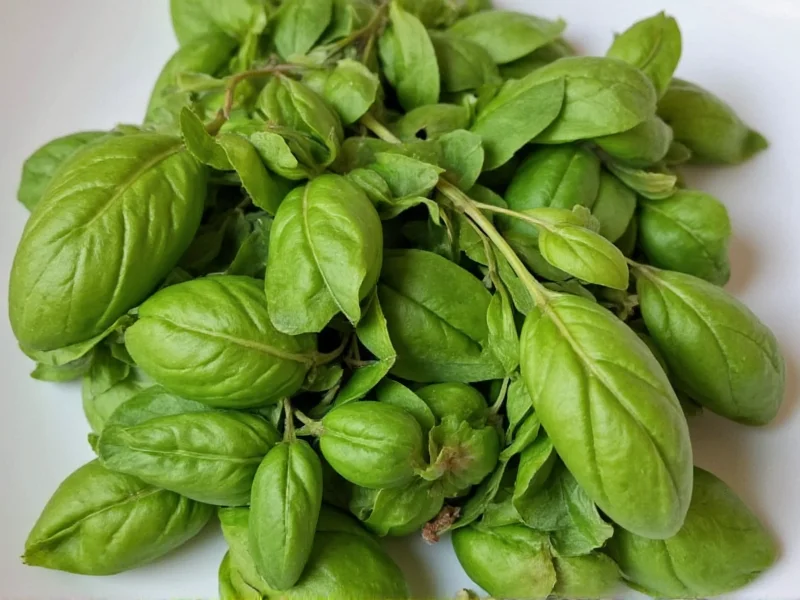
Understanding dried basil cost helps home cooks and meal planners make informed purchasing decisions. This comprehensive guide examines current market pricing, factors affecting value, and smart shopping strategies to maximize your culinary budget without sacrificing quality.
Current Market Pricing for Dried Basil
As of 2025, dried basil prices vary significantly based on container size and quality tier. The most common retail package (1.75-2.25 ounces) ranges from $2.50 for store brands to $5.00 for premium organic varieties. Specialty food stores often charge $6.00-$8.00 for the same size container featuring artisanal or imported options.
| Package Size | Conventional Price Range | Organic Price Range | Average Price Per Ounce |
|---|---|---|---|
| 1.75-2.25 oz (standard) | $2.50-$4.00 | $3.50-$5.00 | $1.50-$2.25 |
| 4 oz container | $5.00-$7.50 | $6.50-$9.00 | $1.25-$1.88 |
| 8 oz container | $8.00-$12.00 | $10.00-$15.00 | $1.00-$1.50 |
| 1 pound (bulk) | $10.00-$16.00 | $14.00-$20.00 | $0.63-$1.00 |
Factors Influencing Dried Basil Pricing
Several elements affect the final cost of dried basil, making price comparisons more complex than they initially appear. Understanding these factors helps determine whether you're getting genuine value.
Quality Grade Differences
Not all dried basil carries the same quality. Premium grades feature higher essential oil content (typically 0.5-1.0%), resulting in stronger flavor and aroma. These command 25-40% higher prices than standard grades. Commercial foodservice packages often use lower-grade basil at reduced prices, but home cooks generally prefer the higher-quality options for better culinary results.
Retail Markup Variations
Where you shop significantly impacts dried basil cost per ounce. Grocery chains maintain 35-45% markup on spices, while specialty food stores may charge 50-75% more. Online retailers often offer better value for larger quantities, with Amazon and spice-specific websites providing 15-25% savings compared to physical stores for equivalent products. Warehouse clubs like Costco typically sell 8-ounce containers for $7-$10, representing substantial savings for frequent users.
Organic Certification Premium
Organic dried basil consistently costs 20-30% more than conventional options due to certification expenses and lower crop yields. The price difference becomes more pronounced with smaller package sizes. For example, a 2-ounce organic container might cost $4.50 versus $3.00 for conventional, while an 8-ounce organic package might be $12.00 compared to $9.00 for conventional—making larger organic purchases relatively more economical.
Smart Shopping Strategies for Dried Basil
Maximizing value requires understanding how to evaluate true cost beyond the sticker price. Consider these practical approaches when determining dried basil price per use.
Calculating True Cost Per Use
The most accurate way to assess dried basil value involves calculating cost per teaspoon rather than per ounce. A standard 2-ounce container yields approximately 12 teaspoons. At $3.00 per container, each teaspoon costs $0.25. Larger packages reduce this cost significantly—a 4-ounce container at $6.00 brings the per-teaspoon cost down to $0.13. For frequent cooks using 1-2 teaspoons weekly, the larger package pays for itself within 6-8 months through reduced cost per use.
Shelf Life Considerations
Dried basil maintains peak flavor for 1-2 years when stored properly in airtight containers away from light and heat. Purchasing larger quantities only makes economic sense if you'll use the product within this timeframe. For occasional cooks, smaller packages prevent waste from degraded quality, making them more cost-effective despite the higher per-ounce price. Freezing dried basil extends its shelf life to 3-4 years, making bulk purchases viable for infrequent users who employ this storage method.
Seasonal and Promotional Opportunities
Spice prices fluctuate seasonally, with the best dried basil cost savings typically occurring in late summer and early fall when new harvests arrive. Many retailers offer 20-30% discounts on spices during January (post-holiday sales) and July (mid-year clearance). Signing up for grocery store loyalty programs often provides access to additional 10-15% off spice promotions. Online retailers frequently run subscription discounts of 5-15% for recurring spice orders, further reducing long-term costs.
Dried Basil vs. Fresh Basil: Cost Analysis
While fresh basil offers superior flavor in some applications, dried basil provides significant cost advantages for certain cooking scenarios. A $3.00 container of dried basil (2 ounces) equals approximately 12 ounces of fresh basil by culinary equivalence. At typical fresh basil prices of $2.50-$3.50 per 2-ounce container, dried basil represents a 60-70% cost savings for equivalent flavor impact. However, fresh basil works better in dishes where texture matters, like caprese salad or pesto, while dried basil excels in long-simmering sauces and stews where moisture content isn't critical.
When Premium Pricing Is Justified
Not all price differences reflect meaningful quality variations. Certain situations warrant paying more for higher-end dried basil:
- Long-term storage needs: Premium grades maintain flavor longer
- Special dietary requirements: Certified gluten-free or allergen-safe processing
- Commercial cooking: Consistent flavor profile matters for recipe standardization
- International cuisine: Specific regional varieties (like Genovese basil) for authentic dishes
For everyday home cooking, mid-range conventional dried basil provides excellent value without noticeable quality compromise. Reserve premium purchases for special occasions or when specific culinary requirements demand higher quality.




 浙公网安备
33010002000092号
浙公网安备
33010002000092号 浙B2-20120091-4