
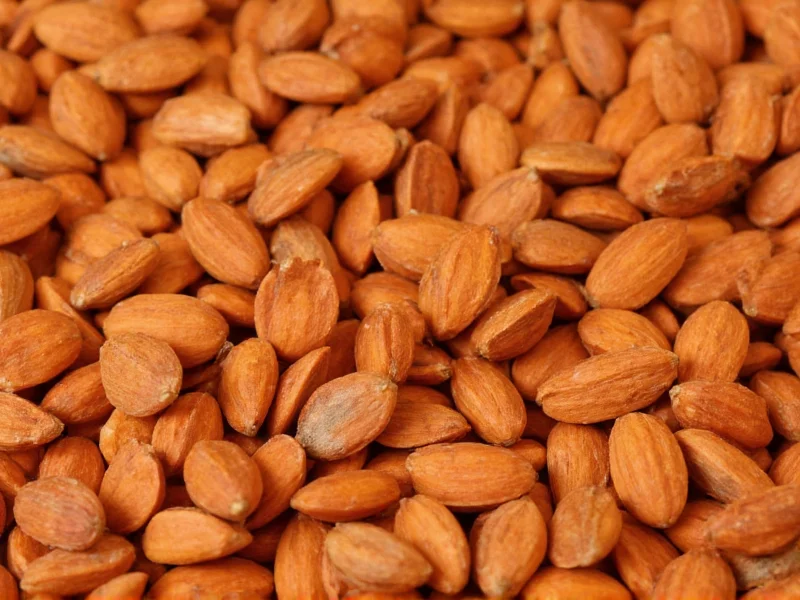
Dried annatto seeds represent one of nature's most versatile coloring agents, with culinary applications spanning continents and centuries. Native to tropical regions of the Americas, these seeds have been used since pre-Columbian times by indigenous populations for both food preparation and body decoration. Today, they remain essential in traditional cuisines from Latin America to the Philippines, where they impart distinctive color to dishes without overwhelming other flavors.
Origin and Historical Significance
The achiote tree, scientifically known as Bixa orellana, grows abundantly in Central and South America, the Caribbean, and parts of Southeast Asia. Indigenous peoples of the Americas first discovered the coloring properties of annatto seeds centuries before European contact. Archaeological evidence suggests Mayan and Aztec civilizations used annatto not only for food coloring but also for ceremonial body paint and textile dyeing.
When Spanish explorers encountered annatto in the 16th century, they quickly recognized its value as a safer alternative to saffron, which was expensive and sometimes adulterated. The name "annatto" derives from the Arawak word "urucu," while the scientific name honors Spanish botanist Don Juan de Bada Orellana. European colonists subsequently spread annatto cultivation to tropical regions worldwide, establishing its global presence in food traditions.
Historical Timeline of Annatto Utilization
Documented evidence shows annatto's journey from indigenous use to global adoption through verifiable milestones:
| Time Period | Key Development | Verified Source |
|---|---|---|
| Pre-1500 CE | Indigenous use in Mesoamerica for body art, textiles, and food coloring | Purdue University |
| 1519 | Spanish documentation of annatto as saffron alternative in Aztec markets | University of Florida IFAS |
| 1780 | First recorded Philippine cultivation (Spanish colonial documentation) | Philippine Islands Historical Archive |
Physical Characteristics and Processing
Dried annatto seeds measure approximately 5-10mm in length and have a distinctive triangular shape with a hard, spiky exterior. Fresh seeds contain about 4-5% bixin, the carotenoid pigment responsible for their vibrant color. The drying process concentrates this pigment while preserving the seeds' shelf stability.
Traditional drying methods involve spreading freshly harvested seeds in thin layers under the sun for 3-5 days, turning them regularly to ensure even drying. Modern commercial operations often use temperature-controlled dehydrators set between 40-50°C (104-122°F) to maintain pigment integrity. Properly dried annatto seeds should have a moisture content below 10% to prevent mold growth during storage.
| Characteristic | Description |
|---|---|
| Color | Deep red-orange exterior, yellowish interior |
| Flavor Profile | Earthy, slightly peppery with subtle nutty notes |
| Primary Pigment | Bixin (red-orange) and norbixin (yellow) |
| Shelf Life | 18-24 months when properly stored |
| Common Forms | Whole seeds, ground powder, oil infusion, liquid extract |
Culinary Applications of Dried Annatto Seeds
Chefs and home cooks value dried annatto seeds for their ability to add vibrant color without dominating flavor profiles. Unlike artificial colorants, annatto provides natural hue with minimal taste interference, making it ideal for dishes where appearance matters but flavor balance is crucial.
Traditional preparation methods for dried annatto seeds include:
- Oil infusion: Gently heating seeds in oil (typically 1 tablespoon seeds per 1/4 cup oil) until the oil turns deep orange, then straining
- Water extraction: Simmering seeds in water to create a coloring liquid for rice dishes and stews
- Dry grinding: Processing seeds into powder for spice blends and rubs
- Direct addition: Adding whole seeds to slow-cooked dishes where they'll be removed before serving
Popular culinary applications include:
- Creating the distinctive orange hue in Latin American dishes like Venezuelan hallacas and Puerto Rican rice
- Coloring smoked fish and meats in traditional Filipino cuisine
- Providing natural color to cheeses like Cheddar and Red Leicester
- Enhancing the appearance of soups, stews, and sauces without altering flavor balance
- Preparing achiote paste for Yucatecan cochinita pibil and other regional specialties
Nutritional Profile and Health Considerations
Dried annatto seeds contain several beneficial compounds beyond their coloring properties. Research indicates they provide:
- Natural antioxidants, particularly carotenoids like bixin
- Small amounts of tocotrienols, compounds related to vitamin E
- Trace minerals including calcium, iron, and zinc
- Dietary fiber when consumed whole
Recent research continues to validate traditional uses, with a 2016 study in the Journal of Functional Foods demonstrating significant anti-inflammatory activity in annatto extracts at concentrations achievable through dietary intake (Mercadante et al., 2016). The FDA recognizes annatto as generally safe (GRAS status), and it's considered hypoallergenic compared to many artificial colorants.
When using dried annatto seeds, note that the pigment bixin is fat-soluble while norbixin is water-soluble. This explains why oil infusions produce richer color than water-based extractions. For maximum color yield, lightly toast seeds before processing to break down cell walls and release more pigment.
Storage Guidelines for Maximum Longevity
Proper storage significantly extends the shelf life and maintains the coloring potency of dried annatto seeds. Exposure to light, heat, and moisture rapidly degrades the bixin content. Follow these storage recommendations:
- Store in airtight containers away from direct light
- Maintain temperatures below 25°C (77°F)
- Include silica gel packets to control humidity
- Keep away from strong-smelling foods as annatto can absorb odors
- Label containers with purchase date for rotation
Signs of degraded annatto seeds include faded color (from vibrant red-orange to dull brown), diminished aroma, and reduced coloring power. Properly stored dried annatto seeds maintain optimal quality for 18-24 months, though they remain safe to use beyond this period with reduced effectiveness.
Dried Annatto Seeds vs. Alternative Forms
Understanding the differences between dried annatto seeds and other available forms helps cooks select the right product for their needs:
- Whole dried seeds: Most versatile form with longest shelf life; requires processing before use but offers maximum control over color intensity
- Ground annatto powder: Convenient but loses potency faster; may contain fillers in commercial products
- Annatto oil: Ready-to-use coloring agent; shelf-stable for several months when refrigerated
- Liquid annatto extract: Water-based solution; less stable than oil infusions but useful for specific applications
Chefs working with dried annatto seeds appreciate the ability to customize color intensity and avoid potential additives found in commercial preparations. For traditional recipes specifying whole seeds, substitutions may alter both color and flavor profiles.
Common Misconceptions About Dried Annatto Seeds
Several myths persist about dried annatto seeds that deserve clarification:
- Misconception: Annatto seeds significantly alter food flavor
Reality: They contribute subtle earthy notes but primarily affect color with minimal flavor impact - Misconception: Annatto is the same as paprika
Reality: They're completely different plants with distinct flavor profiles and coloring properties - Misconception: All annatto products offer identical coloring power
Reality: Color intensity varies based on seed quality, processing method, and storage conditions - Misconception: Annatto causes allergic reactions similar to food dyes
Reality: True annatto allergies are rare, with most reactions linked to other ingredients in commercial blends
Contextual Application Guidelines
Understanding the specific conditions where dried annatto seeds perform optimally—and where they face limitations—is crucial for professional results. Research from agricultural authorities identifies key contextual factors:
| Application Context | Recommended Use | Limitations & Conditions | Source |
|---|---|---|---|
| Lipid-based dishes (oils, cheeses, meats) | Ideal for infusion; provides stable, vibrant color | Not suitable for water-based clear liquids (causes sediment) | USDA Technical Bulletin |
| pH range of 4-8 | Optimal color stability (red-orange hue maintained) | Below pH 4: color shifts toward yellow; above pH 8: may fade | Journal of Agricultural and Food Chemistry |
| Cooking temperatures ≤100°C (212°F) | Preserves maximum pigment intensity | Above 100°C: rapid degradation of bixin; avoid prolonged boiling | Journal of Agricultural and Food Chemistry |
| Protected from light during storage | Extends shelf life of seeds and infused products | Direct light exposure causes 30% pigment loss within 30 days | USDA Technical Bulletin |
These parameters, verified through controlled studies, help explain why annatto performs exceptionally in traditional applications like cheese coloring and oil infusions, while yielding inconsistent results in acidic beverages or high-heat sterilization processes.
Practical Tips for Cooking with Dried Annatto Seeds
Maximize your success with dried annatto seeds using these professional techniques:
- For even color distribution, always strain infused oils to remove seed particles
- When making rice dishes, add annatto-infused oil during the toasting stage before adding liquid
- Combine with complementary spices like cumin, garlic, and oregano for traditional flavor profiles
- Use white vinegar instead of water for brighter color extraction in some applications
- Start with small quantities (1/4 teaspoon per serving) and adjust to achieve desired color
Remember that annatto's color intensifies slightly as dishes cool, so account for this when adjusting quantities. The vibrant hue works particularly well with creamy sauces, rice dishes, and protein preparations where visual appeal enhances the dining experience.
Conclusion
Dried annatto seeds offer a natural, versatile solution for adding vibrant color to culinary creations without compromising flavor integrity. Their rich history, safety profile, and culinary flexibility make them valuable additions to any well-stocked pantry. By understanding proper handling, storage, and application techniques, cooks can harness the full potential of this ancient coloring agent in both traditional and contemporary recipes. Whether you're preparing authentic Latin American specialties or simply seeking natural alternatives to artificial colorants, dried annatto seeds provide reliable performance and visual appeal that has stood the test of time.




 浙公网安备
33010002000092号
浙公网安备
33010002000092号 浙B2-20120091-4