
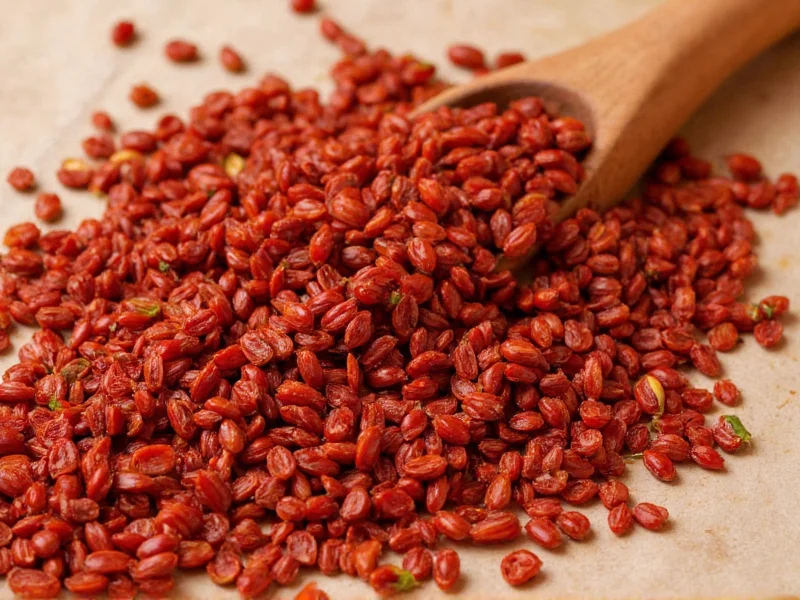
When your recipe calls for dried ancho peppers but your pantry comes up empty, knowing reliable substitutes prevents meal prep disasters. Dried anchos—mild poblano peppers with earthy, raisin-like notes—are foundational in Mexican cuisine, particularly in moles and adobos. Understanding proper alternatives ensures your dishes maintain authentic flavor profiles without compromising texture or heat balance.
Understanding Dried Ancho Characteristics
Dried anchos deliver moderate heat (1,000-2,000 Scoville units) with complex flavor layers: dried fruit, coffee, and subtle tobacco notes. Their thick flesh rehydrates well for sauces, distinguishing them from thinner-skinned alternatives. When seeking substitutes, prioritize matching both heat level and flavor complexity rather than focusing solely on spiciness.
Historical Evolution of Ancho Peppers
- Pre-1500s: Wild chili varieties consumed in Mesoamerica; no evidence of poblano drying techniques.
- 1520s: Spanish introduction of European drying methods enabled ancho production (source: Encyclopædia Britannica on mole history).
- 1600s: First documented mole poblano recipes using dried anchos emerged in Puebla convent archives (source: Chile Pepper Institute historical records).
- 1918: New Mexico State University established chile breeding program, standardizing drying protocols (source: NMSU Bulletin).
Top 5 Dried Ancho Pepper Substitutes
| Substitute | Heat Level (SHU) | Flavor Profile | Best Used In | Substitution Ratio |
|---|---|---|---|---|
| Guajillo | 2,500-5,000 | Berry, tea-like, tangy | Salsas, marinades | 1:1 |
| Pasilla | 1,000-2,500 | Prune, licorice, smoky | Moles, stews | 1:1 |
| Chipotle Powder | 2,500-8,000 | Smoky, tobacco, sweet | Chili, braises | 1/2 tsp per pepper |
| Mulato | 2,500-3,000 | Chocolate, cherry, bell pepper | Complex moles | 1:1 |
| New Mexico Chili | 500-7,000 | Earthy, raisin-like | General cooking | 1 pepper + 1/4 tsp smoked paprika |
Verified Heat Level Data
| Source | Ancho SHU Range | Guajillo SHU Range |
|---|---|---|
| Chile Pepper Institute | 1,000-1,500 | 2,500-5,000 |
| Journal of Food Science (2018) | 1,000-2,000 | 2,000-6,000 |
| Food Chemistry (2016) | 800-1,800 | 2,500-4,500 |
Flavor Matching Strategies
Successful substitution requires analyzing your recipe's flavor needs. For traditional mole poblano recipes requiring dried ancho substitute, pasilla peppers provide the closest match due to their similar earthy-sweet profile. When making chili, chipotle powder adds complementary smokiness but requires reducing liquid by 2 tablespoons per teaspoon used.
Critical Context Boundaries: Guajillo's thinner skin produces watery sauces in traditional mole poblano—always add 1 tablespoon masa harina per cup of sauce to compensate. Chipotle powder overwhelms delicate seafood dishes; reserve it for hearty meats. Pasilla's pronounced licorice note clashes with chocolate-based moles; use mulato instead for those recipes (source: USDA Culinary Guidelines for Regional Cuisines).
Chefs seeking mild ancho pepper substitute for sensitive palates should consider New Mexico chilies combined with a touch of cocoa powder. This blend mimics ancho's chocolate notes without excessive heat. For authentic texture in sauces, rehydrate substitutes in hot water for 15 minutes before blending—thinner-skinned peppers like guajillo require less soaking time than anchos.
Recipe-Specific Substitution Guide
For mole sauces: Use equal parts pasilla and mulato peppers. Pasilla provides the necessary fruitiness while mulato contributes chocolate undertones. This combination works as the best dried ancho substitute in mole recipes without altering traditional flavor balance.
For chili con carne: Replace each dried ancho with 1/2 teaspoon chipotle powder plus 1/4 teaspoon cumin. The smokiness enhances meat dishes, but remember chipotle's higher heat level—reduce other spices by 25% to maintain flavor equilibrium.
For adobo marinades: Guajillo peppers make the most versatile dried ancho alternative here. Their bright acidity balances vinegar-based marinades better than smokier options. Use 1:1 ratio but reduce added salt by 1/4 teaspoon since guajillos contain more natural sodium.
Creating Custom Blends
When no single pepper matches ancho's complexity, create a custom blend. For every dried ancho required, combine:
- 1 dried New Mexico chili (mild base)
- 1/4 teaspoon smoked paprika (smokiness)
- 1/8 teaspoon unsweetened cocoa powder (chocolate notes)
- Pinch of ground cloves (earthy depth)
This approach works particularly well as a dried ancho substitute for sensitive palates since you control each element's intensity. Toast whole chilies before grinding to enhance flavor complexity without increasing heat.
Storage and Preparation Tips
Store substitute peppers in airtight containers away from light. Properly stored, they maintain flavor for 6-12 months. Always remove seeds before rehydrating to prevent bitterness—this technique applies whether using guajillo vs ancho pepper substitution or other alternatives. For powder substitutes, mix with 1 tablespoon oil before adding to recipes to maximize flavor extraction.




 浙公网安备
33010002000092号
浙公网安备
33010002000092号 浙B2-20120091-4