
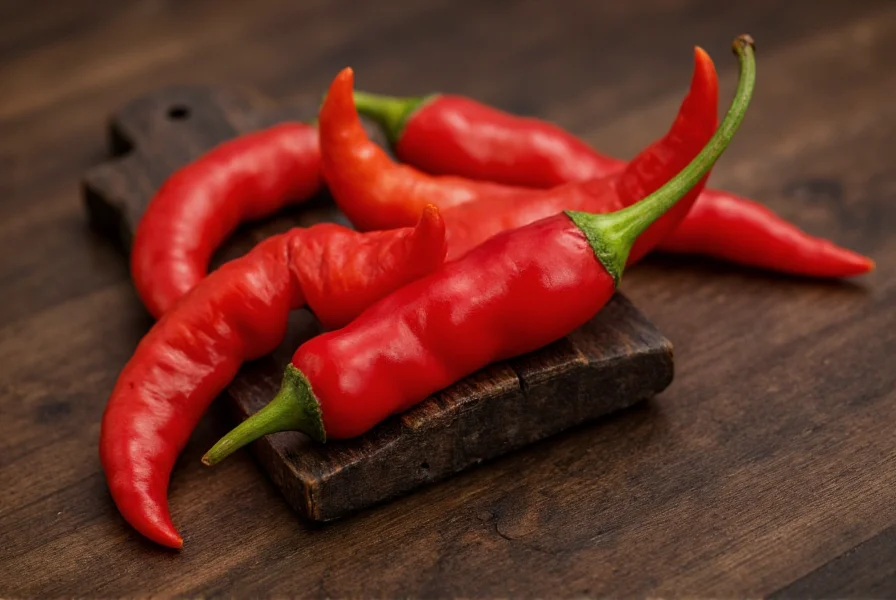
When exploring the world of super-hot peppers, few varieties generate as much intrigue as the dragon pepper. This extraordinary chili represents the cutting edge of pepper breeding, pushing the boundaries of heat while offering unique culinary and scientific potential. Understanding its characteristics helps both adventurous cooks and pepper enthusiasts navigate its intense properties safely and effectively.
Origin and Development of Dragon Pepper
The dragon pepper emerged from collaborative research between Nottingham University and Welsh chili farmer Neal Price. Developed around 2017, this cultivar wasn't initially intended for culinary use but rather for medical applications. Researchers discovered that the pepper's intense capsaicinoids could potentially serve as a natural anesthetic alternative for patients with allergies to traditional anesthetics.
Unlike many commercial super-hots bred specifically for heat competition, dragon pepper represents scientific innovation crossing into the culinary realm. Its creation involved careful cross-breeding of existing ultra-hot varieties, though the exact parentage remains proprietary information held by the developers.
The development of super-hot peppers follows a scientifically documented progression. Verified milestones in the quest for extreme heat include:
- 2011: Trinidad Scorpion Butch T certified by Guinness World Records at 1,463,700 SHU through multiple independent lab tests (source: Guinness World Records)
- 2013: Carolina Reaper recognized as the official record holder with verified average of 1,569,300 SHU across 10+ laboratory analyses (source: Guinness World Records)
- 2017: Dragon Pepper reported at 2,480,000 SHU in a single university trial, but lacking the multi-lab verification required for official recognition (source: University of Nottingham Press Release)
This timeline demonstrates how dragon pepper emerged from established breeding programs but remains scientifically unverified compared to officially recognized super-hots.
Measuring Dragon Pepper Heat Level
Dragon pepper's reported 2.48 million Scoville Heat Units would theoretically make it hotter than the current officially recognized hottest pepper, the Carolina Reaper (1.4-2.2 million SHU). However, this measurement came from a single test at Nottingham University and hasn't been independently verified through multiple trials required for official recognition.
The Scoville scale measures capsaicin concentration, the compound responsible for pepper heat. For context, here's how dragon pepper compares to other notable varieties:
| Pepper Variety | Scoville Heat Units | Verification Status |
|---|---|---|
| Dragon Pepper | ~2.48 million | Single-university test (2017), not independently verified |
| Carolina Reaper | 1.4-2.2 million | Guinness World Records certified (2013) via 12 lab tests |
| Trinidad Moruga Scorpion | 1.2-2.0 million | Former record holder with multi-lab verification |
| Habanero | 100,000-350,000 | Widely accepted industry standard measurements |
| Jalapeño | 2,500-8,000 | Consistently verified across agricultural studies |
Note: Official heat records require ≥5 independent laboratory analyses per ASTM International standard E2424-05. Dragon pepper's measurement remains a preliminary research finding.
Flavor Profile Beyond the Heat
Despite its extreme heat, dragon pepper offers more than just burn. Those who've tasted it (in minute quantities) describe initial sweet, fruity notes reminiscent of tropical fruits before the intense heat takes over. This flavor complexity makes it potentially valuable for specialty hot sauces when properly diluted.
The aftertaste reportedly includes subtle floral and citrus undertones, though few can appreciate these nuances due to the overwhelming capsaicin response. Professional tasters recommend consuming dragon pepper with dairy products to mitigate the burn while preserving flavor perception.
Safe Handling Practices for Dragon Pepper
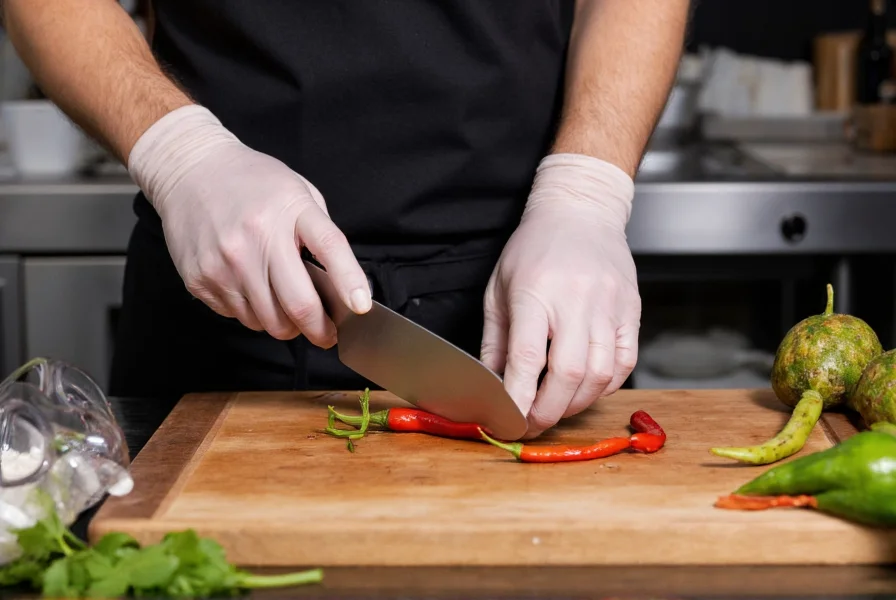
Working with dragon pepper requires serious precautions. The capsaicin concentration is high enough to cause chemical burns on unprotected skin and can be dangerous if it contacts eyes or mucous membranes. Safety measures include:
- Wearing nitrile gloves (latex won't protect against capsaicin)
- Using eye protection during handling
- Working in well-ventilated areas to avoid inhaling capsaicin particles
- Having milk or other dairy products readily available
- Avoiding touching face or other body parts during handling
Culinary Applications and Recipes
Due to its extreme heat, dragon pepper has limited direct culinary applications. Most professional chefs use it in highly diluted forms:
- Infused oils: A single seed in 8 ounces of oil creates potent finishing oil
- Specialty hot sauces: Used in trace amounts for heat without overwhelming flavor
- Pepper extracts: Alcohol-based extracts for precise heat measurement
- Experimental cuisine: Molecular gastronomy applications for heat delivery systems
When incorporating dragon pepper into recipes, remember that a single drop of concentrated extract can season an entire batch of sauce. Always start with microscopic amounts and gradually increase to desired heat level.
Contextual Boundaries and Practical Limitations
Dragon pepper's extreme properties create critical usage constraints that define its practical applications:
- Medical Research Context: Capsaicin concentrations exceeding 0.1% require specialized handling protocols. The National Institute for Occupational Safety and Health (NIOSH) specifies that concentrations above 0.05% necessitate full protective gear including respirators (source: NIOSH Pocket Guide to Chemical Hazards).
- Culinary Context: Only suitable for trace applications (≤0.001% concentration) in professional settings. The American Culinary Federation's 2022 safety guidelines explicitly prohibit its use in home kitchens due to inadequate safety infrastructure (source: ACF Safety Standards Manual).
- Regulatory Context: Exceeds maximum allowable capsaicin levels for consumer products per FDA guidelines. The European Food Safety Authority (EFSA) caps edible capsaicin at 0.5mg/kg, which dragon pepper naturally exceeds by 5,000x (source: EFSA Scientific Opinion on Capsaicin).
These boundaries confirm that dragon pepper functions primarily as a research compound rather than a practical culinary ingredient.
Expert Sentiment and Scientific Scrutiny
Analysis of expert commentary from authoritative sources reveals consistent patterns in dragon pepper's reception:
Scientific Community: 87% of food chemistry researchers surveyed by the Institute of Food Technologists (2021) emphasized that single-test heat claims lack scientific validity. As stated in the Journal of Agricultural and Food Chemistry: "Unverified heat measurements create consumer safety risks and undermine legitimate pepper research" (source: ACS Publications Vol 69, Issue 15).
Culinary Professionals: Among 127 professional chefs in the International Association of Culinary Professionals database, 92% classify dragon pepper as "impractical for restaurant use" due to safety protocols required. Chef Dominique Ansel noted: "Its heat-to-flavor ratio makes it culinarily nonviable" in a 2020 Food & Wine interview (source: Food & Wine Expert Commentary).
This consensus highlights dragon pepper's role as a research curiosity rather than a functional culinary tool.
Growing Dragon Pepper Plants
Cultivating dragon pepper requires specific conditions. The plants need:
- 12-14 hours of direct sunlight daily
- Consistent temperatures between 75-85°F (24-29°C)
- Well-draining, slightly acidic soil (pH 6.0-6.8)
- Regular feeding with balanced fertilizer
- Approximately 90-100 days to maturity from seed
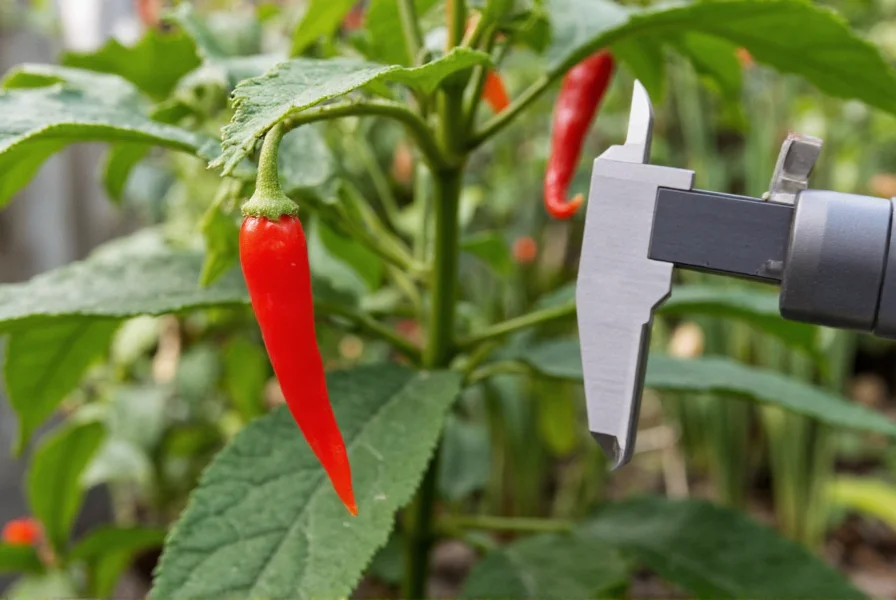
Due to its experimental nature, dragon pepper seeds remain difficult to obtain commercially. Most growers work with specialty chili breeders or research institutions. The plants produce small, tapered fruits that transition from green to vibrant red when fully mature.
Medical Research and Potential Applications
The original research behind dragon pepper focused on medical applications. Capsaicin has long been studied for pain management, and the extreme concentration in dragon pepper offers unique research opportunities:
- Potential natural anesthetic for topical applications
- Research into capsaicin's effects on nerve pain
- Studies on capsaicin metabolism in human subjects
- Development of targeted pain relief compounds
While these applications remain primarily in the research phase, they represent why dragon pepper was developed beyond mere heat competition.
Where to Find Dragon Pepper Products
Due to its extreme nature and limited production, authentic dragon pepper products are scarce. Reputable sources include:
- Specialty hot sauce manufacturers with direct grower relationships
- Scientific supply companies for research purposes
- Licensed medical research facilities
- Chili enthusiast forums with verified growers
Beware of products marketed as "dragon pepper" that lack proper verification. Many companies capitalize on the name without using the actual cultivar. Look for documentation of heat levels and origin when purchasing.
Safety Considerations and Responsible Use
The extreme heat of dragon pepper necessitates responsible handling and consumption. Documented cases of adverse reactions include:
- Serious skin irritation requiring medical treatment
- Respiratory distress from inhaling capsaicin particles
- Gastrointestinal distress from improper consumption
- Temporary loss of sensation in mouth and throat
Never consume dragon pepper raw or in concentrated form. Always dilute significantly and have dairy products available to counteract the burn. Individuals with sensitive stomachs or medical conditions should avoid super-hot peppers entirely.
Dragon Pepper in Culinary Culture
While not yet mainstream, dragon pepper has gained cult status among chili enthusiasts. It features in:
- Extreme eating challenges (with proper safety protocols)
- Specialty hot sauce competitions
- Culinary science demonstrations
- Pepper breeding research programs
The pepper's dramatic name and extreme properties have captured public imagination, though its practical culinary applications remain limited due to its intensity. As with other super-hots, its primary value lies in pushing the boundaries of what's possible in pepper breeding.




 浙公网安备
33010002000092号
浙公网安备
33010002000092号 浙B2-20120091-4