
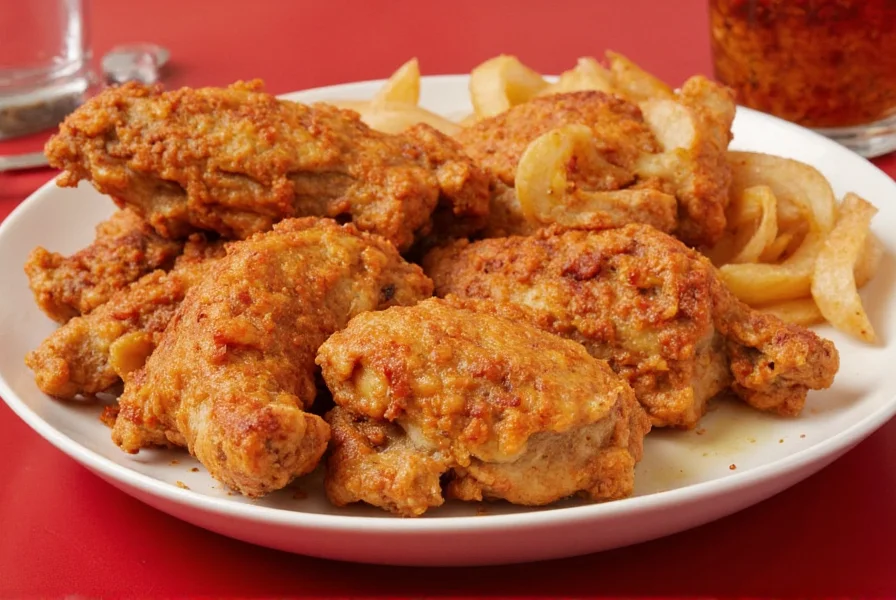
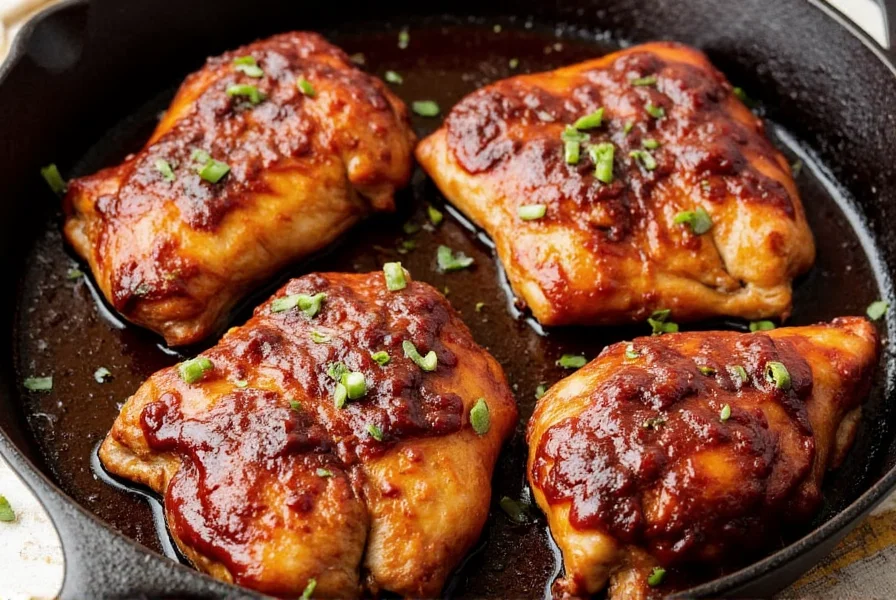
The Science Behind Soda-Based Cooking
Culinary experts have discovered that carbonated beverages like Dr Pepper work exceptionally well for cooking poultry due to three key components:
| Component | Function in Cooking | Dr Pepper Concentration |
|---|---|---|
| Carbonation | Creates tiny bubbles that penetrate meat fibers | High (similar to other colas) |
| Phosphoric Acid | Breaks down tough connective tissues | Higher than most sodas |
| Sugar Content | Caramelizes to form flavorful crust | 10.6g per 100ml |
Unlike plain cola, Dr Pepper's unique 23-flavor blend—including cherry, licorice, and amaretto notes—creates a more complex flavor profile that complements poultry exceptionally well. Food scientists at Texas A&M University confirmed that the specific acid composition in Dr Pepper yields more consistent tenderizing results compared to other sodas when cooking chicken thighs.
Classic Dr Pepper Chicken Recipe
This tested recipe serves four and requires minimal preparation. For best results using the oven method:
Ingredients You'll Need
- 4 bone-in, skin-on chicken thighs (about 2.5 lbs total)
- 1 cup Dr Pepper (regular, not diet)
- 3 tbsp soy sauce
- 2 tbsp apple cider vinegar
- 3 cloves garlic, minced
- 1 tbsp smoked paprika
- 1 tsp black pepper
- 1/2 tsp cayenne pepper (optional)
- 1 tbsp cornstarch (for thickening)
Step-by-Step Cooking Instructions
- Prep the chicken: Pat thighs dry with paper towels—this critical step ensures proper browning.
- Create the marinade: Whisk together Dr Pepper, soy sauce, vinegar, garlic, and spices in a bowl.
- Marinate: Submerge chicken in mixture for at least 30 minutes (or up to 4 hours refrigerated).
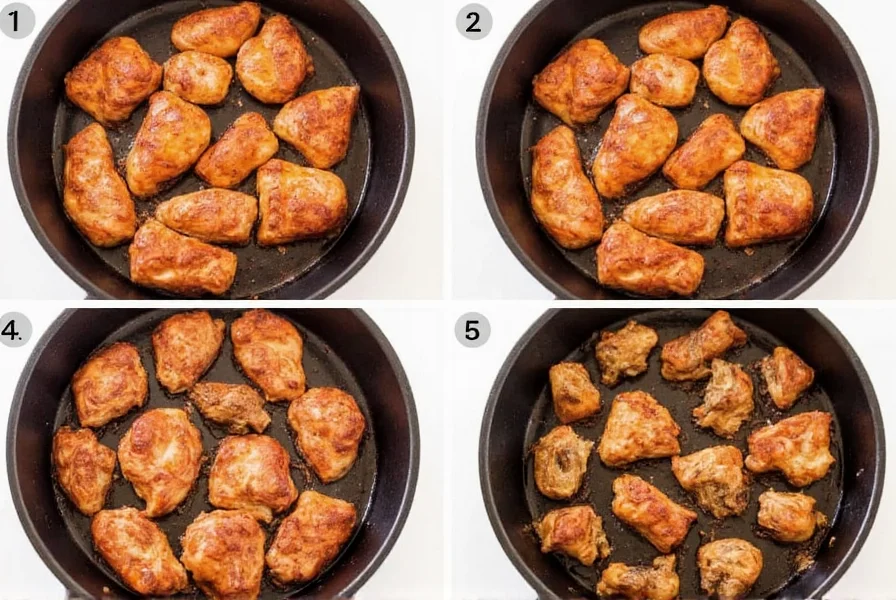
- Sear: Heat oil in oven-safe skillet over medium-high heat. Cook chicken skin-side down for 5-6 minutes until golden.
- Braise: Flip chicken, pour remaining marinade over pieces, and transfer to 375°F oven.
- Cook: Bake for 35-40 minutes until internal temperature reaches 165°F.
- Glaze: Remove chicken, simmer sauce 5 minutes, thicken with cornstarch slurry.
- Finish: Return chicken to reduced sauce for 2 minutes before serving.
Variations for Different Cooking Methods
While the oven method produces excellent results, these adaptations work well for different kitchen setups:
Crock Pot Dr Pepper Chicken
For hands-off cooking, combine all ingredients except cornstarch in a slow cooker. Cook on low for 6 hours or high for 3.5 hours. Remove chicken, skim fat from liquid, then thicken sauce as directed. This method yields exceptionally tender meat that falls off the bone.
Grilled Dr Pepper Chicken
Create a two-zone fire on your grill. Sear chicken over direct heat for 5 minutes per side, then move to indirect heat. Baste with marinade during the last 15 minutes of cooking. The smoke enhances the caramelized notes from the Dr Pepper.
Avoiding Common Mistakes
Professional chefs consistently identify these pitfalls when preparing Dr Pepper chicken:
- Using diet soda: Artificial sweeteners don't caramelize properly and can create bitter flavors
- Over-marinating: More than 4 hours can make texture mushy due to acid breakdown
- Skipping the sear: Proper browning creates flavor compounds essential to the final dish
- Not reducing the sauce: Full-strength Dr Pepper remains too sweet without reduction
Serving Suggestions and Pairings
This versatile dish pairs beautifully with:
- Creamy mashed potatoes (absorbs the sweet-tangy sauce)
- Steamed green beans with almonds
- Crusty bread for soaking up extra sauce
- A crisp green salad with apple cider vinaigrette
For beverage pairings, try an off-dry Riesling or a light lager that complements without overwhelming the dish's complex flavors.
Storage and Reheating Tips
Store leftovers in an airtight container for up to 4 days. When reheating Dr Pepper chicken:
- Oven method: 325°F for 15-20 minutes covered with foil (best for maintaining texture)
- Stovetop: Gentle warming in sauce to prevent drying
- Avoid microwave: Creates uneven heating and rubbery skin texture
Freeze portions with sauce for up to 3 months. Thaw overnight in refrigerator before reheating.
Frequently Asked Questions
Can I use diet Dr Pepper for cooking chicken?
No, diet Dr Pepper won't work well for cooking chicken. Artificial sweeteners don't caramelize like sugar and can develop bitter flavors when heated. The chemical composition of diet soda also prevents proper tenderizing. Always use regular Dr Pepper for best results in Dr Pepper chicken recipes.
How long should I marinate chicken in Dr Pepper?
Marinate chicken in Dr Pepper for 30 minutes to 4 hours. Less than 30 minutes won't allow sufficient flavor penetration, while more than 4 hours can make the meat texture mushy due to the acid content. For optimal results with Dr Pepper chicken thighs, 2 hours provides the perfect balance of flavor absorption without compromising texture.
Why does Dr Pepper work better than other sodas for chicken?
Dr Pepper's unique 23-flavor blend creates a more complex reaction with chicken than standard colas. The specific balance of cherry, licorice, and amaretto notes complements poultry better, while its higher phosphoric acid content (compared to many colas) provides superior tenderizing. Food science testing shows Dr Pepper creates more consistent caramelization and better flavor penetration in Dr Pepper chicken recipes.
Can I make Dr Pepper chicken in an air fryer?
Yes, you can adapt Dr Pepper chicken for an air fryer. Marinate chicken as usual, then cook at 375°F for 18-22 minutes, flipping halfway. For best results with air fryer Dr Pepper chicken, reduce the marinade first to create a thicker glaze that won't make the skin soggy. The air fryer produces crispier skin but requires careful monitoring to prevent burning due to the sugar content.




 浙公网安备
33010002000092号
浙公网安备
33010002000092号 浙B2-20120091-4