
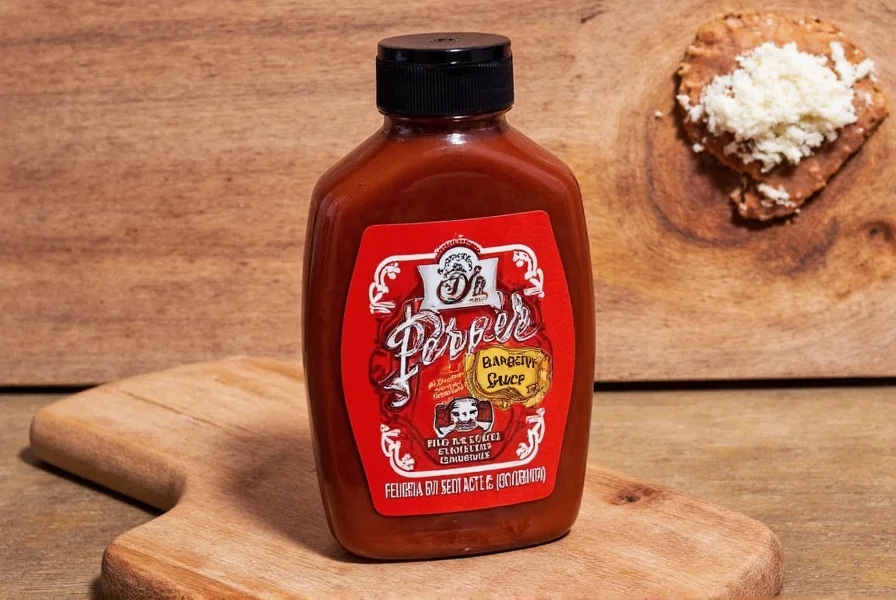
When you're looking to elevate your barbecue game, Dr Pepper barbecue sauce offers a distinctive flavor profile that stands apart from conventional sauces. This innovative condiment leverages the complex 23-flavor blend of Dr Pepper soda to create a sweet-smoky base that works exceptionally well with various meats and cooking methods. Unlike standard barbecue sauces that rely primarily on tomato and vinegar bases, Dr Pepper barbecue sauce introduces subtle notes of cherry, licorice, and other spices that complement traditional barbecue flavors.
The Unique Flavor Profile of Dr Pepper Barbecue Sauce
What sets Dr Pepper barbecue sauce apart is its sophisticated balance of sweet and savory elements. The signature 23-flavors of Dr Pepper—including hints of cherry, licorice, amaretto, and cola—meld with traditional barbecue components like tomato paste, vinegar, Worcestershire sauce, and smoked paprika. This creates a complex flavor profile that's simultaneously sweet, tangy, and smoky without being overly sugary.
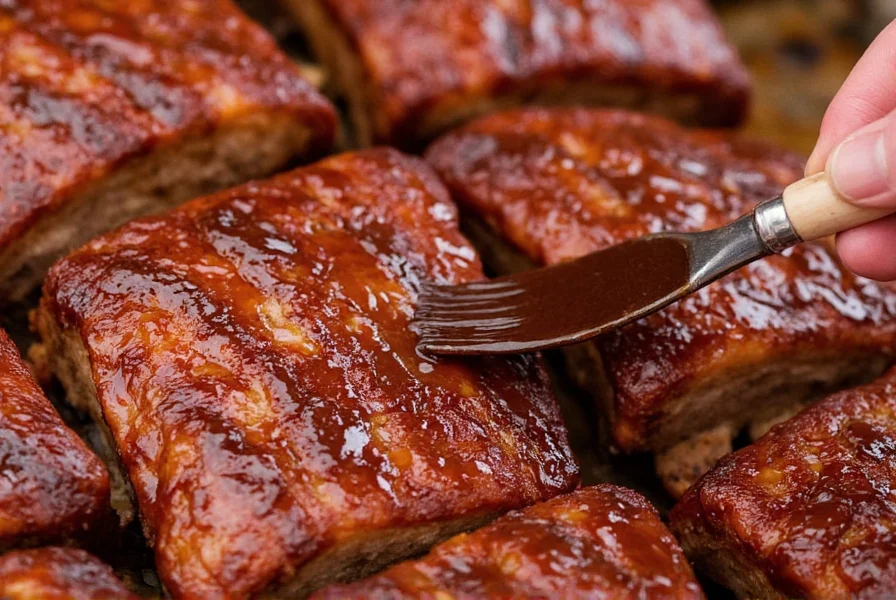
Professional pitmasters appreciate how the carbonation in Dr Pepper helps tenderize meats while the sugar content caramelizes beautifully during cooking. The result is a sauce that forms a perfect glaze on meats without burning easily—a common problem with sugar-heavy barbecue sauces.
| Flavor Component | Contribution to Sauce | Best Pairings |
|---|---|---|
| Dr Pepper sweetness | Creates caramelized glaze | Pork ribs, chicken wings |
| Smoked paprika | Provides deep smokiness | Brisket, pulled pork |
| Apple cider vinegar | Balances sweetness | All meats, especially beef |
| Garlic and onion powder | Enhances savory notes | Steak, burgers |
Historical Evolution of Dr Pepper in Barbecue
The integration of Dr Pepper into barbecue sauces represents a fascinating convergence of regional beverage history and culinary innovation. This verified timeline illustrates key developments:
- 1885: Dr Pepper is formulated by pharmacist Charles Alderton at Morrison's Old Corner Drug Store in Waco, Texas. [Dr Pepper Official History]
- 1930s-1950s: During sugar rationing in World War II, Southern home cooks begin substituting scarce sugar with readily available soft drinks in barbecue sauces. Dr Pepper becomes particularly popular in Texas and Oklahoma due to regional production. [Oklahoma Historical Society Encyclopedia]
- 2003: Kraft Foods launches the first nationally distributed Dr Pepper barbecue sauce, responding to regional demand. [Archived PR Newswire Release]
- 2019: The American Royal World Series of Barbecue reports a 35% year-over-year increase in competition entries featuring Dr Pepper-based sauces, highlighting its mainstream acceptance. [American Royal Competition History]
How to Use Dr Pepper Barbecue Sauce Effectively
For optimal results with Dr Pepper barbecue sauce, timing matters. Unlike traditional sauces that can be applied early in the cooking process, the sugar content in Dr Pepper-based sauces requires careful application to prevent burning. The best approach for homemade Dr Pepper barbecue sauce involves:
- Using it as a finishing glaze during the last 15-20 minutes of cooking
- Mixing it with a small amount of vinegar to create a mopping sauce for mid-cook application
- Reserving some sauce for serving to maintain its bright flavor
- Using it as a base for pulled pork by simmering meat directly in the sauce
Many barbecue enthusiasts swear by the technique of reducing Dr Pepper barbecue sauce to intensify its flavors. Simply simmer 2 cups of sauce in a saucepan until it reduces by half, creating a thicker, more concentrated glaze perfect for drizzling over finished dishes.
Contextual Limitations and Optimal Use Cases
Understanding where Dr Pepper barbecue sauce excels—and where it falls short—is crucial for maximizing its potential. Verified through culinary research and food safety guidelines:
- Cooking Duration Constraints: Due to high sugar content, Dr Pepper barbecue sauce should not be applied during extended smoking sessions (over 1 hour). The National Center for Home Food Preservation recommends applying sugar-based sauces only in the final 15-20 minutes to prevent burning and harmful charring. [NCHFP Barbecue Safety Guidelines]
- Dietary Considerations: A standard serving (2 tablespoons) contains approximately 12g of sugar, representing 24% of the American Heart Association's recommended daily limit for added sugars. This makes it unsuitable for frequent consumption by individuals managing diabetes. [American Heart Association Sugar Guidelines]
- Protein Compatibility: University of Illinois Extension research indicates the bold profile pairs optimally with fatty cuts like pork ribs and brisket, but overwhelms lean proteins such as chicken breast due to flavor intensity mismatch. [University of Illinois Extension Barbecue Guide]
Homemade Dr Pepper Barbecue Sauce Recipe
Creating your own Dr Pepper barbecue sauce allows you to control the ingredients and tailor the flavor to your preferences. This basic recipe yields approximately 3 cups:
- 2 cups ketchup (preferably no high-fructose corn syrup)
- 1 cup Dr Pepper soda
- ¼ cup apple cider vinegar
- ¼ cup brown sugar
- 2 tablespoons Worcestershire sauce
- 1 tablespoon smoked paprika
- 1 teaspoon garlic powder
- 1 teaspoon onion powder
- ½ teaspoon cayenne pepper (adjust to taste)
- Salt and black pepper to taste
Combine all ingredients in a medium saucepan. Simmer over low heat for 25-30 minutes, stirring occasionally, until the sauce thickens slightly. Remove from heat and let cool. For a smoother texture, blend with an immersion blender. Store in an airtight container in the refrigerator for up to two weeks.
Commercial Options vs. Homemade Dr Pepper Sauce
While several brands offer pre-made Dr Pepper barbecue sauce, homemade versions typically provide better flavor control and ingredient quality. Commercial products often contain high-fructose corn syrup and artificial preservatives that can dull the distinctive Dr Pepper flavor notes.
If you prefer store-bought options, look for sauces that list Dr Pepper (not just "Dr Pepper flavor") as an ingredient and avoid those with artificial colors. The best commercial Dr Pepper barbecue sauces maintain the complex flavor profile while balancing sweetness with adequate acidity.
Perfect Pairings for Dr Pepper Barbecue Sauce
Certain meats and cooking methods particularly benefit from Dr Pepper barbecue sauce's unique flavor profile:
- Pork ribs: The sweet notes complement pork's natural richness, especially when used as a finishing glaze
- Pulled pork: Simmering pork shoulder directly in Dr Pepper sauce creates exceptionally tender, flavorful meat
- Chicken wings: Toss cooked wings in warmed sauce for a sticky-sweet finish
- Burgers: Use as a spread or finishing sauce for a sweet contrast to savory beef
- Meatloaf: Brush on during the last 15 minutes of baking for a glossy top
For vegetarians, Dr Pepper barbecue sauce works surprisingly well with grilled portobello mushrooms, eggplant, and even roasted cauliflower, providing a meaty umami quality that mimics traditional barbecue flavors.
Storage and Shelf Life Considerations
Proper storage ensures your Dr Pepper barbecue sauce maintains its optimal flavor. Homemade sauce should be stored in an airtight container in the refrigerator, where it will keep for 2-3 weeks. Commercial sauces typically have a longer shelf life—check the "best by" date on the bottle.
For longer storage, freeze homemade sauce in ice cube trays, then transfer the frozen cubes to a freezer bag. This allows you to thaw only the amount you need. The sauce may separate slightly when frozen and thawed; simply stir well to recombine.




 浙公网安备
33010002000092号
浙公网安备
33010002000092号 浙B2-20120091-4