
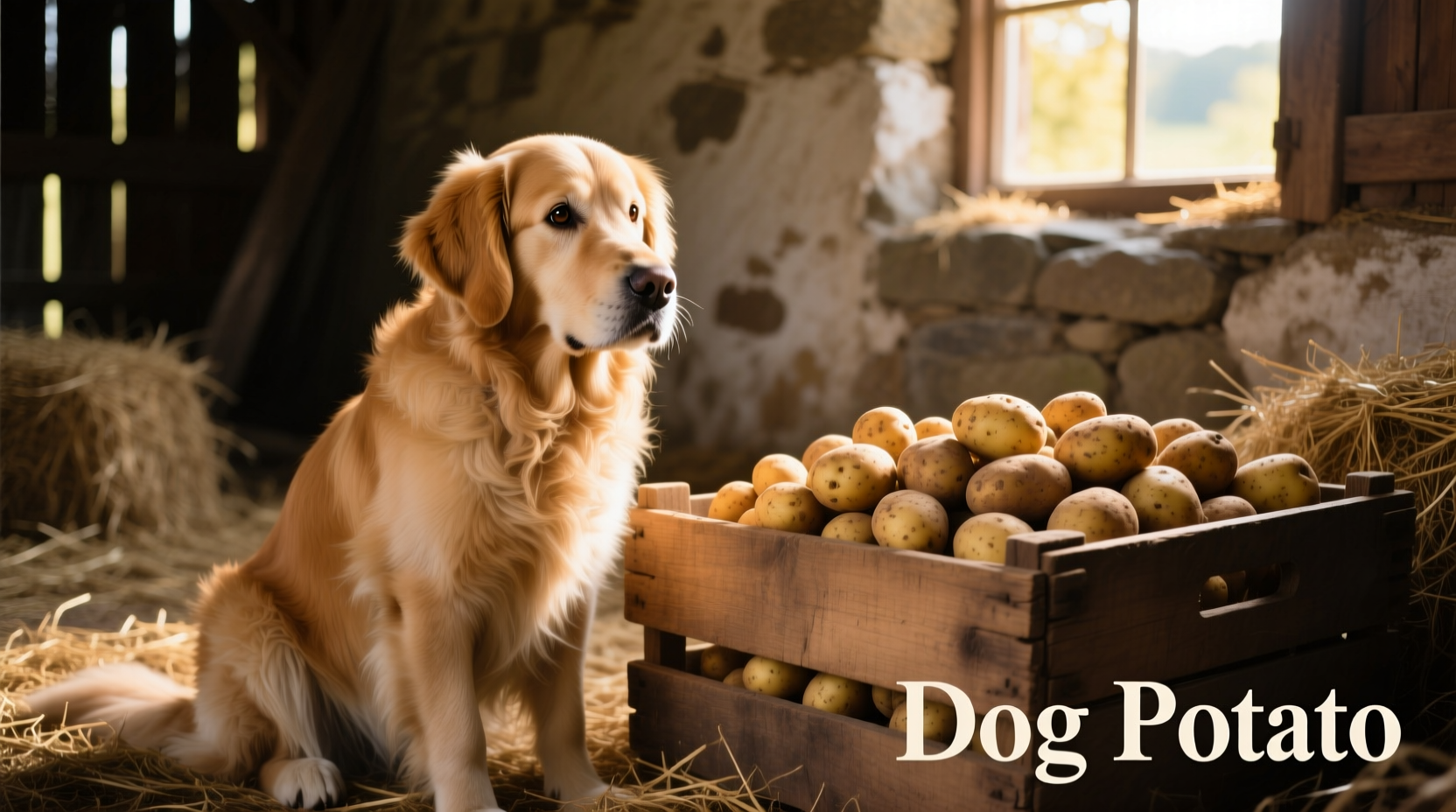
Understanding Potatoes in Canine Nutrition
When dog owners search for information about potatoes and pets, they're typically concerned about safety and proper dietary inclusion. As a culinary professional with expertise in food chemistry, I've researched how human foods interact with different biological systems—including our canine companions. This guide provides evidence-based information to help you make informed decisions about feeding potatoes to your dog.
Why Potato Safety Matters for Dogs
Dogs often scavenge human food, and potatoes are common in households. Understanding which forms are safe prevents accidental poisoning. The ASPCA Animal Poison Control Center lists raw potatoes and potato plants among toxic foods for dogs due to solanine content. This naturally occurring glycoalkaloid protects the plant but can cause gastrointestinal distress, neurological issues, and even cardiac problems in dogs when consumed in sufficient quantities.
| Potato Form | Solanine Level | Safe for Dogs? | Recommended Serving |
|---|---|---|---|
| Raw potato | High | No | Avoid completely |
| Cooked potato (peeled) | Negligible | Yes (in moderation) | 1-2 small cubes per 10 lbs body weight |
| Potato skins | Moderate-High | No | Avoid |
| Green potatoes | Very High | No | Avoid completely |
Safe Preparation Methods for Dogs
Proper preparation transforms potentially dangerous potatoes into safe, occasional treats:
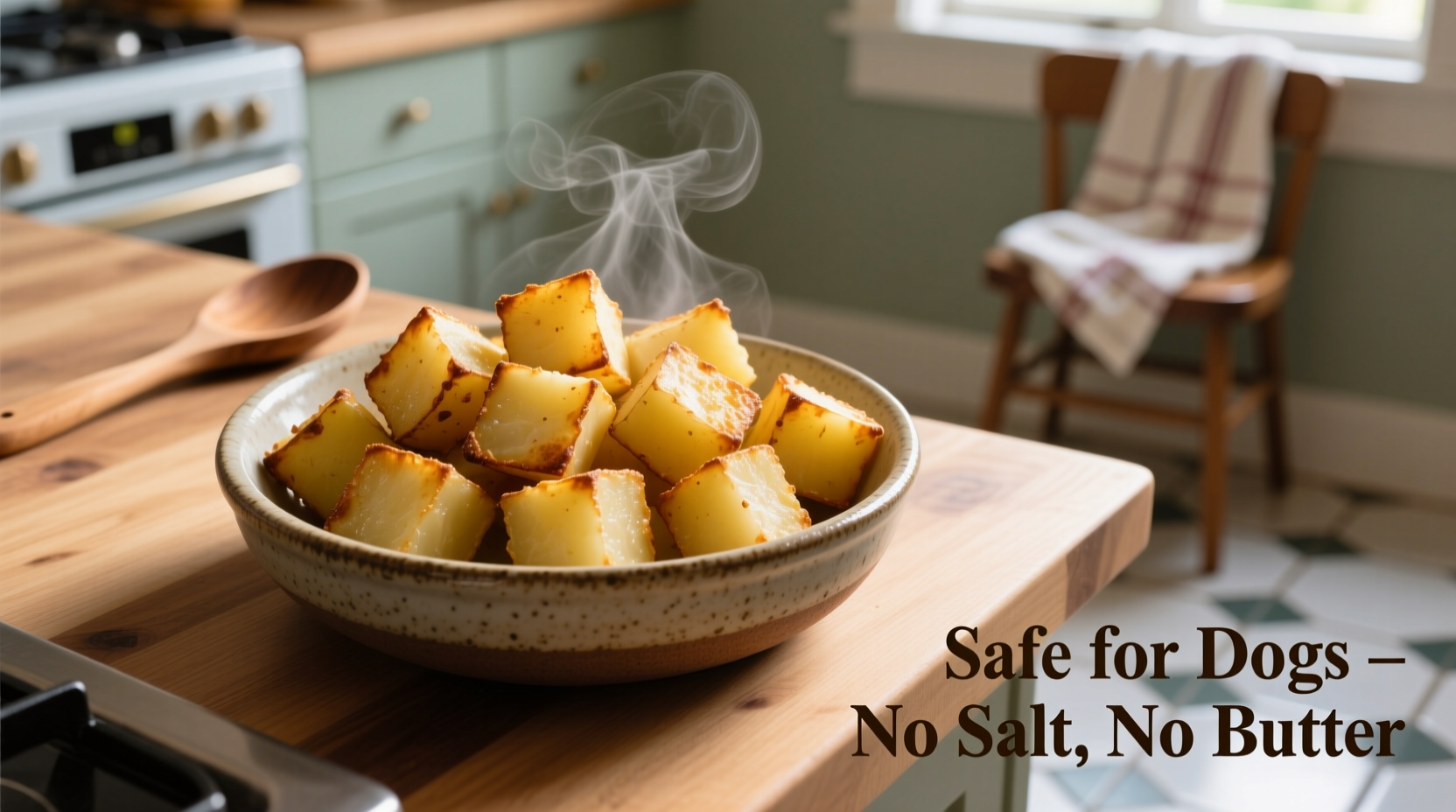
- Always cook thoroughly — Boiling or baking eliminates solanine
- Remove all skins — Potato skins concentrate solanine and are difficult to digest
- Avoid seasonings — No salt, butter, garlic, or onion (all toxic to dogs)
- Cut into small pieces — Prevents choking and aids digestion
- Start with small portions — Monitor for digestive upset before offering more
Nutritional Benefits When Prepared Correctly
When properly prepared, potatoes offer some nutritional value for dogs:
- Vitamin C supports immune function
- Potassium aids muscle and nerve function
- Dietary fiber promotes healthy digestion
- Complex carbohydrates provide sustained energy
However, potatoes should never replace balanced dog food. The Association of American Feed Control Officials emphasizes that commercial dog foods provide complete nutrition, while human foods like potatoes should only be occasional supplements.
Critical Safety Considerations
Understanding context boundaries prevents dangerous misunderstandings about potato safety:
- Raw potatoes are always unsafe — Even small amounts can cause vomiting and diarrhea
- Potato plants are highly toxic — All parts of the growing plant contain dangerous solanine levels
- Green potatoes indicate high toxicity — Exposure to light increases solanine production
- Diabetic dogs require special caution — Potatoes have high glycemic index
- Some breeds are more sensitive — Irish Setters and other herding breeds may have additional carbohydrate sensitivities
When to Avoid Potatoes Completely
Certain situations warrant complete avoidance of potatoes in your dog's diet:
- Dogs with pancreatitis or obesity
- Puppies under 6 months old
- Dogs with known carbohydrate sensitivities
- When any gastrointestinal issues are present
The American Veterinary Medical Association recommends consulting your veterinarian before introducing any new food, especially for dogs with pre-existing health conditions.
Better Vegetable Alternatives for Dogs
If you're looking for safer vegetable treats, consider these vet-approved options:
- Cooked carrots (excellent for dental health)
- Green beans (low calorie, high fiber)
- Cucumber slices (hydrating, low calorie)
- Plain pumpkin (aids digestion)
These alternatives provide similar nutritional benefits without the solanine risk associated with potatoes.
Common Misconceptions Clarified
Several myths persist about dogs and potatoes that need clarification:
- "Sweet potatoes are the same as regular potatoes" — False. Sweet potatoes belong to a different plant family and don't contain solanine, making them generally safer (though still requiring proper preparation)
- "A small amount of raw potato won't hurt" — Dangerous. Solanine toxicity varies by dog size and sensitivity
- "Potato-based dog foods are unsafe" — Misleading. Commercial dog foods use specially processed potato ingredients at safe levels




 浙公网安备
33010002000092号
浙公网安备
33010002000092号 浙B2-20120091-4