

When searching for "dog fennel uses," you're likely trying to understand whether this plant has medicinal, culinary, or practical applications. The critical first fact: the term "dog fennel" refers to multiple unrelated plants, including highly toxic species that have caused fatal poisonings. Proper identification is essential before considering any use.
Understanding the Dog Fennel Identity Crisis
The confusion around "dog fennel" stems from inconsistent common naming across regions. Three distinct plants share this misleading label:
- Poison hemlock (Conium maculatum) - Extremely toxic, often mistakenly called dog fennel
- True dog fennel (Eupatorium capillifolium) - Mildly toxic native to southeastern US
- True fennel (Foeniculum vulgare) - Edible herb, sometimes confused due to similar appearance
The most dangerous confusion occurs between poison hemlock and edible plants like wild carrot or true fennel. According to the CDC's National Institute for Occupational Safety and Health, poison hemlock contains coniine alkaloids that can cause respiratory failure and death even in small quantities. This plant famously poisoned Socrates in ancient Greece and remains responsible for accidental poisonings today.
| Plant Common Name | Scientific Name | Toxicity Level | Key Identification Features |
|---|---|---|---|
| Poison Hemlock (often mislabeled as dog fennel) | Conium maculatum | Extremely toxic - potentially fatal | Purple-spotted stems, fern-like leaves, musty odor when crushed, smooth hollow stems |
| True Dog Fennel | Eupatorium capillifolium | Mildly toxic | Thread-like leaves, white flower clusters, strong medicinal odor |
| True Fennel | Foeniculum vulgare | Edible and safe | Yellow flowers, feathery leaves, distinctive anise-like scent |
Why Proper Identification Matters for Safety
The USDA's National Plant Database emphasizes that poison hemlock (frequently misidentified as dog fennel) is one of North America's most dangerous plants. Its toxicity remains potent even when dried, making accidental ingestion through contaminated hay or herbal preparations a serious risk.
Historical records show that during the Victorian era, poison hemlock was sometimes mistakenly used in herbal remedies due to confusion with beneficial plants. Modern medical professionals universally warn against any internal use of plants labeled as "dog fennel" without absolute certainty of species identification.
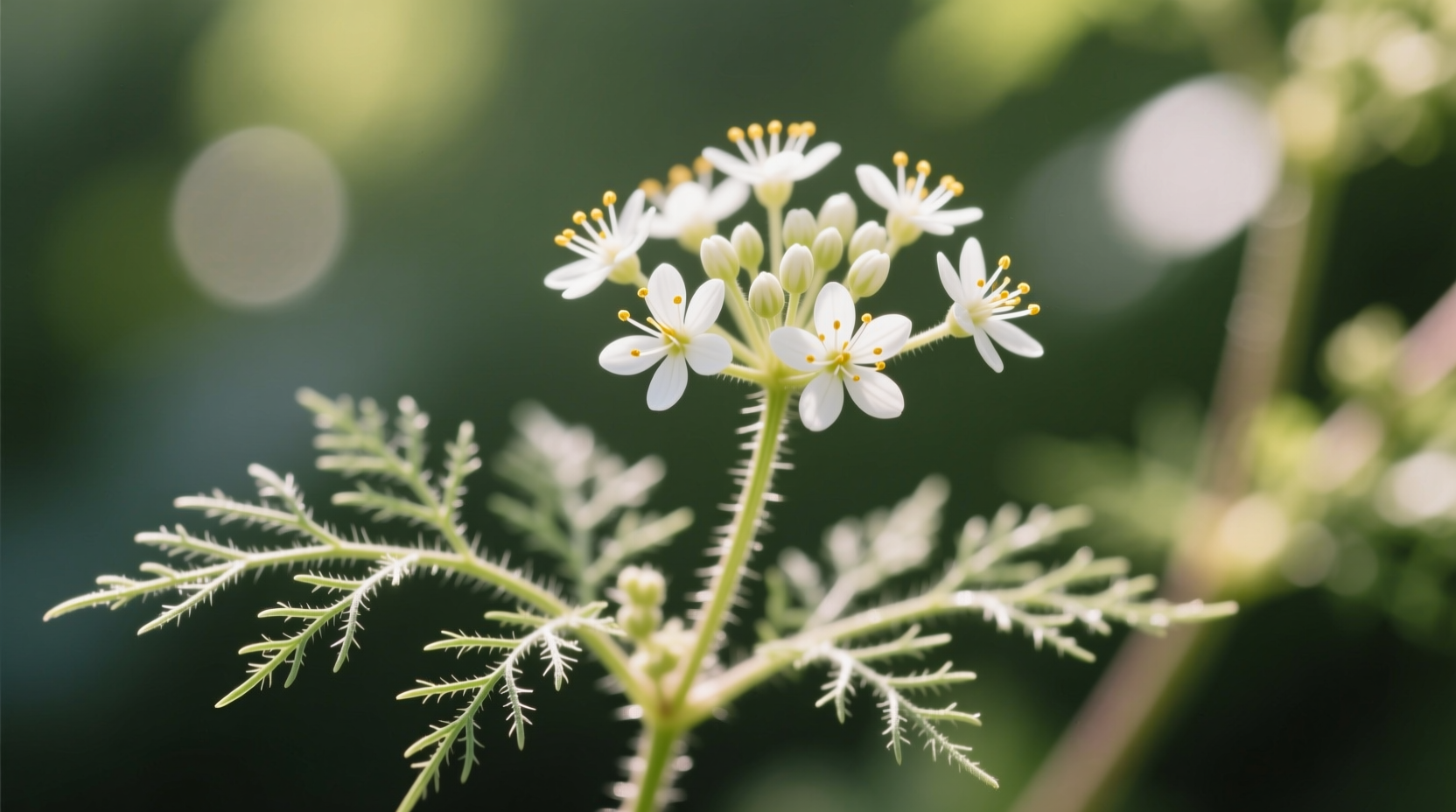
Documented Traditional Applications of True Dog Fennel
Eupatorium capillifolium, the plant botanically recognized as dog fennel, has limited historical applications documented in ethnobotanical records from the southeastern United States. According to research published by the US Forest Service, Native American tribes occasionally used small amounts externally for:
- Mild insect repellent properties when crushed and applied to skin
- Topical wash for minor skin irritations (with significant caution)
- Dried bundles as natural moth repellent in storage areas
Important context: These traditional applications involved careful preparation and external use only. Modern herbalists generally discourage using dog fennel due to potential skin irritation and the risk of confusion with more toxic species.
Critical Safety Guidelines for Handling Dog Fennel Varieties
If you encounter plants labeled as dog fennel, follow these evidence-based safety protocols from university extension services:
- Never ingest any plant labeled as dog fennel without absolute species confirmation by a botanist
- Wear gloves when handling—skin contact with poison hemlock can cause irritation
- Teach children the difference between toxic look-alikes and edible plants
- Consult experts before using any wild plant for practical applications
The University of Florida's Institute of Food and Agricultural Sciences notes that dog fennel (Eupatorium capillifolium) has become problematic as an invasive species in pastures, where it can cause mild toxicity in livestock when consumed in large quantities.
Practical Alternatives for Safe Applications
Instead of risking confusion with toxic varieties, consider these safe alternatives for common applications:
- For insect repellent: Use citronella or lemongrass essential oils properly diluted
- For medicinal applications: Consult a healthcare provider about evidence-based herbal remedies
- For culinary uses: Choose certified true fennel (Foeniculum vulgare) from reputable sources
Remember that proper plant identification requires examining multiple characteristics—not just flowers or leaves. The Native Plant Society recommends using botanical keys and consulting local experts rather than relying on common names alone.
Debunking Common Misconceptions About Dog Fennel
Several persistent myths create dangerous misunderstandings about dog fennel uses:
- Myth: "All fennel varieties are safe to eat"
- Reality: Poison hemlock (often mislabeled as dog fennel) contains deadly toxins unrelated to true fennel
- Myth: "Traditional uses prove dog fennel is safe"
- Reality: Historical applications were limited, external, and often involved significant risk
- Myth: "If animals eat it, it must be safe for humans"
- Reality: Some livestock tolerate mild toxins that affect humans differently




 浙公网安备
33010002000092号
浙公网安备
33010002000092号 浙B2-20120091-4