
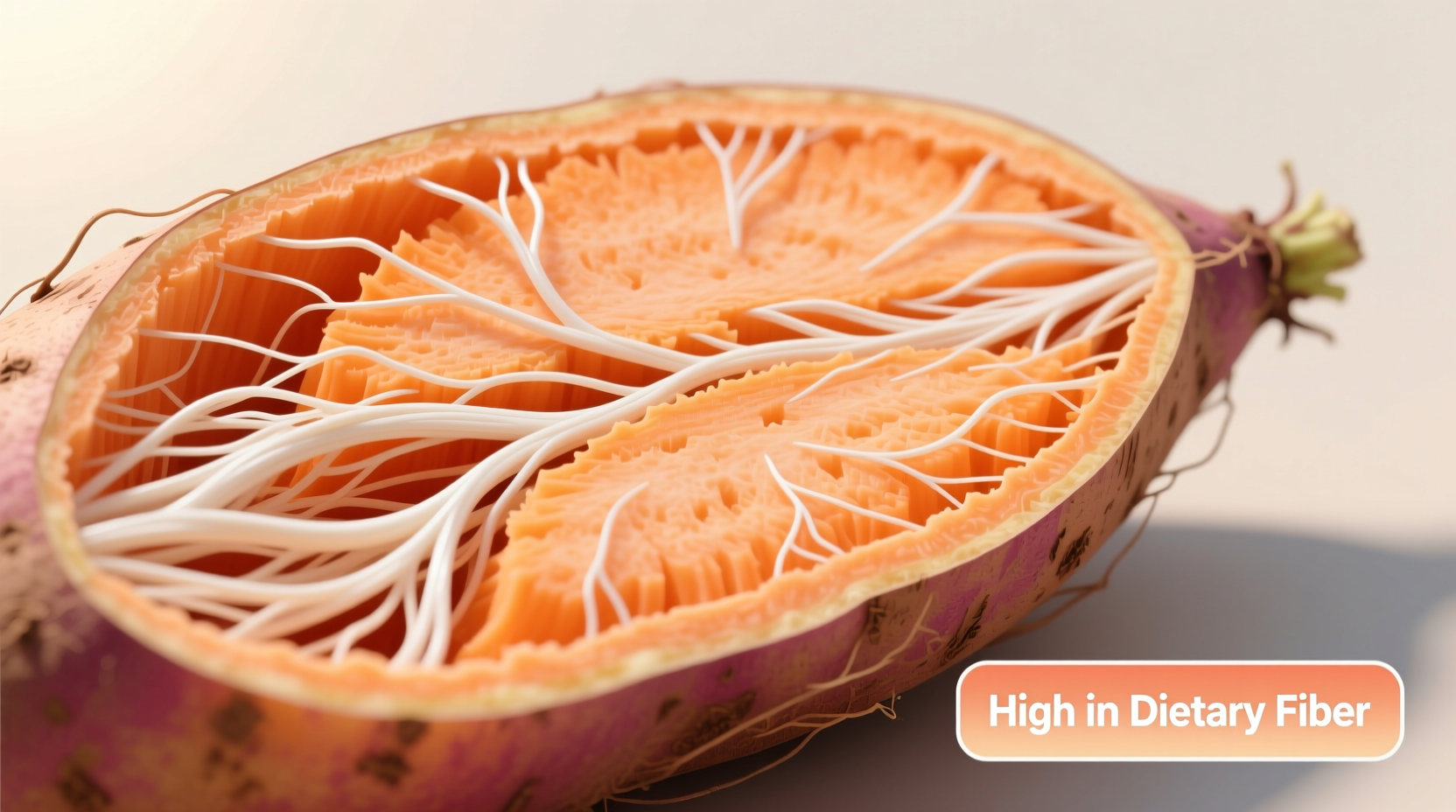
Yes, sweet potatoes are an excellent source of dietary fiber. A single medium-sized sweet potato (130g) contains approximately 3.8 grams of fiber, which provides about 14% of the recommended daily intake for adults. This fiber comes in both soluble and insoluble forms, with most concentrated in the skin. Eating sweet potatoes with their skin intact maximizes your fiber intake while delivering essential vitamins, minerals, and antioxidants.
When you're looking to boost your daily fiber intake with nutrient-dense foods, sweet potatoes stand out as a powerhouse option. Unlike many starchy vegetables, sweet potatoes deliver substantial fiber content alongside their natural sweetness and vibrant color. This comprehensive guide breaks down exactly how much fiber you get from sweet potatoes, why this matters for your health, and practical ways to incorporate them into your diet for maximum benefit.
Understanding Sweet Potato Fiber Content
Sweet potatoes aren't just delicious—they're fiber-rich vegetables that can significantly contribute to your daily nutritional goals. The fiber content varies slightly depending on preparation method, but the core nutritional profile remains impressive across different cooking techniques.
| Preparation Method | Fiber per 130g Serving | Daily Value Percentage | Key Notes |
|---|---|---|---|
| With skin, baked | 3.8g | 14% | Maximum fiber retention |
| Without skin, baked | 2.5g | 9% | Skin contains 35% of total fiber |
| Boiled with skin | 3.6g | 13% | Slight water absorption reduces concentration |
| Microwaved with skin | 3.7g | 14% | Quick method preserving most nutrients |
This nutritional data comes directly from the USDA FoodData Central database, the authoritative source for food composition information in the United States. The fiber content remains relatively stable across different cooking methods, though removing the skin significantly reduces your fiber intake.
Why Sweet Potato Fiber Benefits Your Health
The fiber in sweet potatoes works through your digestive system in two important ways. Soluble fiber forms a gel-like substance that slows digestion and helps regulate blood sugar—particularly valuable given sweet potatoes' natural carbohydrates. Insoluble fiber adds bulk to your stool and helps food pass more quickly through your stomach and intestines.
Research published in the American Journal of Clinical Nutrition shows that diets rich in fiber from whole food sources like sweet potatoes correlate with improved digestive health, better blood sugar control, and reduced risk of heart disease. The combination of fiber, vitamin A, and antioxidants in sweet potatoes creates a synergistic effect that enhances their overall health benefits.

Maximizing Fiber Intake from Sweet Potatoes
To get the most fiber from your sweet potatoes, follow these evidence-based preparation tips:
- Keep the skin on—the skin contains about one-third of the total fiber content
- Avoid overcooking—prolonged boiling can leach some nutrients into water
- Pair with other high-fiber foods—combine with beans, lentils, or leafy greens for a fiber-boosting meal
- Choose appropriate portion sizes—one medium sweet potato provides optimal fiber without excessive carbohydrates
When comparing sweet potatoes to regular potatoes for fiber content, sweet potatoes come out ahead. A medium sweet potato contains about 3.8g of fiber compared to just 2.3g in a similar-sized white potato. This difference becomes even more significant when you eat sweet potatoes with their skin, as many people peel white potatoes before eating.
Sweet Potato Varieties and Fiber Differences
While all sweet potato varieties contain substantial fiber, there are slight differences between types:
- Orange-fleshed varieties (most common in US)—3.8g fiber per medium potato
- Purple-fleshed varieties—slightly higher fiber content at 4.1g per medium potato
- White-fleshed varieties—comparable fiber at 3.7g per medium potato
These variations come from differences in cell wall structure and starch composition. The purple varieties, while slightly higher in fiber, also contain unique anthocyanins that provide additional antioxidant benefits.
Practical Ways to Include More Sweet Potato Fiber
Incorporating sweet potatoes into your daily meals doesn't require complicated recipes. Try these simple approaches that maximize fiber retention:
- Breakfast boost—dice and roast sweet potatoes to add to morning egg scrambles
- Lunch addition—slice thin and bake into sweet potato "chips" to accompany salads
- Dinner staple—substitute mashed sweet potatoes for regular mashed potatoes
- Snack smart—roast whole sweet potatoes for portable, high-fiber snacks
For those managing blood sugar concerns, pairing sweet potatoes with protein sources like chicken, fish, or beans helps moderate the glycemic response while increasing overall meal satisfaction. This approach leverages the fiber content to create more balanced nutrition.
Contextual Considerations for Sweet Potato Fiber
While sweet potatoes offer excellent fiber benefits, certain situations require consideration:
- Individuals with digestive disorders like IBS may need to monitor their intake of certain fiber types
- Those on low-carb diets should account for sweet potatoes' natural sugar content alongside fiber
- People taking certain medications (like blood thinners) should maintain consistent vitamin K intake
- Individual fiber needs vary based on age, gender, and overall health status
The Dietary Guidelines for Americans recommend 14 grams of fiber per 1,000 calories consumed, translating to about 25g daily for women and 38g for men under 50. One sweet potato contributes meaningfully toward these goals while providing additional essential nutrients.
Your Sweet Potato Fiber Integration Plan
Creating a sustainable high-fiber diet with sweet potatoes involves strategic planning. Start with these evidence-based recommendations:
- Weekly goal: Incorporate sweet potatoes 3-4 times per week
- Portion control: One medium sweet potato (130g) per serving
- Preparation variety: Rotate between baking, roasting, and steaming methods
- Meal pairing: Combine with protein sources and non-starchy vegetables
This approach ensures you receive consistent fiber intake while enjoying dietary variety. Over time, this pattern supports digestive health, helps maintain healthy blood sugar levels, and contributes to overall cardiovascular wellness.




 浙公网安备
33010002000092号
浙公网安备
33010002000092号 浙B2-20120091-4