
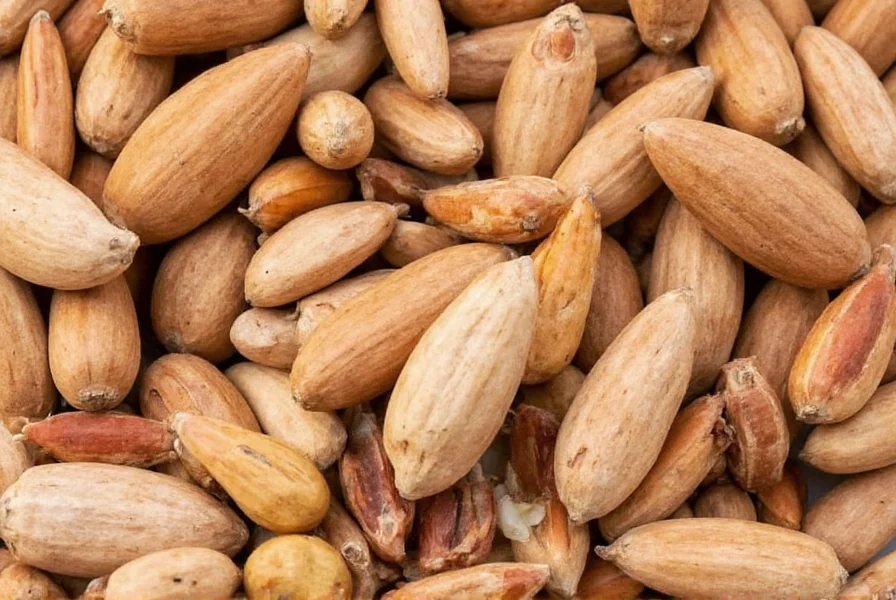
Many people understandably wonder does nutmeg have nuts because of its name. This confusion is particularly important for those managing food allergies. Let's clarify this misconception once and for all with botanical facts and allergy information.
What Exactly Is Nutmeg?
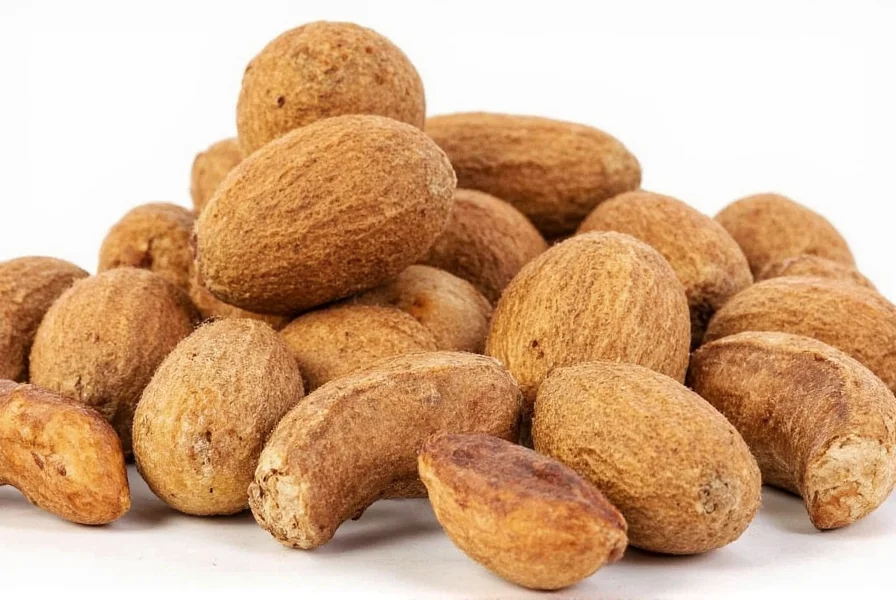
Nutmeg is a spice derived from the seed of the Myristica fragrans tree, a tropical evergreen native to the Banda Islands in Indonesia. The seed is dried and ground to create the nutmeg powder found in spice racks worldwide. Despite containing the word "nut," nutmeg has no botanical relationship to actual nuts like almonds, walnuts, or peanuts.
Why Is It Called Nutmeg?
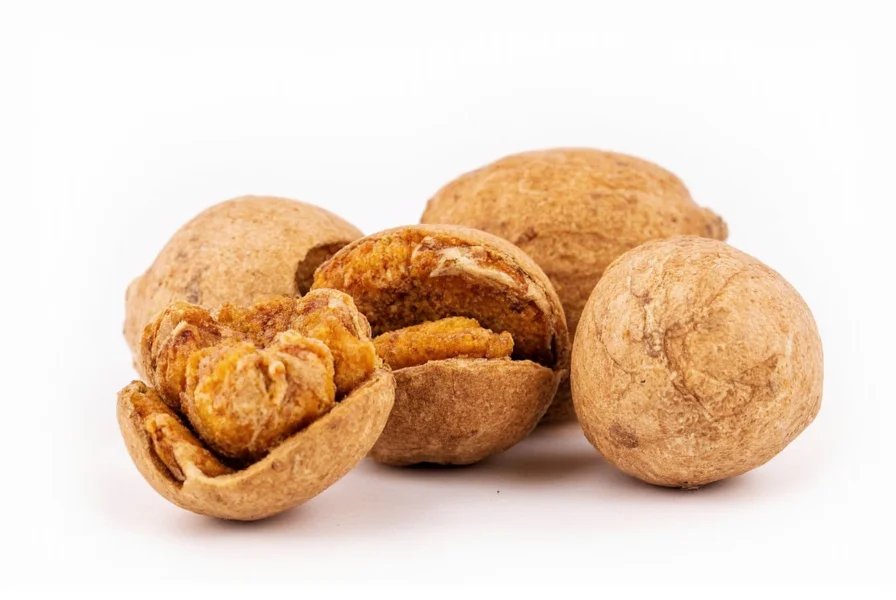
The name "nutmeg" comes from the Old French word nois musqué, meaning "musky nut," which refers to the seed's strong aroma rather than any relation to true nuts. When sliced open, the seed's interior resembles a nut, contributing to the naming confusion. This historical naming convention has caused ongoing confusion about whether nutmeg contains tree nuts.
Botanical Classification: Nutmeg vs. True Nuts
To understand why nutmeg doesn't contain nuts, we need to examine the botanical differences:
| Characteristic | Nutmeg | True Tree Nuts |
|---|---|---|
| Botanical Classification | Seed from Myristica fragrans tree (evergreen) | Fruits from trees like walnut, almond, or cashew |
| Plant Family | Myristicaceae | Various families (Juglandaceae, Rosaceae, etc.) |
| Allergen Proteins | No nut allergens present | Contain specific nut proteins that trigger allergies |
| Common Allergy Concerns | Generally safe for nut allergy sufferers | Can cause severe allergic reactions |
Nutmeg and Nut Allergies: What Research Shows
For individuals asking is nutmeg safe for nut allergy sufferers, the answer is overwhelmingly positive. According to allergists and food safety experts, nutmeg does not contain the proteins that trigger nut allergies. The American College of Allergy, Asthma, and Immunology confirms that nutmeg is not related to tree nuts and is generally safe for people with nut allergies.
However, always check with your allergist if you have specific concerns. While nutmeg itself is safe, some pre-packaged spice blends might contain cross-contamination warnings if processed in facilities that handle nuts.
Common Misconceptions About Nutmeg
Several myths persist about nutmeg and nuts:
- Myth: Nutmeg contains nuts because of its name
- Fact: The name refers to appearance and aroma, not botanical relation
- Myth: People with nut allergies should avoid nutmeg
- Fact: Nutmeg allergy is extremely rare and unrelated to nut allergies
- Myth: Mace (made from nutmeg's outer layer) contains nuts
- Fact: Mace is equally safe as it comes from the same seed
Practical Advice for Allergy Management
If you're managing nut allergies and wondering does nutmeg contain tree nuts, here are practical steps:
- Read labels carefully for cross-contamination warnings
- When dining out, ask if nutmeg is used in dishes
- Use whole nutmeg and grind it yourself to avoid potential cross-contamination in pre-ground spices
- Consult with your allergist about including nutmeg in your diet
Remember that while nutmeg is safe, some people may have a separate allergy to nutmeg itself, though this is uncommon. Symptoms would include itching, swelling, or digestive issues after consumption.
Other Spices That Cause Similar Confusion
Nutmeg isn't the only spice that causes naming confusion:
- Peanut oil: Despite the name, highly refined peanut oil is generally safe for peanut allergy sufferers
- Water chestnuts: Not nuts at all, but aquatic vegetables
- Butternut squash: A vegetable, not related to tree nuts
- Coconut: Technically a fruit, though classified as a tree nut by the FDA for labeling purposes
When evaluating any food product, always check the actual ingredients rather than relying solely on names that might be misleading.
Conclusion
The question does nutmeg have nuts has a clear answer: no. Nutmeg is a seed spice with no relation to tree nuts or peanuts. This information is crucial for individuals managing nut allergies who want to enjoy a varied diet without unnecessary restrictions. Always verify with your healthcare provider if you have specific allergy concerns, but rest assured that nutmeg itself contains no nut proteins and is generally considered safe for those with nut allergies.




 浙公网安备
33010002000092号
浙公网安备
33010002000092号 浙B2-20120091-4