
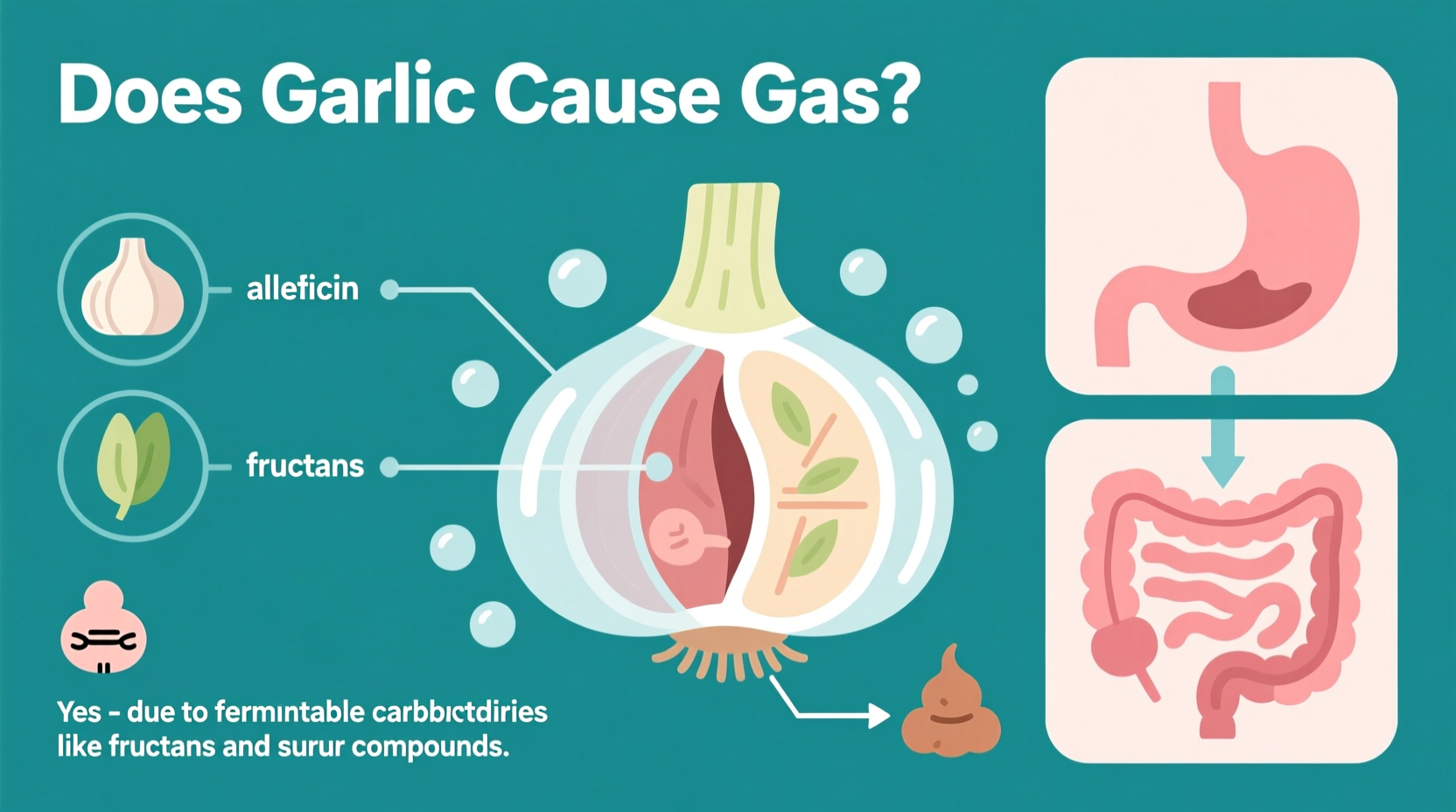
Garlic isn't just a kitchen staple—it's a digestive double-edged sword. While celebrated for its health benefits and flavor-enhancing properties, this pungent bulb frequently triggers uncomfortable gas and bloating for countless consumers. Understanding why this happens and how to manage it can transform your relationship with one of the world's most beloved seasonings.
The Science Behind Garlic's Gas-Producing Properties
Garlic contains significant amounts of fructans, which belong to the FODMAP (Fermentable Oligosaccharides, Disaccharides, Monosaccharides, and Polyols) family of carbohydrates. Unlike simple sugars, these complex carbohydrates resist digestion in the small intestine. When they reach the large intestine, gut bacteria ferment them, producing hydrogen, methane, and carbon dioxide gases as byproducts.
According to research published in the Journal of Gastroenterology and Hepatology, fructans in garlic demonstrate particularly high fermentability compared to other common FODMAP sources. This explains why even small amounts of raw garlic can trigger symptoms in sensitive individuals, while larger servings often cause noticeable discomfort in the general population.
| Food Item | Fructan Content (per 100g) | Common Gas Severity |
|---|---|---|
| Raw garlic | 2.9g | High |
| Cooked garlic | 1.7g | Moderate |
| Onion | 2.4g | High |
| Wheat bread | 1.1g | Moderate |
This comparative analysis from Monash University's Low FODMAP Diet research shows garlic's exceptionally high fructan concentration compared to other common gas-producing foods. The table illustrates why garlic often ranks among the top dietary triggers for digestive discomfort.
Who's Most Affected by Garlic-Induced Gas?
Not everyone experiences gas from garlic consumption. Several factors determine your susceptibility:
- Irritable Bowel Syndrome (IBS) diagnosis—Up to 75% of IBS patients report garlic as a symptom trigger according to the International Foundation for Gastrointestinal Disorders
- Gut microbiome composition—Individuals with higher populations of gas-producing bacteria experience more pronounced effects
- Enzyme production levels—Some people naturally produce less of the enzymes needed to break down fructans
- Consumption method—Raw garlic causes more issues than cooked, and whole cloves less problematic than minced or powdered forms
Practical Strategies to Enjoy Garlic Without the Gas
Before eliminating this beneficial ingredient from your diet, try these evidence-based approaches that allow most people to enjoy garlic with reduced digestive consequences:
Optimize Your Preparation Method
Cooking significantly reduces garlic's gas-producing potential. The National Center for Complementary and Integrative Health explains that heat breaks down some fructans while preserving beneficial allicin compounds. Try these techniques:
- Roasting whole bulbs—This method caramelizes sugars while reducing FODMAP content by up to 40%
- Using garlic-infused oil—The fat-soluble beneficial compounds transfer to oil while fructans remain in the solid garlic
- Removing the germ—The green sprout in the center contains higher concentrations of problematic compounds
Control Your Portions Strategically
Research from the Mayo Clinic shows that most people can tolerate small amounts of garlic without symptoms. Start with these portion guidelines:
- 1 small clove (about 3g) of cooked garlic per meal
- Limit to 2-3 servings per day if sensitive
- Introduce gradually if following a low-FODMAP reintroduction phase
Support Your Digestion
Enhance your body's ability to process garlic with these complementary approaches:
- Pair with digestive-friendly herbs like ginger or mint
- Consume with probiotic-rich foods to balance gut bacteria
- Consider enzyme supplements containing alpha-galactosidase before meals
- Stay hydrated to help move food through your digestive tract
When Garlic Gas Signals Something More Serious
While occasional gas after eating garlic is normal, certain symptoms warrant medical attention. Consult a healthcare provider if you experience:
- Persistent abdominal pain lasting more than 24 hours
- Severe bloating that doesn't improve with standard remedies
- Unintentional weight loss alongside digestive symptoms
- Blood in stool or significant changes in bowel habits
These could indicate underlying conditions like small intestinal bacterial overgrowth (SIBO), fructose malabsorption, or other digestive disorders that require professional diagnosis and treatment.
Garlic Alternatives for Sensitive Digestions
If you must significantly reduce garlic consumption, consider these flavorful alternatives that provide similar culinary benefits without the gas:
- Asafoetida (hing)—A traditional Indian spice with similar savory qualities but minimal FODMAP content
- Chives—Provide mild onion-garlic flavor with significantly lower fructan levels
- Garlic-infused oil—Captures flavor without the problematic carbohydrates
- Black garlic—Fermented garlic with altered carbohydrate profile that's better tolerated
Remember that individual tolerance varies considerably. What causes severe gas for one person might be perfectly manageable for another. The key is understanding your personal threshold and working within it to enjoy garlic's many benefits.




 浙公网安备
33010002000092号
浙公网安备
33010002000092号 浙B2-20120091-4