
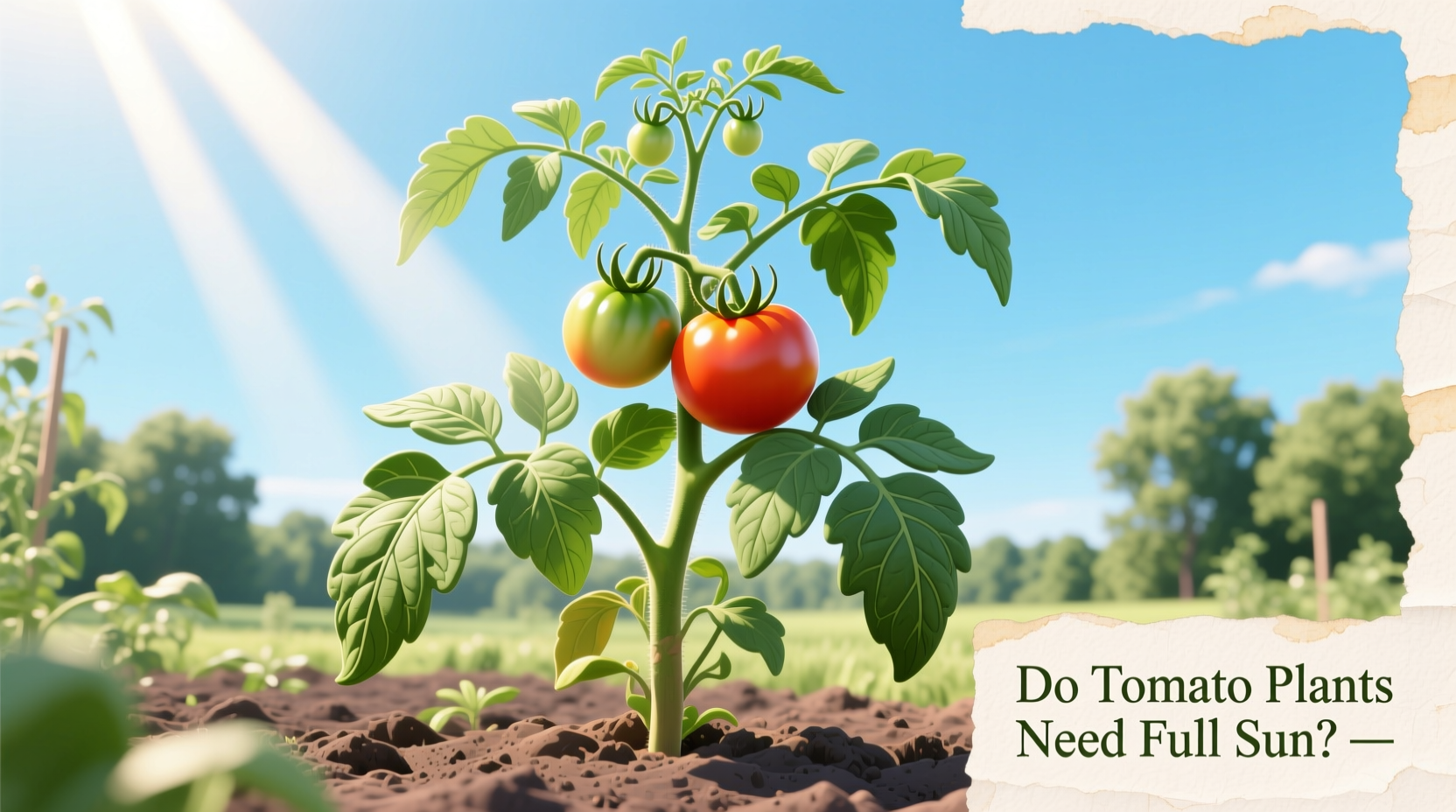
The Essential Sunlight Requirements for Thriving Tomato Plants
Understanding exactly how much sun your tomatoes need can make the difference between a disappointing harvest and a bounty of flavorful fruit. Let's explore the science behind tomato sunlight needs and how to optimize your garden setup for success.
What "Full Sun" Really Means for Tomato Cultivation
When gardening resources state that tomatoes need "full sun," this refers to unobstructed sunlight for at least 6-8 hours per day. This isn't just casual advice—it's based on decades of horticultural research showing how sunlight directly impacts photosynthesis, fruit set, and disease resistance.
Tomatoes are native to the sun-drenched regions of Central and South America, which explains their evolutionary adaptation to abundant sunlight. In their natural habitat, they receive consistent, intense solar exposure that modern gardeners must replicate for best results.
| Sunlight Exposure | Plant Growth | Fruit Production | Disease Risk |
|---|---|---|---|
| 8+ hours (Ideal) | Strong, compact growth | Maximum yield, best flavor | Lowest risk |
| 6-8 hours (Good) | Healthy development | Good yield | Moderate risk |
| 4-6 hours (Marginal) | Leggy, weak growth | Reduced yield, less sweet | Increased risk |
| Under 4 hours (Poor) | Poor development | Minimal fruit, poor quality | High risk of failure |
This comparison from University of Minnesota Extension demonstrates why adequate sunlight matters. Plants receiving less than the recommended exposure develop weaker immune systems, making them more vulnerable to common tomato diseases like blight and powdery mildew.
How Climate Affects Tomato Sunlight Requirements
While the 6-8 hour guideline applies to most regions, your specific climate creates important context boundaries for tomato sunlight needs:
- Cooler northern climates: Tomatoes benefit from maximum possible sunlight to compensate for lower temperatures
- Hot southern climates: Some afternoon shade (particularly during peak summer heat) can prevent blossom drop and sunscald
- Coastal regions: Plants may need protection from intense reflected light off water surfaces
Research from University of California Agriculture and Natural Resources shows that in areas with summer temperatures consistently above 90°F (32°C), providing 30-50% afternoon shade can actually improve fruit set by preventing heat stress.
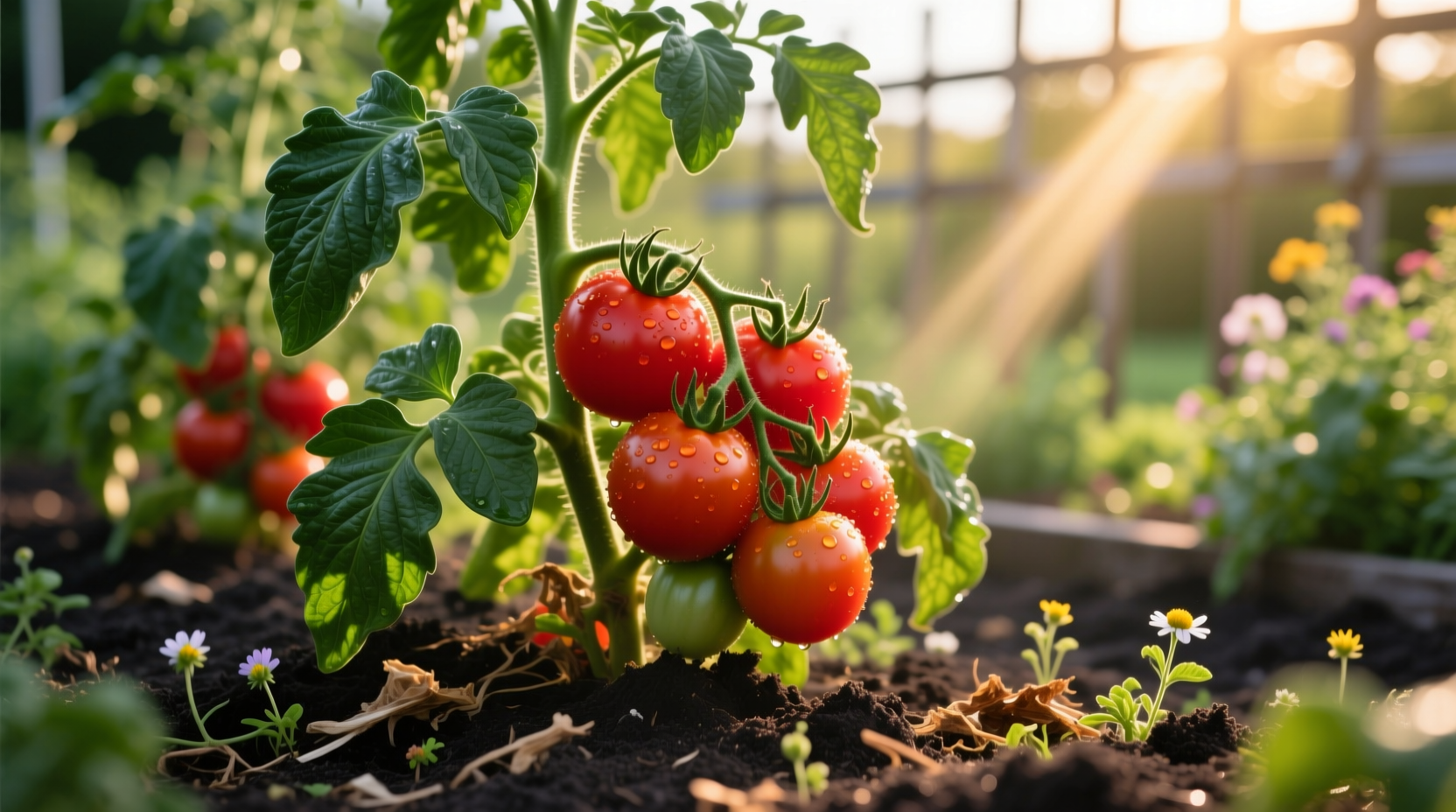
Tomato Varieties That Tolerate Less Sunlight
If your garden receives less than ideal sunlight, certain varieties perform better than others:
- Cherry tomatoes: 'Sun Gold,' 'Sweet Million,' and 'Black Cherry' often produce well with 5-6 hours of sun
- Determinate varieties: 'Patio Princess' and 'Balcony' are more compact and can adapt to slightly shadier conditions
- Heirloom options: 'Black Krim' and 'Yellow Pear' show better shade tolerance than many other heirlooms
However, even these more adaptable varieties will produce significantly less fruit in suboptimal light conditions compared to their performance in full sun.
Practical Strategies for Maximizing Sunlight in Your Garden
When working with less-than-ideal garden conditions, implement these proven techniques:
- Measure your sunlight accurately: Use a sunlight calculator app or simply observe your garden throughout the day to identify true sun patterns
- Strategic container gardening: Place tomatoes in movable containers that can follow the sun's path throughout the season
- Reflective surfaces: Install light-colored mulch or reflective barriers to increase light exposure to lower leaves
- Pruning techniques: Remove lower leaves to improve air circulation and allow more light penetration to fruiting areas
- Vertical growing: Train plants upward using trellises to maximize sun exposure on all sides
Common Sunlight-Related Problems and Solutions
Understanding these frequent issues will help you troubleshoot your tomato growing experience:
- Leggy plants: Indicates insufficient light—move plants to sunnier location or add supplemental lighting
- Slow fruit ripening: Often caused by inadequate sun exposure—ensure plants receive morning sun which helps dry dew and prevent disease
- Sunscald: White or yellow patches on fruit from excessive direct sun—provide temporary shade during peak heat or allow some leaf cover on fruit
- Blossom drop: Caused by extreme heat combined with intense sun—provide afternoon shade in hot climates
Seasonal Adjustments for Optimal Tomato Sunlight
Your approach to sunlight management should change throughout the growing season:
- Early season: Maximize sun exposure to encourage strong root development
- Mid-summer: In hot climates, provide afternoon shade to prevent heat stress
- Late season: Remove shading leaves to help ripen remaining fruit before frost
Remember that the angle of the sun changes throughout the season, so a spot that receives full sun in June might be shaded by nearby trees in August as leaves fully develop.
When Less Sun Works: Special Circumstances for Tomato Growing
While full sun remains ideal, certain situations make reduced sunlight acceptable:
- Container gardening on patios with limited sun exposure
- Urban gardens surrounded by tall buildings
- Cooler climates where intense sun isn't problematic
- Short-season growing areas where any fruit production is valuable
Even in these situations, maximizing available sunlight through strategic placement and reflective surfaces will significantly improve your results.
Measuring Your Garden's Sunlight Accurately
Don't guess about your garden's sun exposure—measure it properly:
- Track sunlight patterns over multiple days to account for variable weather
- Use a dedicated sunlight calculator app that accounts for your specific latitude
- Place physical markers at sun/shade boundaries throughout the day
- Consider seasonal changes in sun angle when planning your garden layout
Accurate sunlight assessment prevents disappointment and helps you select the right plants for your specific conditions.
Conclusion: Maximizing Your Tomato Harvest Through Smart Sunlight Management
While tomatoes perform best with 6-8 hours of direct sunlight, understanding your specific garden conditions allows you to work with what you have. By selecting appropriate varieties, implementing strategic growing techniques, and making seasonal adjustments, you can enjoy a successful tomato harvest even if your garden doesn't offer perfect sun exposure. The key is working with your specific conditions rather than against them.
Frequently Asked Questions
Can tomato plants survive with only 4 hours of sunlight?
Tomato plants can survive with 4 hours of sunlight but will produce significantly less fruit and be more susceptible to disease. You'll likely see leggy growth, fewer flowers, and minimal harvest. While survival is possible, this amount of light falls well below optimal growing conditions for most tomato varieties.
What happens if tomato plants get too much sun?
In extremely hot climates (consistently above 90°F/32°C), too much direct sun can cause problems including sunscald (white or yellow patches on fruit), blossom drop, and heat stress. In these conditions, providing 30-50% afternoon shade can actually improve fruit set and prevent damage while still meeting the plant's basic sunlight requirements.
Do cherry tomatoes need less sun than regular tomatoes?
Cherry tomatoes generally perform slightly better in partial shade than larger varieties, often producing acceptable yields with 5-6 hours of direct sunlight. Varieties like 'Sun Gold' and 'Sweet Million' are particularly known for their ability to fruit well with marginally less sun exposure, though they still produce best with the recommended 6-8 hours.
How can I grow tomatoes in a shady garden?
To grow tomatoes in a shady garden, select shade-tolerant varieties like cherry tomatoes, use containers to follow the sun, install reflective surfaces to increase light exposure, prune strategically to maximize light penetration, and consider supplemental lighting for critical growth stages. Managing expectations is important—yields will be lower than in full sun conditions.
Does morning sun or afternoon sun matter more for tomatoes?
Morning sun is generally more valuable for tomatoes because it helps dry dew from leaves, reducing disease risk. However, tomatoes need consistent sun exposure throughout the day. In hot climates, afternoon sun can be too intense, making morning sun more beneficial, while in cooler climates, afternoon sun helps maintain optimal temperatures for fruit development.




 浙公网安备
33010002000092号
浙公网安备
33010002000092号 浙B2-20120091-4