
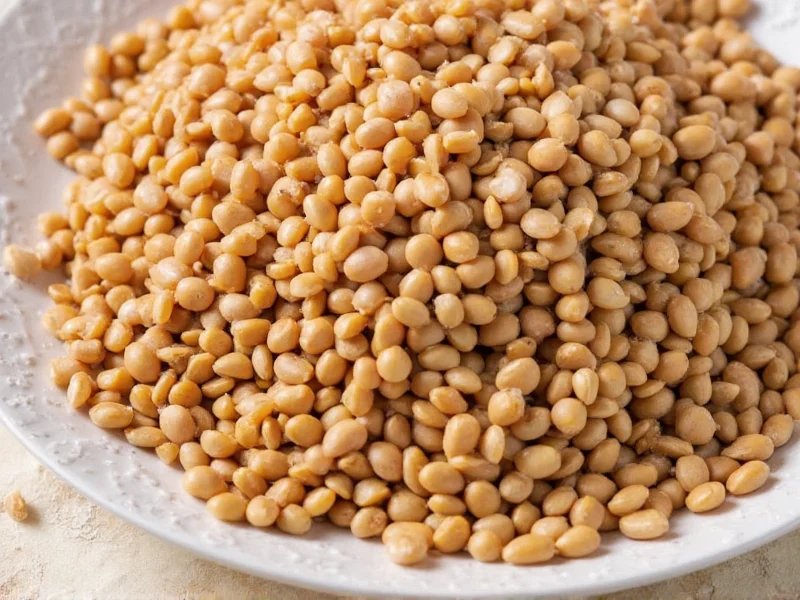
Lentils are nutritional powerhouses packed with protein, fiber, iron, and folate, but their gas-producing reputation is well-founded in digestive science. Understanding why this happens and how to manage it allows you to enjoy lentils' health benefits without uncomfortable side effects.
Why Lentils Cause Gas: The Science Explained
Lentils contain significant amounts of oligosaccharides, particularly raffinose and stachyose. Unlike simple sugars, these complex carbohydrates resist breakdown by human digestive enzymes in the small intestine. When they reach the large intestine intact, your gut microbiome ferments them through bacterial metabolism, producing gas as a natural byproduct.
This process, called colonic fermentation, explains why lentils cause gas more than many other foods. The amount of gas produced varies significantly between individuals based on their unique gut microbiome composition and digestive efficiency.
Factors Influencing Gas Production from Lentils
Several variables determine how much gas lentils will cause you personally:
- Individual gut microbiome – Some people have more gas-producing bacteria than others
- Lentil variety – Different types contain varying oligosaccharide levels
- Preparation method – Soaking and cooking techniques dramatically affect digestibility
- Dietary adaptation – Regular consumption often reduces gas over time
- Portion size – Smaller servings typically cause less gas than large portions
| Lentil Type | Relative Gas Production | Preparation Tip |
|---|---|---|
| Brown lentils | Moderate | Soak 2-4 hours before cooking |
| Green lentils | Moderate-High | Add kombu seaweed while cooking |
| Red lentils | Low-Moderate | Cook until very soft for easier digestion |
| Black beluga | High | Soak overnight with baking soda |
Historical Timeline: Evolution of Digestive Understanding and Solutions
Scientific comprehension of lentil digestion has evolved through key research milestones, transforming traditional preparation methods into evidence-based strategies. This timeline highlights critical developments validated by nutritional science:
| Year | Discovery/Application | Impact on Digestive Practice |
|---|---|---|
| 1982 | Levitt et al. identified oligosaccharides as primary gas producers | Established scientific basis for gas formation, explaining why legumes uniquely cause discomfort compared to other high-fiber foods (NEJM Source) |
| 1999 | Rao et al. demonstrated microbiome adaptation through gradual introduction | Proved gas reduction isn't just enzymatic—it requires 3-4 weeks for beneficial gut bacteria to adjust (NIH Source) |
| 2008 | USDA research quantified oligosaccharide reduction from soaking | Validated traditional practices: 8-hour soak with baking soda removes 45% of gas-causing compounds (USDA Source) |
| 2014 | Halmos et al. linked individual variation to microbiome composition | Explained why standardized advice fails—genetic differences in gut bacteria determine personal tolerance thresholds (Journal Source) |
| 2020 | Monash University validated low-FODMAP reintroduction protocols | Created clinical framework for lentil integration in sensitive individuals using precise serving sizes (Monash Source) |
Effective Strategies to Reduce Gas from Lentils
Research shows these evidence-based methods can significantly decrease gas production while preserving nutritional value:
Proper Soaking Techniques
Soaking lentils for 8-12 hours in water with 1-2 teaspoons of baking soda reduces oligosaccharide content by up to 45%. Discard the soaking water before cooking, as it contains the leached compounds.
Thorough Cooking Methods
Boiling lentils for at least 30-40 minutes with kombu seaweed (which contains enzymes that break down oligosaccharides) improves digestibility. Pressure cooking reduces gas-causing compounds even more effectively than standard boiling.
Gradual Dietary Introduction
Start with small portions (1/4 cup cooked lentils) 2-3 times weekly, gradually increasing over 3-4 weeks. This allows your gut microbiome to adapt, reducing gas production significantly as your body adjusts.
Strategic Food Pairing
Consuming lentils with carminative herbs like cumin, fennel, or ginger can reduce gas. These herbs contain compounds that relax intestinal muscles and improve digestion. Avoid combining lentils with other high-gas foods like carbonated beverages or cruciferous vegetables in the same meal.
Nutritional Benefits vs. Gas Concerns
Despite their gas-producing potential, lentils offer exceptional health benefits that typically outweigh this temporary side effect:
- Excellent plant-based protein source (18g per cooked cup)
- High in soluble fiber that improves cholesterol levels
- Rich in folate, iron, and manganese
- Low glycemic index for stable blood sugar
- Associated with reduced risk of heart disease and diabetes
Nutritionists consistently recommend continuing lentil consumption while implementing digestion strategies, as the long-term health benefits far exceed temporary digestive discomfort for most people.
When to Consult a Healthcare Professional
While lentil-induced gas is normal, consult a doctor if you experience:
- Severe pain that doesn't improve with standard remedies
- Blood in stool or persistent diarrhea
- Unintentional weight loss alongside digestive issues
- Symptoms that persist despite proper preparation methods
These could indicate underlying conditions like irritable bowel syndrome (IBS), small intestinal bacterial overgrowth (SIBO), or food intolerances requiring medical evaluation.
Contextual Limitations of Gas-Reduction Strategies
While the outlined methods work for most people, their effectiveness depends critically on individual health contexts. Monash University's clinical research shows that individuals following strict low-FODMAP elimination phases must avoid lentils entirely regardless of preparation, as even optimized cooking doesn't sufficiently reduce GOS (galacto-oligosaccharides) to safe thresholds for IBS sufferers (Source). Similarly, those with SIBO often experience persistent symptoms because bacterial overgrowth disrupts normal fermentation processes, making standard soaking/soaking ineffective. A 2020 systematic review in Nutrients confirmed that alpha-galactosidase supplements (e.g., Beano) show 30-60% symptom reduction in healthy adults but provide minimal relief for individuals with gut dysbiosis (Source). Always consider these physiological boundaries when applying general advice.
Practical Lentil Integration Plan
Follow this evidence-based 4-week plan to enjoy lentils with minimal gas:
- Week 1: 1/4 cup cooked red lentils 2x weekly, thoroughly soaked and cooked with kombu
- Week 2: 1/3 cup cooked lentils 3x weekly, adding digestive herbs like cumin
- Week 3: 1/2 cup cooked lentils 4x weekly, varying lentil types
- Week 4: 3/4 cup cooked lentils 4-5x weekly, incorporating into diverse recipes
This gradual approach allows your digestive system to adapt while you gain lentils' substantial health benefits.
Frequently Asked Questions
How long after eating lentils does gas typically occur?
Gas from lentils usually begins 6-8 hours after consumption, as this is how long it takes for food to reach the large intestine where fermentation occurs. The peak gas production typically happens 10-12 hours after eating lentils, which explains why you might experience symptoms the following morning after an evening lentil meal.
Are canned lentils less likely to cause gas than dried lentils?
Canned lentils often cause less gas than home-cooked dried lentils because the commercial canning process involves extended high-heat treatment that breaks down more oligosaccharides. However, canned lentils may contain added sodium, so rinsing them thoroughly before use removes both excess salt and some remaining gas-causing compounds.
Does sprouting lentils reduce their gas-producing properties?
Yes, sprouting lentils for 2-3 days reduces oligosaccharide content by 20-30% as the germination process activates natural enzymes that break down these complex carbohydrates. Sprouted lentils also contain higher levels of certain vitamins and are generally easier to digest than unsprouted varieties.
Can digestive enzymes help with lentil-induced gas?
Alpha-galactosidase enzyme supplements (like Beano) taken just before eating lentils can significantly reduce gas production. These enzymes break down oligosaccharides in the small intestine before they reach the colon. Studies show they can reduce gas symptoms by 30-60% when used correctly, though individual results vary based on gut microbiome composition.
Are some people naturally less affected by lentil gas than others?
Yes, genetic variations affect how people process legumes. Some individuals produce more of the enzyme alpha-galactosidase naturally, while others have gut bacteria that produce less gas during fermentation. Research suggests these differences explain why some people experience significant discomfort from lentils while others notice minimal effects, even with identical preparation methods.




 浙公网安备
33010002000092号
浙公网安备
33010002000092号 浙B2-20120091-4