

Understanding Canine Taste Perception: Beyond Just Spice
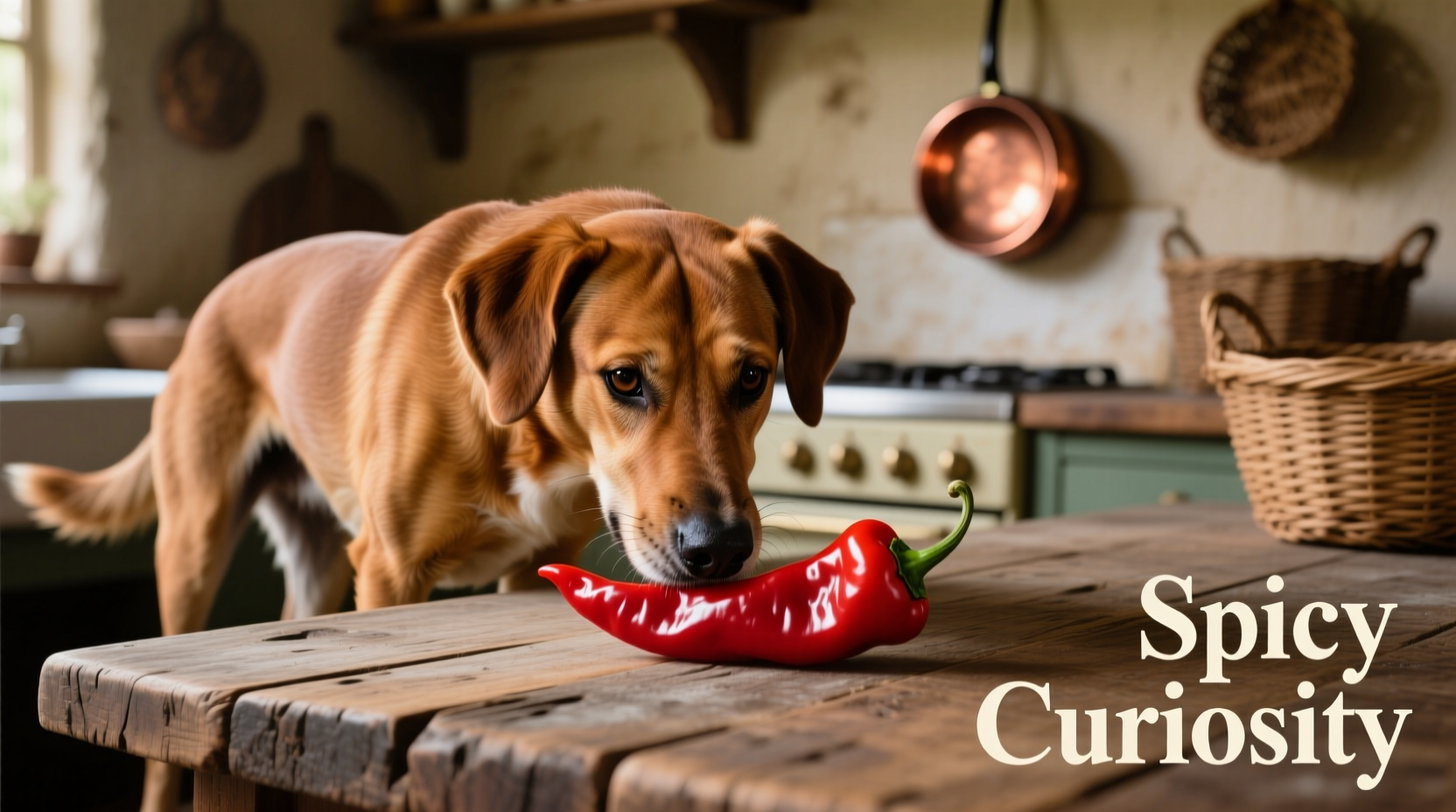
When you're enjoying a spicy meal and your dog gazes longingly at your plate, you might wonder: do dogs taste spice the same way humans do? The answer involves understanding fundamental differences between canine and human sensory systems. While your pup might seem curious about that chili pepper, their experience of spicy foods differs dramatically from yours—and often ends with uncomfortable consequences.
How Dogs Actually Experience Spicy Foods
Dogs possess approximately 1,700 taste buds compared to humans' 9,000, significantly limiting their flavor detection capabilities. Their taste receptors primarily respond to sweet, salty, sour, and bitter compounds, but they lack the same sensitivity to complex flavor profiles that humans enjoy.
When it comes to spicy foods, dogs don't "taste" the spice in the culinary sense. Instead, they experience the physical burning sensation caused by capsaicin—the compound that makes chili peppers hot. This triggers their pain receptors rather than flavor receptors, creating discomfort without the nuanced flavor experience humans perceive.
| Characteristic | Dogs | Humans |
|---|---|---|
| Taste Buds | ~1,700 | ~9,000 |
| Capsaicin Receptors | TRPV1 receptors present but less sensitive | Highly sensitive TRPV1 receptors |
| Primary Response to Spice | Burning sensation/pain | Flavor complexity + heat sensation |
| Common Reaction | Drooling, pawing at mouth, vomiting | Variety of responses from enjoyment to discomfort |
Why Spicy Foods Cause Problems for Dogs
When dogs consume spicy foods, they experience several physiological reactions:
- Gastrointestinal irritation - Capsaicin triggers inflammation in the digestive tract
- Excessive drooling - A natural response to oral discomfort
- Vomiting and diarrhea - The body's attempt to eliminate irritants
- Mouth pawing - Attempting to relieve the burning sensation
According to veterinary research published in the Journal of Veterinary Pharmacology and Therapeutics, capsaicin exposure in dogs activates the same pain pathways as in humans but without the potential endorphin release that can make spicy foods pleasurable for people. This means dogs experience pure discomfort without any potential enjoyment.
Common Spices and Their Impact on Dogs
Not all spices affect dogs equally. Here's what you need to know about common culinary spices:
High-Risk Spices (Avoid Completely)
- Chili powder and cayenne - Causes immediate mouth irritation and digestive upset
- Hot sauce - Concentrated capsaicin leads to severe gastrointestinal distress
- Wasabi and horseradish - Irritates nasal passages and digestive system
Moderate-Risk Spices (Use Extreme Caution)
- Black pepper - Large amounts can cause stomach upset
- Garlic powder - Toxic in significant quantities, causing hemolytic anemia
- Onion powder - Similarly toxic, damaging red blood cells
Generally Safe Spices (In Small Amounts)
- Turmeric - May offer anti-inflammatory benefits when properly dosed
- Ginger - Can help with nausea in controlled amounts
- Herbs like parsley - Generally safe and may freshen breath
What to Do If Your Dog Eats Spicy Food
If your dog accidentally consumes spicy food, follow these steps:
- Remain calm - Your anxiety can increase your dog's stress
- Offer small amounts of milk or yogurt - Dairy can help neutralize capsaicin (avoid if your dog is lactose intolerant)
- Provide water - Help flush the irritant, but don't force excessive drinking
- Monitor for symptoms - Watch for vomiting, diarrhea, or excessive drooling
- Contact your veterinarian - If symptoms persist beyond 2-3 hours or are severe
The American Veterinary Medical Association recommends keeping all spicy human foods away from dogs, as even small amounts can cause significant discomfort. Unlike humans who can communicate their discomfort and choose to stop eating spicy foods, dogs may continue consuming something unpleasant because they don't understand the cause of their discomfort.
Safe Flavor Alternatives for Dogs
If you want to add variety to your dog's diet, consider these safe alternatives:
- Pumpkin puree - Adds fiber and flavor without irritation
- Plain cooked sweet potato - Naturally sweet and nutritious
- Low-sodium chicken or beef broth - Enhances kibble appeal
- Blueberries or banana slices - Natural sweetness dogs enjoy
When introducing any new food, follow the 10% rule—new items should comprise no more than 10% of your dog's daily caloric intake to prevent digestive upset.
Understanding the Evolutionary Context
Dogs' limited spice perception makes evolutionary sense. As primarily carnivorous scavengers in the wild, their ancestors didn't encounter many spicy plants. Their taste system evolved to detect rotten meat (sour/bitter) and ripe fruits (sweet) rather than complex spice profiles.
This evolutionary background explains why dogs show little interest in spices that humans find flavorful. Their sensory priorities focus on detecting potential food sources and avoiding spoiled items, not appreciating culinary complexity. When your dog seems interested in your spicy meal, they're likely responding to the fats and proteins in the food, not the spices themselves.
Practical Guidelines for Dog Owners
Keep these practical considerations in mind:
- Never intentionally feed spicy foods to your dog, even in small amounts
- Store spicy foods securely away from curious canines
- Train "leave it" commands to prevent accidental consumption
- Consult your veterinarian before adding any new flavors to your dog's diet
- Monitor your dog after accidental exposure for 24 hours
Remember that individual dogs may have different sensitivities. Some breeds with shorter snouts like pugs may experience more intense reactions due to their anatomy. Always prioritize your dog's comfort and health over curiosity about how they might react to spicy foods.
Frequently Asked Questions
Can dogs build tolerance to spicy foods like humans do?
No, dogs cannot build tolerance to spicy foods. Unlike humans who may develop a preference through endorphin release, dogs only experience the painful burning sensation without any pleasurable component. Repeated exposure doesn't create tolerance but can lead to chronic digestive issues.
Why does my dog seem interested in my spicy food if it hurts them?
Dogs are attracted to the fats, proteins, and aromas in your food, not the spices themselves. They may start eating before experiencing the burning sensation, then continue due to food motivation. The initial appeal comes from other components in the dish, not the spicy elements.
How long do spicy food effects last in dogs?
Most mild reactions to spicy foods resolve within 4-6 hours as the capsaicin passes through the digestive system. Severe reactions may last 12-24 hours. If symptoms persist beyond 24 hours or include blood in vomit/diarrhea, contact your veterinarian immediately.
Are there any benefits to giving dogs small amounts of spice?
Generally no, but certain spices like turmeric may offer anti-inflammatory benefits when properly formulated for dogs. Never give human spice preparations to dogs—consult your veterinarian about appropriate canine-specific supplements if you're considering therapeutic benefits.
What should I do if my dog eats a whole jalapeño pepper?
Contact your veterinarian immediately. A whole pepper contains concentrated capsaicin that can cause severe gastrointestinal distress. While not typically life-threatening, it requires professional guidance. Do not induce vomiting unless instructed by a professional.




 浙公网安备
33010002000092号
浙公网安备
33010002000092号 浙B2-20120091-4