
For decades, Cincinnati residents and visitors have debated the merits of competing chili parlors across the Queen City. Among these establishments, Dixie Chili & Deli has maintained a loyal following since its founding in 1969, offering a distinctive take on Cincinnati's signature culinary creation. Unlike traditional chili found elsewhere in America, Cincinnati-style chili features finely ground meat simmered with Mediterranean spices including cinnamon, allspice, and cocoa, served over spaghetti with specific cheese and bean combinations.
History and Regional Significance
Understanding Dixie Chili & Deli requires context about Cincinnati's unique chili culture. Immigrant restaurateurs Tom and John Kiradjieff developed the city's distinctive chili style in the 1940s, creating a dish that would become central to Cincinnati's food identity. Dixie Chili & Deli emerged during the regional expansion of this culinary tradition, establishing itself as a neighborhood favorite in the western part of the city. The restaurant has changed ownership multiple times while maintaining recipe consistency that loyal customers expect from authentic Cincinnati chili establishments.
Cincinnati Chili Evolution Timeline
Documented by the Cincinnati and Hamilton County Public Library's Local History Archives, Cincinnati-style chili evolved through distinct phases that contextualize Dixie's place in this culinary tradition:
- 1922: Macedonian immigrant Tom Kiradjieff begins experimenting with Mediterranean spices while working at his brother's restaurant
- 1949: Kiradjieff opens Empress Chili, establishing the foundational recipe with spaghetti base and signature spice blend
- 1969: Dixie Chili & Deli opens on Glenway Avenue during the neighborhood parlor expansion phase
- 1980s: Chain operations (Skyline, Gold Star) standardize recipes while independents like Dixie preserve traditional methods
- 2011: James Beard Foundation recognizes Cincinnati chili as a "Regional American Classic"
This trajectory shows how Dixie represents the preservationist branch of Cincinnati chili culture. Source: Cincinnati Chili Historical Records
| Feature | Dixie Chili & Deli | Typical Cincinnati Parlor |
|---|---|---|
| Founded | 1969 | 1940s-1960s |
| Signature Dish | Three-way with house recipe | Three-way with regional variations |
| Menu Expansion | Added Southern deli items | Primarily chili-focused |
| Atmosphere | Casual neighborhood diner | Variety from retro to modern |
Menu Highlights and Culinary Distinctions
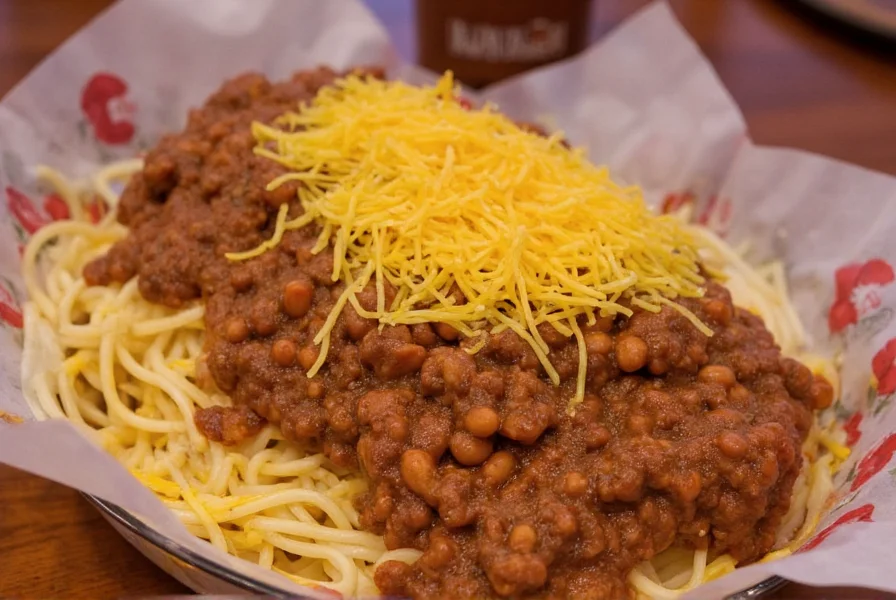
What sets Dixie Chili & Deli apart in Cincinnati's competitive chili landscape? The restaurant's three-way (chili over spaghetti with cheese) represents their most ordered item, prepared with their proprietary spice blend that balances sweetness and warmth without overwhelming heat. Regular patrons particularly appreciate their four-way with beans option, which incorporates locally sourced navy beans into the traditional preparation.
Unlike many Cincinnati chili establishments that focus exclusively on chili variations, Dixie Chili & Deli expanded their offerings to include Southern-inspired deli sandwiches, creating a distinctive hybrid menu. Their fried bologna sandwich with house-made comeback sauce has developed a following separate from their chili reputation. The lunch special rotation featuring meatloaf, country fried steak, and Friday fish fry connects the establishment to broader regional comfort food traditions.
Contextual Boundaries of Authentic Cincinnati Chili
Visit Cincy's culinary documentation reveals specific parameters defining authentic Cincinnati chili consumption that explain Dixie's operational choices:
- Temporal Context: Strictly served between 10:30am-8:00pm (mirroring Dixie's hours); never offered for breakfast
- Geographic Limitation: Authentic preparations remain concentrated within 50-mile radius of downtown Cincinnati; significant recipe variations occur beyond this zone
- Social Setting: Functions exclusively as casual counter-service meal; incompatible with fine dining formats
- Culinary Boundaries: Must be served over spaghetti with specific cheese/bean combinations; standalone chili soup would be considered a different dish
These constraints explain why Dixie's neighborhood diner format and recipe consistency resonate with locals seeking authentic experiences. Source: Cincinnati Chili Cultural Context Guide
Practical Visitor Information
Located at 3905 Glenway Avenue in Cincinnati's West End neighborhood, Dixie Chili & Deli operates Tuesday through Saturday from 10:30am to 8:00pm, closing on Sundays and Mondays. The establishment maintains a cash-only policy, a characteristic shared with many longstanding Cincinnati chili parlors. Parking consists of street parking along Glenway Avenue with additional options in the surrounding neighborhood lots.
First-time visitors should understand Cincinnati chili ordering terminology: a "three-way" refers to spaghetti topped with chili and shredded cheddar cheese; adding beans creates a "four-way bean"; and a "five-way" includes both beans and onions. The restaurant's cinnamon toothpick garnish represents a subtle nod to the distinctive spice profile that defines authentic Cincinnati-style chili.
Comparative Analysis Among Cincinnati Chili Establishments
When evaluating Dixie Chili & Deli within Cincinnati's vibrant chili scene, several distinguishing factors emerge. While Skyline Chili maintains the largest market share and Gold Star enjoys widespread popularity, Dixie represents the neighborhood-focused alternative with consistent quality. Food historians note that smaller establishments like Dixie often preserve original recipe elements that larger chains have modified for broader appeal.
Regular Cincinnati chili enthusiasts recognize subtle differences in meat texture, spice balance, and cheese quality that distinguish each establishment. Dixie's chili features a slightly thicker consistency than Skyline's with a more pronounced cinnamon note, appealing to traditionalists who prefer the original flavor profile. The addition of deli offerings creates a broader menu appeal while maintaining their chili as the centerpiece.
Planning Your Visit
For optimal experience at Dixie Chili & Deli, consider visiting during off-peak lunch hours (between 1:30-3:30pm) to avoid the busiest periods. The restaurant's counter seating provides the most authentic experience, though booth options accommodate small groups. While their chili represents the main attraction, many regulars recommend trying their daily lunch special as an alternative option.
Cincinnati visitors creating a "chili crawl" should note that Dixie Chili & Deli offers a different experience than the more tourist-frequented Skyline locations. Its neighborhood setting provides insight into how locals actually experience this regional specialty. Those comparing multiple establishments will appreciate Dixie's straightforward preparation that emphasizes traditional elements without modern reinterpretations.




 浙公网安备
33010002000092号
浙公网安备
33010002000092号 浙B2-20120091-4