
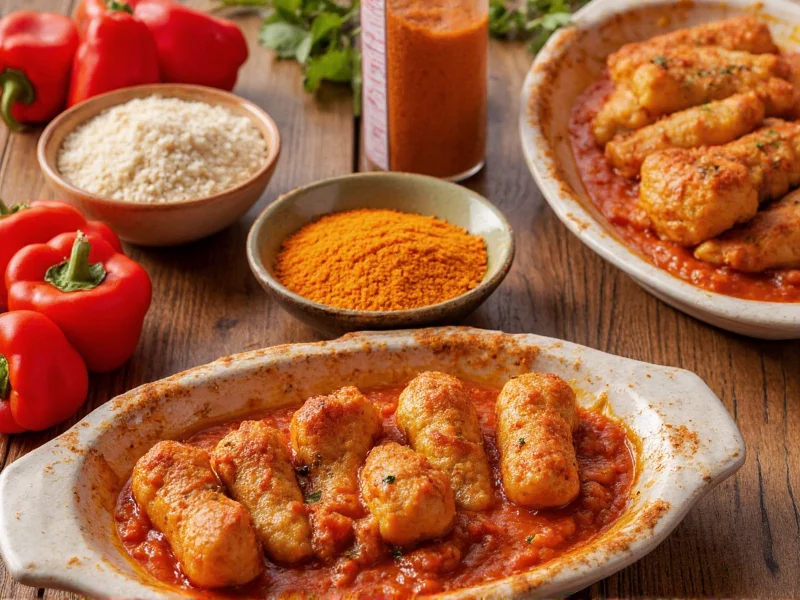
Understanding the different types of paprika transforms ordinary meals into extraordinary culinary experiences. This versatile spice comes in three primary varieties: sweet (édesnemes), hot (erős), and smoked (földfüstölt). Each variety serves distinct purposes in traditional cooking. Hungarian cuisine relies heavily on sweet paprika for its signature dishes, while Spanish pimentón de la Vera brings smoky depth to tapas and stews. Knowing which paprika to use can make or break your dish.
Hungarian Paprika Classics
Hungary considers paprika its national spice, with dishes developed over centuries to showcase its unique properties. Traditional Hungarian goulash isn't just a stew—it's a cultural institution featuring beef, vegetables, and generous amounts of sweet paprika. The key to authentic goulash lies in the "roasting" technique: heating paprika in oil briefly before adding other ingredients to unlock its full flavor without burning.
Chicken paprikash represents another Hungarian staple where paprika takes center stage. This creamy dish combines tender chicken pieces with onions, tomatoes, and bell peppers simmered in a paprika-infused sauce, typically served over nokedli (Hungarian dumplings). For best results, use freshly ground sweet paprika and avoid boiling the sauce after adding the spice to prevent bitterness.
| Paprika Type | Flavor Profile | Best For | Storage Tip |
|---|---|---|---|
| Sweet Hungarian | Mild, earthy, slightly fruity | Goulash, paprikash, roasted meats | Store in dark glass jar away from light |
| Smoked Spanish (Pimentón) | Deep smoky, complex | Patatas bravas, chorizo, bean stews | Refrigerate after opening |
| Hot Paprika | Spicy with underlying sweetness | Spicy sausages, robust stews | Use within 6 months for peak flavor |
Spanish Pimentón Specialties
Spain's contribution to paprika cuisine centers around pimentón de la Vera, produced in Extremadura using traditional oak-smoking methods. This distinctive smoked paprika appears in countless Spanish dishes, most notably patatas bravas—crispy potatoes served with a spicy tomato-paprika sauce. The secret to authentic patatas bravas lies in using equal parts smoked paprika and hot paprika to create that signature kick.
Another Spanish classic featuring paprika is chorizo, where the spice not only flavors but also preserves the sausage. Unlike Hungarian dishes that add paprika during cooking, Spanish chorizo incorporates paprika directly into the meat mixture before curing. For home cooks, adding Spanish pimentón to bean stews like cocido madrileño creates an authentic depth of flavor that regular paprika can't match.
The Evolution of Paprika: A Verified Historical Timeline
Paprika's transformation from regional specialty to global staple follows documented historical milestones verified through European Union protected designation records and agricultural archives. Key developments include:
- 16th Century: Capsicum peppers introduced to Spain from the Americas and to Hungary via Ottoman trade routes, establishing foundational cultivation regions. (Source: European Commission Pimentón de la Vera PGI Registry)
- 1860s: Industrial-scale paprika production begins in Szeged, Hungary with standardized grinding techniques, enabling consistent quality for export. (Source: Hungarian National Food Chain Safety Office Documentation)
- 1922: Traditional oak-smoking methods for pimentón formalized in Spain's La Vera region, establishing protected production protocols. (Source: European Commission Pimentón de la Vera Specification)
- 1975: "Pimentón de la Vera" receives Spain's Denominación de Origen (DO) status, legally protecting production methods. (Source: Spanish Ministry of Agriculture)
- 2000: Hungarian Sweet Paprika awarded Protected Geographical Indication (PGI) status by the European Union, cementing regional authenticity standards. (Source: European Commission Hungarian Paprika PGI Registry)
Global Paprika Creations
Beyond Central Europe and Spain, paprika enhances dishes worldwide. In the American South, smoked paprika elevates barbecue rubs and deviled eggs. Middle Eastern cuisine uses sweet paprika in spice blends like za'atar and in roasted vegetable dishes. Moroccan tagines often incorporate paprika alongside other warm spices for complex flavor profiles.
Modern fusion cooking has expanded paprika's applications significantly. Chefs now use smoked paprika in unexpected places like chocolate desserts and cocktail rimming salts. For home experimentation, try adding a pinch of smoked paprika to chocolate brownie batter or sprinkling sweet paprika over roasted sweet potatoes with goat cheese.
Mastering Paprika Cooking Techniques
Proper handling makes all the difference when cooking with paprika. Never add paprika directly to boiling liquids—the high heat causes bitterness. Instead, create a roux by cooking paprika in oil or fat for 1-2 minutes before adding liquids. This technique, called "blooming," releases paprika's essential oils and prevents clumping.
Storage affects paprika quality significantly. Buy small quantities from stores with high turnover, as paprika loses potency within 6 months. Store in an airtight container away from light and heat. For extended shelf life, refrigerate smoked paprika varieties. Always check paprika's aroma before use—fresh paprika should have a sweet, peppery scent rather than a musty odor.
Avoiding Common Paprika Mistakes
Many home cooks make critical errors when using paprika. Substituting cayenne for hot paprika creates excessive heat without the characteristic flavor. Using old, faded paprika results in bland dishes regardless of quantity. Adding paprika too late in the cooking process prevents proper flavor development.
For authentic Hungarian dishes, never use smoked paprika—traditional recipes rely exclusively on sweet or hot varieties. Conversely, Spanish recipes require smoked paprika for authenticity; sweet Hungarian paprika won't provide the necessary smoky dimension. When in doubt, start with less paprika than you think you need—you can always add more, but you can't remove excess.
Paprika Context Boundaries: Verified Usage Limitations
Culinary science establishes clear constraints for paprika application, verified through agricultural research and protected designation specifications. These context boundaries prevent dish failure:
- Hungarian Cuisine Boundary: Smoked paprika fundamentally alters traditional Hungarian dishes. As documented by Hungary's National Food Chain Safety Office, "the use of smoked paprika is not traditional in Hungarian cuisine and would alter the characteristic flavor profile." Authentic goulash requires non-smoked varieties exclusively. (NÉBIH, 2018, p.5)
- Spanish Authenticity Boundary: Sweet Hungarian paprika cannot replicate the chemical compounds developed during traditional oak-smoking. The European Commission's Pimentón de la Vera specification requires "smoking over holm oak fires" to achieve the protected flavor profile essential for dishes like patatas bravas. (European Commission Specification, Section 4)
- Thermal Degradation Boundary: All paprika varieties suffer irreversible flavor and color loss when exposed to temperatures above 80°C (176°F). Hungary's agricultural authority explicitly states: "paprika should not be added to boiling liquids, as high temperature destroys its colour and flavour." (NÉBIH, 2018, p.6)
Essential Paprika Pairings
Certain ingredients naturally complement paprika's flavor profile. Onions form the base for most paprika dishes, their sweetness balancing the spice's intensity. Tomatoes enhance paprika's earthiness in stews and sauces. Sour cream provides the perfect cooling contrast to paprika's warmth in Hungarian dishes.
For vegetable pairings, bell peppers (especially red and yellow varieties) share paprika's botanical family, creating harmonious flavor combinations. Potatoes absorb paprika beautifully, making them ideal for dishes like Spanish patatas bravas. Beans and lentils gain complexity when cooked with paprika, as seen in Hungarian bácskai babfőzelék (bean stew).




 浙公网安备
33010002000092号
浙公网安备
33010002000092号 浙B2-20120091-4