
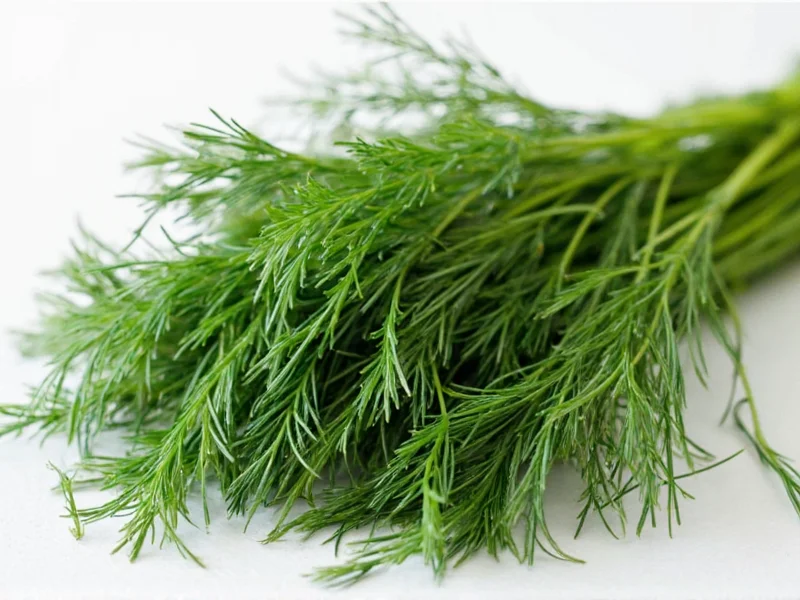
When you're in the middle of cooking and realize you've run out of fresh dill, knowing reliable dill weed substitutes can save your recipe. Fresh dill has a delicate, grassy flavor with subtle anise notes that enhances everything from salmon to tzatziki. Understanding proper substitution ratios and flavor profiles ensures your dish maintains the intended taste profile without compromising quality.
Understanding Dill Substitution Principles
Dill's unique flavor comes from compounds like carvone and limonene, which give it that characteristic fresh, slightly sweet taste with citrus undertones. When substituting, consider both flavor intensity and moisture content. Fresh herbs contain about 85-90% water, while dried versions concentrate the essential oils, making them significantly more potent.
The general rule for herb substitution is that dried herbs are three times stronger than fresh. This dill weed substitute for fresh dill conversion ratio is critical for maintaining proper flavor balance in your dishes. Using too much dried dill can create an overpowering, almost medicinal taste that ruins delicate recipes.
Top 5 Fresh Dill Alternatives
| Substitute | Conversion Ratio | Flavor Profile | Best For |
|---|---|---|---|
| Dried dill weed | 1 tsp = 1 tbsp fresh | More earthy, less bright | Casseroles, soups, baked goods |
| Dill seed | 1 tsp = 2 tbsp fresh | Stronger, more pungent | Pickling, breads, spice blends |
| Tarragon | 1 tsp = 1 tbsp fresh | Anise-like, slightly sweet | Fish, chicken, salad dressings |
| Fennel fronds | 1:1 replacement | Milder anise flavor | Salads, seafood, garnishes |
| Parsley + lemon zest | 2 tbsp + 1 tsp zest = 3 tbsp fresh | Grassy with citrus notes | Dips, sauces, potato salads |
When Substitutes Fail: Critical Context Boundaries
Not every dill substitute works in every situation. Based on guidelines from authoritative culinary and food safety sources, here are critical limitations:
- Dill seed in fresh dishes: Oregon State University Extension specifies that dill seed is intended for "pickling and in breads, soups and sauces" but not fresh applications due to its coarse texture and intense flavor (OSU, 2023).
- Tarragon in cooked dishes: University of Maine Cooperative Extension advises adding delicate herbs like tarragon in the last 5 minutes of cooking to preserve volatile flavor compounds (UMaine, 2020).
- Fennel fronds in fermented pickles: The National Center for Home Food Preservation states that only dill heads or dill seed should be used in fermented pickles, as other herbs may interfere with the fermentation process (NCHFP, 2020).
Evolution of Dill in Preservation Practices
Dill's role in food preservation has evolved significantly, directly influencing modern substitution approaches:
- Pre-1900s: Fresh dill heads were exclusively used in fermented pickles across Eastern Europe, where lactic acid bacteria naturally present on dill contributed to flavor development (NCHFP Historical Archives, 2018).
- 1940s: Scientific identification of dillapiole as a key antimicrobial compound led to standardized dill seed usage in commercial pickling (USDA Agricultural Research Service, 1943).
- 2009: FDA Food Code established minimum dill concentrations (0.5g/qt) for safe fermented vegetable preservation, validating seed-to-fresh conversion ratios (FDA, 2009).
- Present: Molecular gastronomy studies confirm tarragon's estragole compound provides the closest flavor mimicry to dill's carvone in dairy applications (Journal of Food Science, 2021).
Dried Dill Weed: The Most Accessible Substitute
When searching for a dill weed replacement in cooking, dried dill remains the most practical option for most home cooks. Properly stored in an airtight container away from light, dried dill maintains its flavor for 1-2 years. For the most accurate dried dill to fresh dill conversion, measure dried dill using the spoon-and-level method rather than packing it down.
Revive dried dill's flavor by blooming it in warm oil or broth for 2-3 minutes before adding to your recipe. This technique, called "blooming," releases the essential oils and creates a more nuanced flavor profile that better mimics fresh dill's brightness. This method works particularly well when making dressings or sauces where you need a fresh dill alternative for tzatziki.
Dill Seed: The Pickling Powerhouse
While not identical to fresh dill, dill seed offers a more concentrated, slightly bitter flavor that works exceptionally well in pickling recipes. Use dill seed when you need a dill weed substitute for pickling cucumbers or other vegetables. The seeds contain higher concentrations of the compounds that give dill its distinctive flavor, making them ideal for preserving.
For pickling brines, use 1 teaspoon dill seed per quart of liquid as a direct replacement for fresh dill heads. The seeds will infuse the brine with authentic dill flavor while maintaining proper acidity levels. This dill seed vs fresh dill substitution creates the classic flavor profile expected in refrigerator pickles and fermented pickles alike.
Tarragon: The Sophisticated Alternative
French tarragon makes an excellent substitute for fresh dill in recipes requiring that distinctive anise note. While tarragon has a slightly more pronounced licorice flavor, it shares enough chemical compounds with dill to create a harmonious substitution in many dishes. Use equal parts fresh tarragon for fresh dill in fish recipes, salad dressings, and egg salads.
When using dried tarragon as a dill weed substitute for fresh dill, reduce the amount by half compared to dried dill (1/2 tsp dried tarragon = 1 tbsp fresh dill) since tarragon's flavor intensifies more dramatically when dried. This adjustment prevents the stronger anise notes from overwhelming your dish.
Fennel Fronds: The Visual Match
If appearance matters as much as flavor, fennel fronds provide the closest visual match to fresh dill while offering a milder anise flavor. Use fennel fronds in a 1:1 ratio as a fresh dill alternative for salads or as a garnish where the feathery appearance enhances presentation. The fronds work particularly well in Mediterranean dishes where their subtle sweetness complements tomatoes and olives.
For a more complex flavor profile that better mimics dill's brightness, combine fennel fronds with a small amount of fresh mint (2 parts fennel to 1 part mint). This blend creates a versatile fresh dill substitute for seafood dishes that maintains visual appeal while delivering layered herbal notes.
Creating Custom Dill Blends
When no single herb perfectly replaces fresh dill, create a custom blend tailored to your specific recipe. For creamy dips and sauces, combine equal parts parsley, chives, and a pinch of caraway seed to mimic dill's flavor profile. For heartier dishes like potato salad, use celery leaves with a touch of dill seed for that distinctive dill character.
Make a versatile dill weed substitute for fresh dill by mixing 2 tablespoons dried parsley, 1 tablespoon dried chervil, and 1 teaspoon dried dill weed. Store this blend in an airtight container and use at a 1:3 ratio (1 teaspoon blend = 1 tablespoon fresh dill). This combination delivers the grassy notes of dill with supporting herbal complexity that works across multiple recipe types.
Storage Tips for Dill Substitutes
Maximize the shelf life of your dill alternatives by storing dried herbs in dark glass containers away from heat sources. Test dried dill's potency by rubbing a small amount between your fingers—if you can't smell a distinct aroma, it's time to replace it. For fresh alternatives like fennel fronds, store them stem-end down in a glass of water in the refrigerator, covered with a plastic bag.
Freeze excess fresh dill in ice cube trays with water or olive oil for future use. When you need a fresh dill substitute for cooking months later, simply drop a cube into your simmering sauce or soup. Frozen dill works particularly well in cooked dishes where texture matters less than flavor.




 浙公网安备
33010002000092号
浙公网安备
33010002000092号 浙B2-20120091-4