
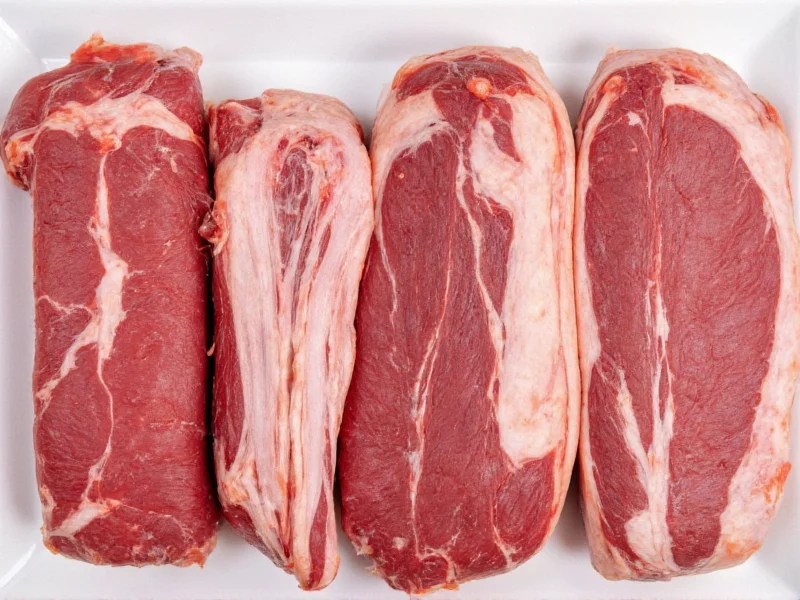
The primary types of pork meat are divided into four main primal cuts: shoulder (including Boston butt and picnic), loin (including tenderloin), belly, and leg (ham). Each primal cut is further divided into sub-primal and retail cuts, with distinct textures, fat content, and ideal cooking methods. Understanding these different types of pork meat helps home cooks select the right cut for specific recipes and cooking techniques.
When exploring the world of pork, it's essential to understand how butchers divide this versatile meat. Pork classification follows a systematic approach based on the animal's anatomy, resulting in cuts with unique characteristics perfect for various cooking applications. This comprehensive guide breaks down the different types of pork meat to help you make informed choices at the butcher counter or grocery store.
Understanding Pork Cut Classification
Pork processing begins with four primal sections that form the foundation of all pork cuts. These large sections are then broken down into sub-primal cuts, which butchers further divide into the retail cuts you find in stores. The classification system exists because different muscle groups serve different functions in the pig's body, resulting in varying textures, fat content, and connective tissue levels.
Unlike beef, which has eight primal cuts, pork's four main sections create a more streamlined system. The shoulder contains well-exercised muscles with abundant connective tissue, making them ideal for slow cooking. The loin represents the pig's back muscles, which are less worked and therefore more tender. The belly section yields extremely fatty cuts perfect for rendering or curing, while the leg (ham) provides larger, moderately exercised muscles suitable for various cooking methods.
Historical Evolution of Pork Butchering
The systematic division of pork into primal cuts has evolved significantly over centuries. Understanding this timeline provides context for today's standardized cuts:
- 1700s: Colonial American butchers stored shoulder cuts in large barrels called "butts," leading to the misnomer "Boston butt" for the upper shoulder.
- Early 1900s: Industrial refrigeration enabled consistent meat distribution, prompting regional standardization of cuts.
- 1952: The National Livestock and Meat Board established the first formal four-primal system for pork, documented in the Meat Cutting Manual.
- 1980s-Present: Genetic changes reduced average fat content by 30%, shifting consumer preference toward leaner loin cuts while maintaining traditional shoulder and belly applications.
These developments reflect technological advances and changing consumer demands, resulting in today's efficient cutting standards.
Source: National Pork Board, History of Pork
Major Primal Cuts of Pork Explained
Pork Shoulder (Boston Butt and Picnic)
The shoulder section, often called the "butt" in culinary terms, actually comes from the upper front shoulder, not the rear. This confusing naming dates back to colonial times when butchers packed these cuts in barrels called "butts." The shoulder contains two main sub-primal cuts:
- Boston butt (also called blade roast): Cut from the upper part of the shoulder, this well-marbled cut contains the shoulder blade bone. Its generous fat content and connective tissue make it perfect for pulled pork, stewing, and slow roasting.
- Picnic shoulder: Located lower on the front leg, this cut includes the hock (knee joint) and has slightly less marbling than Boston butt. It's excellent for smoking, braising, and making ham hocks.
When considering different cuts of pork explained for beginners, the shoulder section offers tremendous value. These cuts transform dramatically through slow cooking as collagen breaks down into gelatin, creating succulent, flavorful results. For those exploring pork shoulder vs pork butt differences, remember that Boston butt generally has better marbling and is preferred for pulled pork applications.
Pork Belly
Pork belly represents one of the fattiest sections of the pig, running along the underside. Raw pork belly features alternating layers of fat and meat, making it ideal for rendering fat or curing into bacon. Unlike bacon, which has been cured and smoked, fresh pork belly requires careful preparation to achieve the perfect balance of crispy skin and tender meat.
Chefs prize pork belly for its ability to transform through slow cooking methods. When prepared correctly, the fat renders while the meat becomes meltingly tender. This cut has gained popularity in modern cuisine, appearing in dishes from traditional Chinese roast pork to gourmet restaurant offerings. For those learning how to cook pork belly, low-and-slow methods followed by a high-heat finish typically yield the best results.
Pork Loin and Tenderloin
The loin runs along the pig's back, from shoulder to hip. This section contains some of the most tender cuts because these muscles receive minimal exercise. Key sub-primal cuts include:
- Pork loin roast: A large, boneless or bone-in roast suitable for oven roasting. When sliced thin, it becomes pork chops.
- Pork tenderloin: A small, cylindrical cut from beneath the loin, considered the most tender pork cut. It cooks quickly and benefits from marinades or searing.
- Rib chops: Cut from the front portion of the loin, these have a T-shaped bone and excellent marbling.
- Center-cut chops: From the middle section, these offer a balance of tenderness and flavor.
- Sirloin chops: From the rear portion, these are slightly tougher but more flavorful.
Understanding pork loin vs pork tenderloin differences is crucial for proper cooking. The tenderloin is much smaller and cooks significantly faster than loin roasts. Both benefit from careful temperature monitoring, as pork should reach 145°F (63°C) for optimal safety and texture. These lean cuts work well with grilling, pan-searing, and quick roasting methods.
| Pork Cut | Best Cooking Methods | Flavor Profile | Recommended Internal Temperature |
|---|---|---|---|
| Boston Butt | Slow roasting, smoking, braising | Rich, savory, well-marbled | 195-205°F (90-96°C) |
| Pork Belly | Slow roasting, braising, frying | Rich, fatty, succulent | 195-205°F (90-96°C) |
| Pork Loin | Roasting, grilling, pan-searing | Mild, lean, tender | 145°F (63°C) |
| Pork Tenderloin | Grilling, pan-searing, roasting | Delicate, lean, tender | 145°F (63°C) |
| Ham (Fresh) | Roasting, baking, smoking | Savory, moderately fatty | 145°F (63°C) |
Contextual Limitations of Pork Cuts
Each cut's suitability depends on specific preparation constraints. These physiological boundaries, verified through USDA meat science research, prevent common cooking failures:
- Shoulder Cuts: Require minimum collagen breakdown temperature (190°F/88°C) sustained for 8+ hours. Attempts to grill directly yield tough, chewy texture due to unrendered connective tissue.
- Pork Belly: Fat content (60-70%) necessitates controlled rendering environments. Direct grilling causes dangerous flare-ups; oven roasting with weighted pressing is mandatory for safe preparation.
- Loin Cuts: Lean composition (5-10% fat) creates narrow doneness window. Temperatures exceeding 150°F (66°C) cause irreversible moisture loss, making well-done preparation scientifically inadvisable.
- Ham (Fresh): Dense muscle fibers require minimum 20 minutes per pound cooking time. High-heat acceleration creates thermal gradient >30°F between surface and center, risking undercooked interior.
Adhering to these boundaries ensures optimal texture development while meeting food safety requirements.
Source: University of Minnesota Extension, Cooking Pork Cuts
Pork Leg (Fresh Ham)
The leg section, often sold as fresh ham (before curing), provides substantial cuts ideal for feeding groups. Unlike cured ham, fresh ham requires cooking and resembles pork loin in flavor but with slightly more connective tissue. This cut includes:
- Whole fresh ham: Can be cooked bone-in or boneless, typically requiring longer cooking times due to size.
- Semi-boneless ham: The shank bone is removed but the hip bone remains.
- Ham steaks: Cross-section slices, often grilled or pan-fried.
When selecting fresh ham, look for even pink color and moderate marbling. This versatile cut works well with roasting, braising, and slow cooking methods. Many home cooks appreciate fresh ham for its ability to feed crowds while remaining relatively lean compared to shoulder cuts.
Pork Ribs: A Special Category
Ribs deserve special attention as they represent some of the most popular pork cuts for grilling and smoking. The three main types include:
- Spareribs: Cut from the belly side, these are meatier with more fat and connective tissue. They contain 11-13 bones and benefit from slow cooking.
- St. Louis-style ribs: A trimmed version of spareribs with the breastbone removed, creating a more uniform rectangular shape.
- Baby back ribs: Taken from along the spine, these are shorter, leaner, and more tender than spareribs. They typically cook faster and command a higher price.
For those researching types of pork ribs, understanding these distinctions helps select the right cut for your cooking method and taste preferences. Baby backs work well for quicker cooking, while spareribs shine with low-and-slow barbecue techniques. Each type responds differently to seasoning and cooking methods, making them suitable for various regional barbecue styles.
Selecting and Using Different Pork Cuts
When choosing pork cuts, consider these practical guidelines:
- For slow cooking and shredding: Shoulder cuts (Boston butt, picnic) provide the best results due to their connective tissue content.
- For quick cooking methods: Loin cuts (tenderloin, chops) work best as they're naturally tender and cook rapidly.
- For rich, fatty textures: Pork belly delivers unmatched richness when properly prepared.
- For large gatherings: Fresh ham or whole shoulder roasts feed crowds economically.
- For grilling: Tenderloin, center-cut chops, and baby back ribs offer excellent grill performance.
When evaluating fresh pork, look for pale pink color (not gray), firm texture, and moderate marbling. Avoid cuts with excessive liquid in the packaging or unpleasant odors. Proper storage is crucial—keep pork refrigerated below 40°F (4°C) and use within 3-5 days, or freeze for longer storage.
Understanding these different types of pork meat transforms your cooking experience. Whether you're searching for best pork cuts for grilling or exploring pork cuts for slow cooking, matching the right cut to your cooking method ensures optimal results. This knowledge helps you navigate butcher counters with confidence and create delicious pork dishes tailored to your specific culinary goals.




 浙公网安备
33010002000092号
浙公网安备
33010002000092号 浙B2-20120091-4