
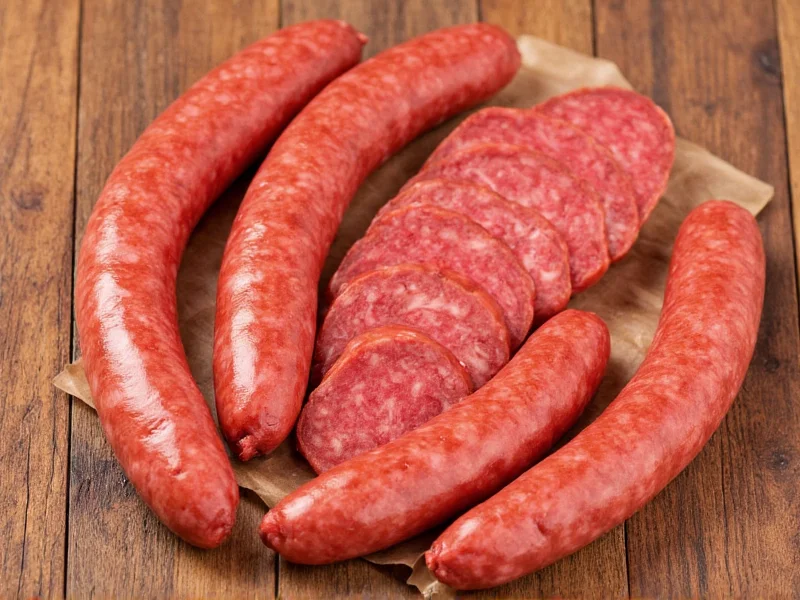
When shopping for Italian sausage or planning a recipe, understanding the distinction between sweet and mild varieties is essential for achieving your desired flavor profile. Despite the confusing naming convention, both types are considered 'mild' in terms of heat level, with the 'sweet' designation referring specifically to the addition of sweet basil rather than sugar content.
Understanding Italian Sausage Varieties
Italian sausage, known as salsiccia in Italy, traditionally comes in three main varieties: sweet, mild, and hot. The confusion often arises because "mild" and "sweet" are frequently used interchangeably in casual conversation, though they represent distinct flavor profiles. This regional specialty has evolved differently in American markets compared to its Italian origins, where regional variations abound.
Ingredient Comparison: Sweet vs Mild
The fundamental difference between these two sausage types comes down to specific herbs and seasonings. While both varieties share common base ingredients like ground pork, salt, and black pepper, their distinctive flavor elements set them apart.
| Characteristic | Sweet Italian Sausage | Mild Italian Sausage |
|---|---|---|
| Primary Herb | Sweet basil | Fennel seeds |
| Heat Level | No heat (0 SHU) | No heat (0 SHU) |
| Additional Seasonings | Garlic, black pepper, sometimes oregano | Garlic, black pepper, sometimes marjoram |
| Color | Pale pink with visible green flecks of basil | Pale pink with visible fennel seeds |
| Flavor Profile | Herbaceous, subtly sweet, aromatic | Earthy, slightly licorice-like, aromatic |
Flavor Profiles Explained
Sweet Italian sausage gets its name from the inclusion of sweet basil, not from sugar content. The basil provides a fresh, slightly sweet herbal note that complements the richness of the pork. This variety often contains additional herbs like oregano that enhance its aromatic profile. Despite the "sweet" designation, it contains no actual sugar—this is a common misconception among home cooks.
Mild Italian sausage relies on fennel as its signature flavor component. Fennel seeds provide an earthy, slightly licorice-like flavor that's distinctive but not overpowering. The "mild" refers to the absence of any spicy elements, not to the intensity of the fennel flavor. Many American consumers mistakenly believe mild sausage is "plainer," but it actually has a more pronounced herbal character than sweet variety.
Culinary Applications
Understanding these differences is crucial for recipe success:
- Sweet Italian sausage works best in dishes where you want a subtle herbal note without competing flavors—perfect for pasta sauces, pizza toppings, and stuffed mushrooms where the basil complements tomato-based sauces.
- Mild Italian sausage shines in recipes where the distinctive fennel flavor can be appreciated—ideal for sausage and peppers, soups, and stuffings where its earthy notes add complexity.
Chefs often recommend keeping both varieties on hand, as they serve different culinary purposes despite their similar heat levels. The choice between sweet and mild ultimately depends on whether you prefer the fresh herbal notes of basil or the distinctive earthiness of fennel in your dishes.
Common Misconceptions Clarified
Several myths persist about these sausage varieties:
- Misconception: Sweet Italian sausage contains sugar
Reality: The "sweet" refers to the sweet basil herb, not sugar content. Neither variety typically contains added sugars. - Misconception: Mild is just unseasoned sausage
Reality: Mild sausage is specifically seasoned with fennel and other herbs—it's not simply "plain" sausage. - Misconception: Sweet is for desserts
Reality: Despite the name, sweet Italian sausage is exclusively used in savory applications.
Shopping and Substitution Tips
When purchasing Italian sausage, check ingredient labels carefully as naming conventions vary by manufacturer. Some producers use "sweet" and "mild" interchangeably, while others maintain the traditional distinction. If you can't find the specific variety you need:
- Substitute mild for sweet by adding 1-2 teaspoons of fennel seeds per pound of sweet sausage
- Substitute sweet for mild by adding 1-2 tablespoons of chopped fresh basil per pound of mild sausage
- For authentic Italian flavor, look for sausages with minimal ingredients—ideally just pork, salt, pepper, and the defining herbs
Remember that regional variations exist—what's labeled as "sweet" in one area might be called "mild" in another. The most reliable approach is checking the ingredient list rather than relying solely on the product name.
Storage and Handling Guidelines
Both sweet and mild Italian sausages should be treated identically in terms of storage:
- Refrigerate uncooked sausage for up to 1-2 days
- Freeze for longer storage (up to 2-3 months)
- Always cook to an internal temperature of 160°F (71°C)
- Never consume raw Italian sausage
Proper handling ensures food safety while preserving the delicate flavor balance that distinguishes these varieties.
Conclusion
The difference between sweet and mild Italian sausage ultimately comes down to specific herb profiles rather than heat level or sweetness. Sweet Italian sausage features basil as its signature ingredient, while mild Italian sausage highlights fennel. Understanding this distinction allows home cooks and professional chefs to select the appropriate variety for their recipes, ensuring the intended flavor profile is achieved. When shopping, always check ingredient labels rather than relying solely on product names, as regional variations in terminology can cause confusion. With this knowledge, you can confidently choose between sweet and mild Italian sausage varieties to create authentic, flavorful dishes.
Frequently Asked Questions
Is sweet Italian sausage actually sweet?
No, sweet Italian sausage isn't sweet in the sugary sense. The "sweet" refers to the inclusion of sweet basil as a key ingredient, which provides a subtle herbal sweetness. Neither sweet nor mild Italian sausage contains added sugar—both are savory products intended for cooked dishes.
Can I substitute sweet for mild Italian sausage in recipes?
Yes, but with flavor considerations. Sweet and mild Italian sausage can generally be substituted for one another since neither contains spicy elements. However, the flavor profile will change—sweet sausage brings basil notes while mild brings fennel. For best results, add 1-2 teaspoons of fennel seeds when substituting sweet for mild, or add fresh basil when substituting mild for sweet.
Why do some brands label the same product as both sweet and mild?
This inconsistency stems from regional naming variations and lack of standardized labeling for Italian sausage in the United States. Some manufacturers use "sweet" and "mild" interchangeably, while others maintain the traditional distinction. The most reliable approach is checking the ingredient list rather than relying solely on the product name to determine which herbs are featured.
Does mild Italian sausage contain any spicy ingredients?
No, authentic mild Italian sausage contains no spicy ingredients. Both mild and sweet varieties are non-spicy. If you're looking for heat, you need hot Italian sausage, which contains red pepper flakes. The "mild" designation specifically means the absence of spicy elements, not that the flavor is bland—the fennel in mild sausage provides a distinctive, pronounced flavor.
What's the difference between Italian sausage and regular breakfast sausage?
Italian sausage is characterized by fennel and/or basil as primary seasonings, while American breakfast sausage typically features sage, thyme, and red pepper. Italian sausage uses coarser meat grind and higher fat content (usually 30%), giving it a juicier texture. The flavor profiles are distinctly different—Italian sausage has Mediterranean herb notes while breakfast sausage has more traditional American breakfast spices.




 浙公网安备
33010002000092号
浙公网安备
33010002000092号 浙B2-20120091-4