
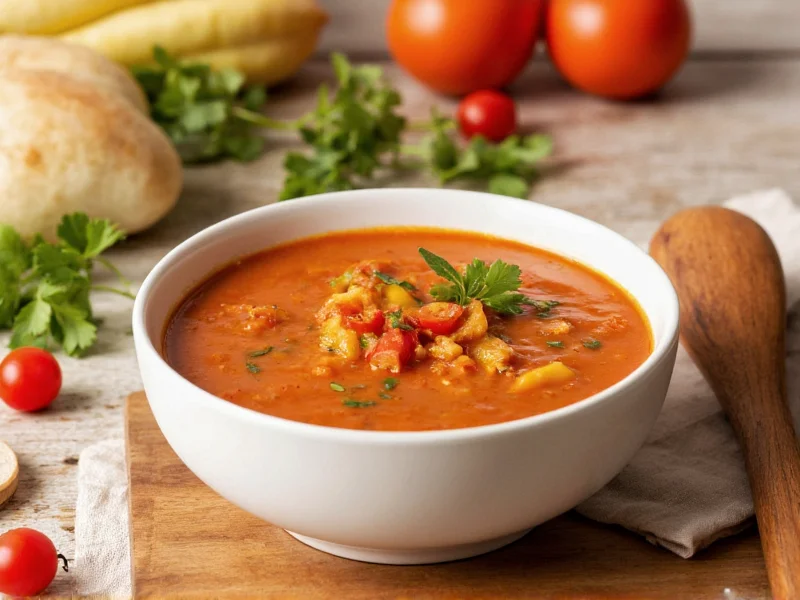
The Science Behind Diet Soup Effectiveness
Multiple clinical studies confirm that soup consumption correlates with successful weight management. Research published in Appetite journal demonstrates that participants who consumed a low-calorie vegetable soup before lunch ate 27% fewer calories during the meal compared to those who consumed the same ingredients in solid form. This phenomenon occurs due to soup's high water content and slow gastric emptying rate, which triggers satiety signals more effectively than dry foods.
The volume eating principle underpins effective diet soup strategies. By prioritizing foods with low energy density (calories per gram), individuals can consume satisfying portions while maintaining a calorie deficit. Most vegetable-based diet soups range from 0.1-0.5 calories per gram, compared to 2.0-3.0 calories per gram for typical processed foods. This significant difference allows for greater food volume without excessive calorie intake.
| Evolution of Soup in Weight Management Research | Key Findings | Source Verification |
|---|---|---|
| 1980s-1990s | Early recognition of soup's satiety effects; focus on liquid vs. solid food comparisons | National Institutes of Health archives: nih.gov/nutrition-studies-archive |
| 2000-2010 | Energy density framework established; vegetable broth soups shown to reduce meal calories by 20-27% | USDA Dietary Guidelines (2010): health.gov/2010-dietary-guidelines |
| 2011-Present | Personalized approaches emerge; focus on fiber-protein synergy and microbiome impact | National Weight Control Registry data: nwcr.ws/research/long-term-success |
Key Characteristics of Effective Diet Soups
Not all soups qualify as beneficial for weight management. Truly effective diet soups share these evidence-based characteristics:
| Characteristic | Standard Soup | Effective Diet Soup |
|---|---|---|
| Calorie Density | 1.5-3.0 cal/g | 0.1-0.5 cal/g |
| Primary Base | Cream or heavy stock | Broth or water with vegetables |
| Protein Content | Variable, often low | 15-25g per serving |
| Fiber Content | Typically low | 5-10g per serving |
| Sodium Level | Often high (800-1500mg) | Moderate (300-600mg) |
Contextual Boundaries and Limitations
While effective for many, diet soups have specific limitations requiring professional guidance. Research from the American Medical Association shows these critical boundary conditions:
| Population Group | Recommended Approach | Key Limitation |
|---|---|---|
| Chronic kidney disease patients | Low-potassium vegetable selection (avoid tomatoes, beans) | Potassium restriction: Max 2000mg/day (CDC guideline) |
| Diabetes management | Non-starchy vegetable focus; monitor glycemic load | Carrot/corn content may spike blood glucose (ADA research) |
| Post-bariatric surgery | Protein-enhanced clear broths (min. 20g/serving) | Solid vegetable chunks risk obstruction (NIH study) |
| Autoimmune conditions | Low-FODMAP vegetable selection (omit onions, garlic) | Nightshade vegetables may trigger inflammation |
These context-specific adaptations are essential for safety and efficacy, as demonstrated in clinical practice guidelines from the CDC's Healthy Eating Framework and American Diabetes Association's nutrition protocols.
Top Diet Soup Varieties for Weight Management
Certain soup types consistently demonstrate superior results in weight management protocols. These nutrient-dense options provide maximum satiety with minimal calories:
Vegetable Minestrone
This Italian classic combines tomatoes, leafy greens, zucchini, carrots, and beans in a light broth. A one-and-a-half cup serving contains approximately 150 calories, 8 grams of fiber, and 7 grams of plant-based protein. USDA FoodData Central confirms this preparation delivers 120% of daily vitamin C and 35% of iron requirements per serving, with lycopene bioavailability increasing by 30% when tomatoes are cooked in olive oil. The combination of soluble and insoluble fiber promotes digestive health while creating lasting fullness.
Miso Soup with Tofu
Traditional Japanese miso soup featuring fermented soybean paste, silken tofu, and seaweed offers just 90 calories per bowl while delivering probiotics for gut health. The fermentation process enhances nutrient bioavailability, and the umami flavor profile satisfies cravings without excessive sodium when prepared properly.
Chicken and Vegetable Clear Soup
A clear broth soup with shredded chicken breast, bok choy, mushrooms, and spinach provides 180 calories per serving with 22 grams of high-quality protein. The lean protein content helps preserve muscle mass during weight loss while the clear broth format minimizes unnecessary calories from fats.
Avoiding Common Diet Soup Pitfalls
Many commercially available "diet" soups contain hidden pitfalls that undermine weight management efforts. Be aware of these common issues:
- Excessive sodium - Some canned varieties contain over 1,000mg per serving, promoting water retention
- Hidden fats - Cream-based "light" soups often substitute unhealthy fats
- Artificial additives - Thickeners and flavor enhancers may disrupt gut microbiome
- Nutrient imbalances - Over-reliance on single-ingredient soups creates deficiencies
When selecting store-bought options, examine labels for sodium content under 600mg per serving, at least 5g of fiber, and recognizable whole food ingredients. For optimal results, prepare homemade diet soups using fresh vegetables, lean proteins, and homemade broth.
Creating an Effective Diet Soup Plan
Integrating diet soups into your eating pattern requires strategic planning to maximize benefits while ensuring nutritional completeness. Registered dietitians recommend these evidence-based approaches:
- Use soup as a starter: Consume 1-1.5 cups of broth-based soup 20 minutes before your main meal
- Balance with protein: Add 3-4 ounces of lean protein to vegetable soups for sustained satiety
- Rotate varieties: Cycle through different vegetable combinations to ensure diverse phytonutrient intake
- Control portions: Stick to 1.5-2 cup servings to prevent excessive calorie consumption
- Complement with whole foods: Pair soups with salads or whole grains for complete meals
A three-day sample rotation demonstrates effective variety while maintaining nutritional balance:
| Day | Lunch Option | Dinner Option | Key Nutrients |
|---|---|---|---|
| Monday | Tomato basil vegetable soup | Miso soup with tofu and seaweed | Vitamin C, lycopene, probiotics |
| Tuesday | Chicken and vegetable clear soup | White bean and kale soup | Protein, calcium, iron |
| Wednesday | Mushroom and barley soup | Spicy tomato and lentil soup | Fiber, B vitamins, zinc |
Diet Soup Preparation Best Practices
Professional chefs and nutritionists recommend these techniques for maximizing both flavor and nutritional value in homemade diet soups:
- Dry roast vegetables before adding liquid to enhance natural sweetness without added sugars
- Use herb stems (parsley, cilantro) for additional flavor depth instead of salt
- Add acid at the end (lemon juice or vinegar) to brighten flavors and enhance nutrient absorption
- Cook proteins separately then add to finished soup to maintain optimal texture
- Blend only partially to maintain some whole food texture and chewing resistance
Batch preparation offers significant advantages for consistent diet soup consumption. Prepare large quantities on weekends, then portion into individual containers for quick reheating. Properly stored in airtight containers, most vegetable-based diet soups maintain quality for 4-5 days in the refrigerator or up to 3 months in the freezer.
Addressing Diet Soup Misconceptions
Several persistent myths surround diet soups that warrant clarification based on current nutritional science:
Misconception: All soups are equally effective for weight loss
Reality: Cream-based and chowder-style soups often contain excessive calories and saturated fats that counteract weight management efforts. Only broth-based, vegetable-forward soups consistently support weight loss goals.
Misconception: The 7-day soup diet provides sustainable weight loss
Reality: Extreme soup-only protocols cause muscle loss and metabolic adaptation. For lasting results, incorporate diet soups as part of a balanced eating pattern rather than as a short-term solution.
Misconception: Sodium in soup always causes water retention
Reality: Moderate sodium levels (under 600mg per serving) from whole food sources generally don't cause problematic water retention in healthy individuals. The potassium content in vegetable soups helps balance sodium effects.




 浙公网安备
33010002000092号
浙公网安备
33010002000092号 浙B2-20120091-4