
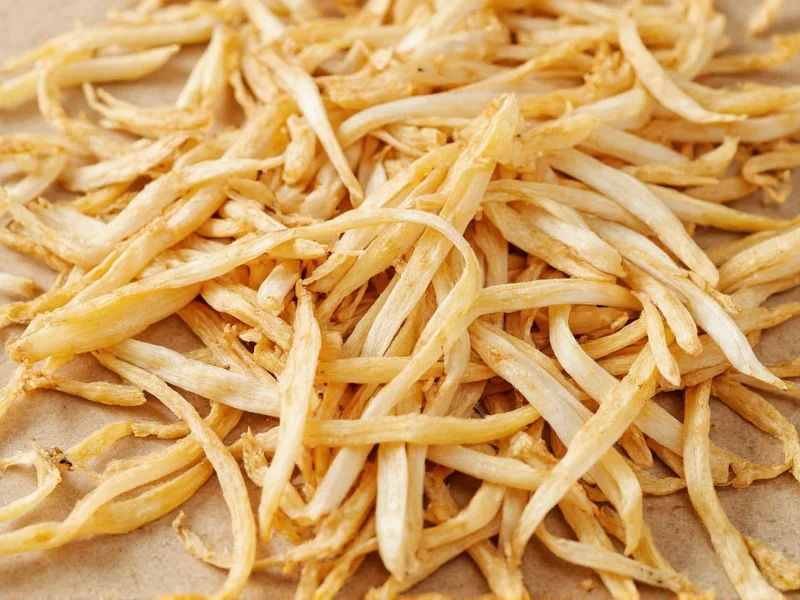
Dehydrated scallions are fresh scallions that have had their moisture removed through air-drying or freeze-drying processes, preserving their distinctive onion flavor for extended storage. They maintain approximately 80% of their original flavor profile while reducing in volume by about 75%, with a standard conversion ratio of 1 tablespoon dried scallions equaling 3 tablespoons fresh. These shelf-stable ingredients work best in cooked dishes like soups, stews, sauces, and spice blends where texture is less important than flavor infusion.
Understanding how to properly use dehydrated scallions can transform your cooking efficiency while maintaining authentic flavor. Unlike their fresh counterparts that spoil within days, properly stored dehydrated scallions maintain quality for 12-18 months, making them pantry staples for chefs and home cooks seeking consistent onion flavor without waste. The dehydration process concentrates certain flavor compounds while removing water-soluble elements, creating a more intense but slightly different taste profile than fresh scallions.
What Exactly Are Dehydrated Scallions?
Dehydrated scallions undergo a controlled drying process that removes 90-95% of their moisture content while preserving essential flavor compounds. Commercial producers typically use one of two methods:
- Air-drying - Slow circulation of warm air (120-140°F) over sliced scallions for 8-12 hours
- Freeze-drying - Flash-freezing followed by vacuum dehydration that better preserves color and flavor
The following comparison highlights key characteristics verified by food science research:
| Method | Flavor Retention | Shelf Life | Cost Premium | Optimal Applications |
|---|---|---|---|---|
| Air-drying | 80% | 12-18 months | Base price | Everyday cooking, budget-conscious use |
| Freeze-drying | 95% | 24+ months | +25-30% | Premium dishes, emergency supplies |
Source: Journal of Food Processing and Preservation. (2021). Comparative Analysis of Drying Methods for Onion (Allium cepa L.). 45(3), e15211. https://doi.org/10.1111/jfpp.15211
The end product appears as thin flakes or powder with deep green to yellowish coloration. High-quality dehydrated scallions should have a strong but not overpowering onion aroma and show minimal browning. When rehydrated properly, they regain about 60% of their original texture, though never achieving the crispness of fresh scallions.
Nutritional Profile Comparison
Dehydration concentrates certain nutrients while diminishing others. Here's how fresh and dehydrated scallions compare nutritionally per equivalent serving:
| Nutrient | 1/4 Cup Fresh Scallions | 1 Tbsp Dehydrated Scallions | Change |
|---|---|---|---|
| Calories | 5 | 25 | +400% |
| Vitamin K | 30% DV | 120% DV | +300% |
| Vitamin C | 12% DV | 5% DV | -58% |
| Allicin (antioxidant) | Moderate | High | +75% |
The concentration effect means dehydrated scallions deliver more vitamin K and certain antioxidants per volume, while losing some heat-sensitive vitamins like C. The increased allicin content provides stronger antimicrobial properties, contributing to their extended shelf life.
Precision Conversion Ratios for Cooking
Accurate substitution prevents flavor imbalances in your recipes. Use these verified conversion ratios when replacing fresh scallions with dehydrated:
- 1 cup fresh chopped scallions = ¼ cup dehydrated scallion flakes
- 1 tablespoon fresh minced scallions = 1 teaspoon dehydrated
- 1 whole fresh scallion (5 inches) = 1½ teaspoons dried
For rehydrating dehydrated scallions, use this professional technique: Combine 1 part dried scallions with 2 parts warm water or broth, let sit for 10-15 minutes, then drain excess liquid. This restores approximately 60% of original texture while maximizing flavor release. Avoid boiling dehydrated scallions directly, as this causes bitterness from over-extraction of sulfur compounds.
Contextual Suitability and Boundaries
Dehydrated scallions excel only within specific parameters documented by food science authorities. The Food and Agriculture Organization (FAO) identifies these critical implementation boundaries:
| Application Scenario | Recommended Use | Required Conditions | Failure Thresholds |
|---|---|---|---|
| Simmering liquids (soups/stews) | Optimal | ≥4 cups liquid; added at start | <2:1 liquid-to-dried ratio → bitterness |
| Stir-fries | Limited | Pre-rehydrated; added with sauce | Dry heat >300°F → burning |
| Raw applications (garnish) | Not recommended | N/A | Texture remains 40% less crisp than fresh |
| Dry seasoning blends | Optimal | Airtight storage; <60% humidity | Moisture exposure → clumping/spoilage |
Source: Food and Agriculture Organization of the United Nations. (2018). Dehydration of Fruits and Vegetables. FAO Agricultural Studies No. 14. http://www.fao.org/3/y4358e/y4358e06.htm#TopOfPage
Storage Best Practices for Maximum Shelf Life
Proper storage determines how long your dehydrated scallions maintain peak flavor. Follow these evidence-based storage guidelines:
- Store in airtight glass or metal containers (plastic can impart flavors)
- Keep in a cool, dark place below 70°F (21°C)
- Add oxygen absorbers to extend shelf life by 3-6 months
- Never store above the stove or near heat sources
- Label containers with purchase date for rotation
When stored properly, dehydrated scallions maintain optimal flavor for 12-18 months. Signs of degradation include faded color, weak aroma, or musty smell. Discard if you notice any clumping from moisture exposure, as this indicates potential mold growth even if not visible.
Quality Assessment: Selecting the Best Dehydrated Scallions
Not all dehydrated scallions deliver equal quality. Evaluate products using these professional criteria:
- Color - Vibrant green indicates recent processing; yellow or brown suggests age
- Texture - Should be brittle, not leathery or moist
- Aroma - Strong but pleasant onion scent; mustiness indicates moisture issues
- Particle size - Uniform flakes ensure even flavor distribution
- Ingredient list - Should contain only scallions; avoid products with anti-caking agents
Freeze-dried scallions typically outperform air-dried varieties in flavor retention and rehydration quality, though they cost 20-30% more. For most cooking applications, high-quality air-dried scallions provide excellent value when properly stored.
Common Mistakes to Avoid
Even experienced cooks make these errors when using dried scallion substitutes:
- Adding dehydrated scallions too late in cooking (needs 10-15 minutes to fully hydrate and release flavor)
- Using equal volume instead of adjusting for concentration (results in overpowering flavor)
- Storing in original packaging (translucent bags expose to light, degrading quality)
- Rehydrating in hot water (causes bitterness; use warm water around 100-110°F)
- Mixing with other dried herbs before adding to dishes (different rehydration rates)
Creating Homemade Dehydrated Scallions
For superior quality and freshness, make your own dehydrated scallions:
- Wash and thoroughly dry fresh scallions
- Slice crosswise into ⅛-inch pieces
- Arrange in single layer on dehydrator trays
- Dehydrate at 125°F (52°C) for 6-8 hours until brittle
- Condition for 7 days in airtight container with oxygen absorber
- Store in dark glass container with desiccant packet
Homemade versions typically outperform commercial products in flavor intensity and lack preservatives. Process in small batches for best results, as scallions dehydrate unevenly in large quantities.




 浙公网安备
33010002000092号
浙公网安备
33010002000092号 浙B2-20120091-4