
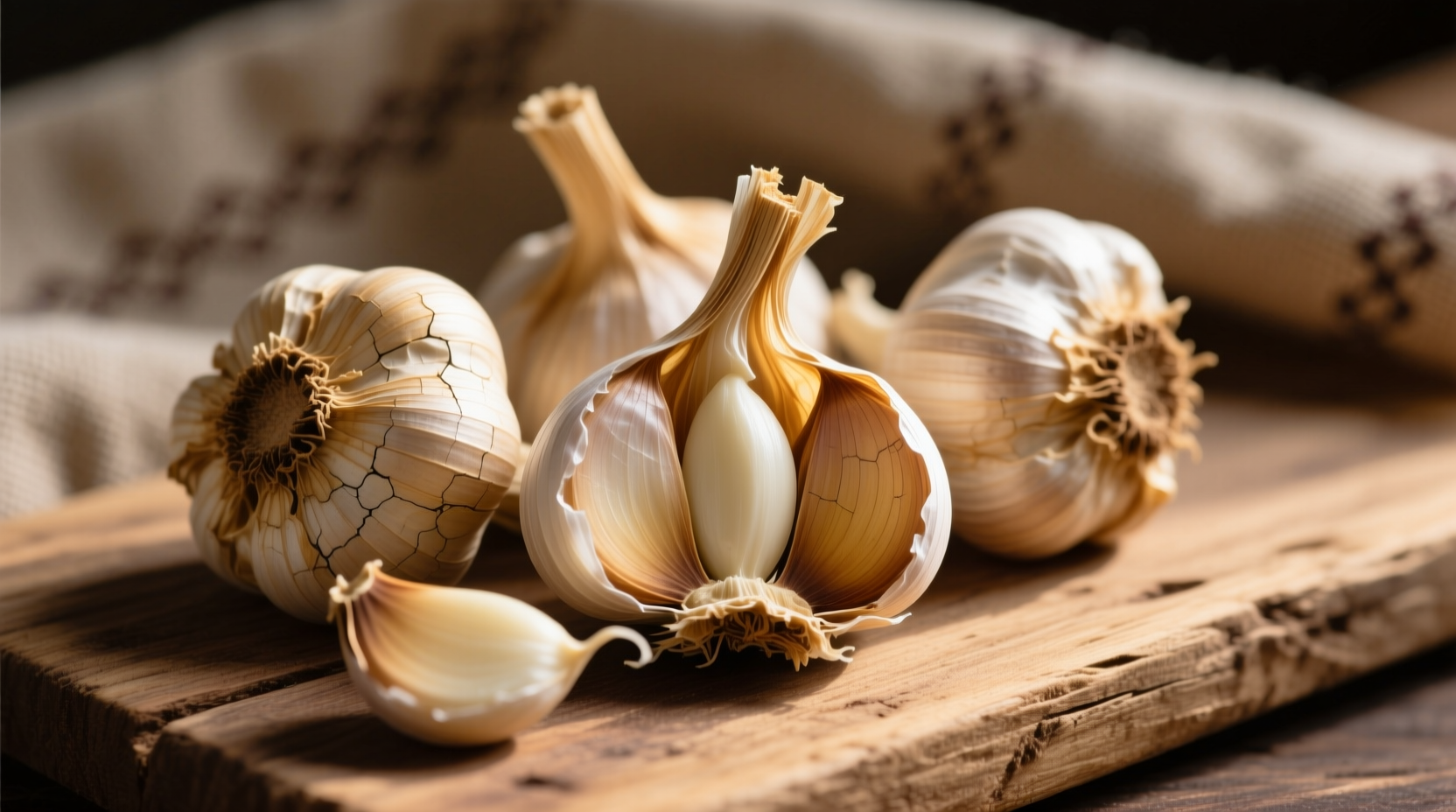
Professional chefs reach for dehydrated garlic when they need consistent flavor, extended shelf stability, and precise measurements in commercial kitchens. Unlike fresh garlic that varies in potency seasonally, dehydrated forms offer standardized flavor profiles that remain stable for months when stored properly. This comprehensive guide reveals exactly how to leverage dehydrated garlic's advantages while avoiding common pitfalls that compromise flavor.
Understanding Dehydrated Garlic: Beyond the Basics
Dehydrated garlic isn't simply dried-out fresh garlic. The transformation involves precise temperature control between 130-150°F (54-66°C) to preserve volatile flavor compounds while removing moisture. Commercial producers use specialized equipment that maintains these exact conditions for 12-24 hours, a process impossible to perfectly replicate at home.
Three primary forms dominate the market:
- Garlic flakes - Minimally processed dried cloves, ideal for slow-cooked dishes
- Garlic granules - Medium grind that dissolves partially in liquids
- Garlic powder - Finely ground for instant incorporation into dry rubs and sauces
| Form | Particle Size | Best Culinary Uses | Rehydration Time |
|---|---|---|---|
| Flakes | 1-3mm pieces | Stews, soups, braises | 15-20 minutes |
| Granules | Fine shreds | Sauces, dressings, marinades | 5-10 minutes |
| Powder | 0.2-0.5mm | Dry rubs, spice blends, baked goods | Instant |
Nutritional Transformation: What Science Reveals
Dehydration concentrates nutrients by removing water content, but affects different compounds variably. According to USDA FoodData Central analysis, 100g of dehydrated garlic contains approximately three times the macronutrients of fresh garlic by weight. However, the process impacts specific compounds differently:
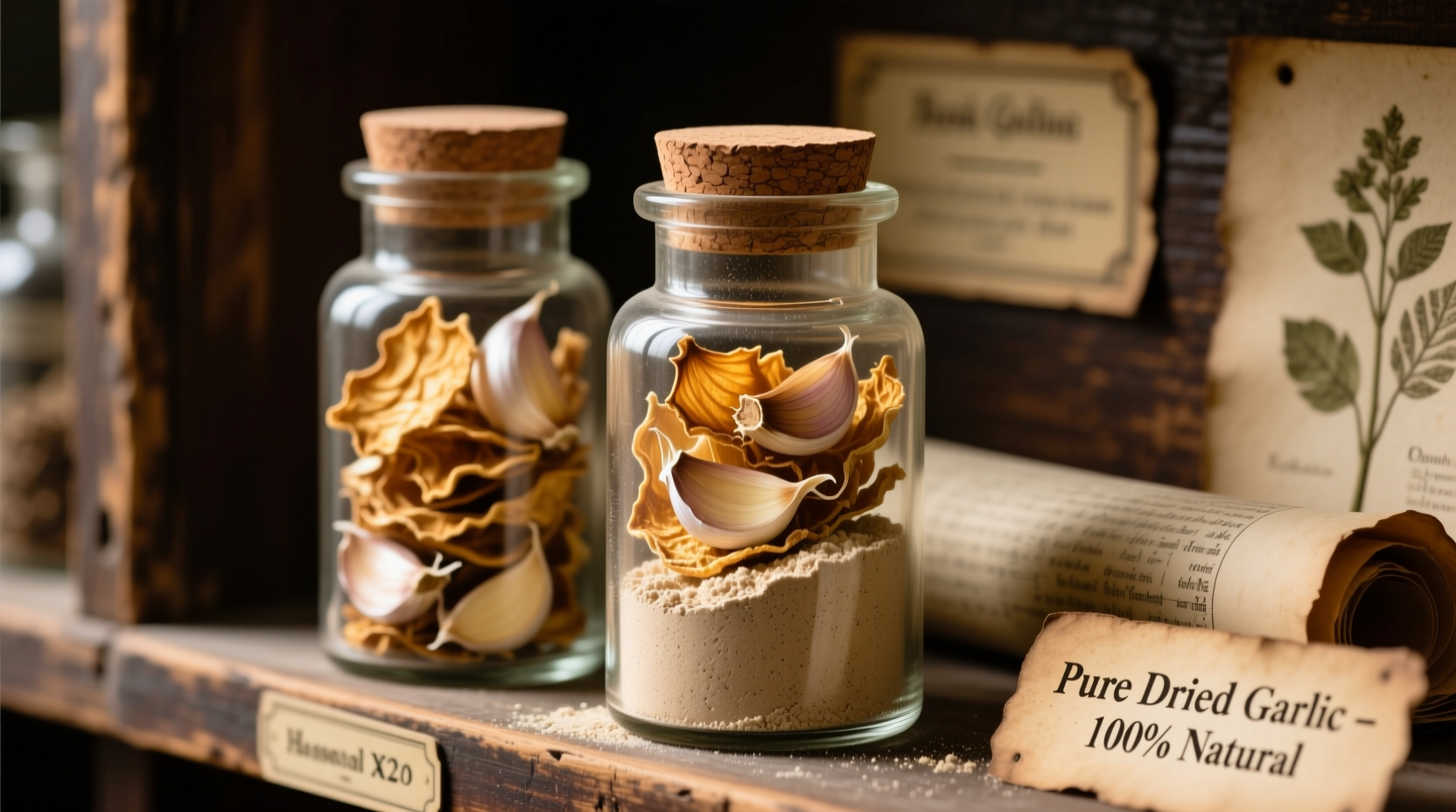
Research published in the Journal of Food Science demonstrates that while vitamin C degrades significantly during dehydration (dropping from 31.2mg to 20mg per 100g), certain organosulfur compounds actually increase in concentration due to water removal. The key compound allicin, responsible for garlic's health benefits, converts to more stable compounds like diallyl disulfide during drying, maintaining therapeutic properties despite the transformation.
Culinary Applications: When Dehydrated Outperforms Fresh
Professional kitchens strategically choose dehydrated garlic for specific applications where fresh garlic would be impractical:
Dry Rubs and Spice Blends
"Dehydrated garlic integrates seamlessly into dry spice mixtures without introducing moisture that could cause clumping or spoilage," explains Antonio Rodriguez, culinary specialist. "For barbecue rubs, I use a 3:1 ratio of granules to powder - the granules provide texture while the powder ensures even flavor distribution."
Long-Term Storage Requirements
Food service operations preparing meals for disaster relief or military rations rely on dehydrated garlic's 18-month shelf stability. Unlike fresh garlic that sprouts or molds, properly stored dehydrated garlic maintains consistent flavor in emergency food supplies.
Precise Flavor Control
Baking applications demand exact garlic measurements impossible with fresh cloves. Artisan bread makers use 1/8 teaspoon of garlic powder per loaf to achieve consistent results across batches, whereas fresh garlic's variable moisture content would alter dough hydration.
Storage Science: Maximizing Shelf Life
Dehydrated garlic's longevity depends entirely on storage conditions. Research from the National Center for Home Food Preservation shows these critical factors:
- Moisture exposure - Even 10% humidity causes clumping within weeks
- Light exposure - UV rays degrade flavor compounds within 3 months
- Oxygen contact - Causes oxidation that creates bitter off-flavors
The optimal storage solution: airtight glass containers in a cool, dark pantry. Under these conditions, dehydrated garlic maintains peak quality for 12-18 months. Freezing extends viability to 24 months but risks moisture absorption during thawing cycles.
Homemade Dehydration: Practical Techniques
While commercial dehydration achieves optimal results, home cooks can produce acceptable dehydrated garlic using these methods:
- Dehydrator method - Slice cloves 1/8" thick, dehydrate at 140°F (60°C) for 12 hours
- Oven method - Place slices on parchment paper, oven at lowest setting with door ajar for 4-6 hours
- Air drying - String whole cloves, hang in well-ventilated dark space for 3-4 weeks
Quality control tip: Properly dehydrated garlic should snap cleanly when bent. Flexible pieces retain too much moisture and will mold in storage.
Avoiding Common Flavor Pitfalls
Three critical mistakes undermine dehydrated garlic's potential:
Overuse in Wet Applications
Dehydrated garlic expands 3-4x when rehydrated. Using equal volumes to fresh garlic creates overpowering results. For sauces and soups, use 1/3 the amount you would of fresh garlic.
High-Heat Application
Unlike fresh garlic that benefits from sautéing, dehydrated garlic burns at temperatures above 325°F (163°C). Always add it during the last 5 minutes of cooking or incorporate into cold preparations.
Poor Substitution Ratios
Understanding equivalent measurements prevents flavor disasters:
- 1 fresh clove = 1/8 teaspoon powder
- 1 fresh clove = 1/4 teaspoon granules
- 1 fresh clove = 1/2 teaspoon flakes
When Fresh Garlic Remains Superior
Despite dehydrated garlic's advantages, fresh remains preferable for:
- Raw applications like aioli or salad dressings
- Dishes requiring garlic's distinctive pungent "bite"
- Recipes where visual presentation of fresh garlic matters
- Short-term cooking where maximum allicin content is desired
The choice ultimately depends on your specific culinary goals. For long-cooked dishes where garlic should meld into the background, dehydrated forms provide consistent, mellow flavor. For dishes where garlic should shine prominently, fresh remains unmatched.




 浙公网安备
33010002000092号
浙公网安备
33010002000092号 浙B2-20120091-4