
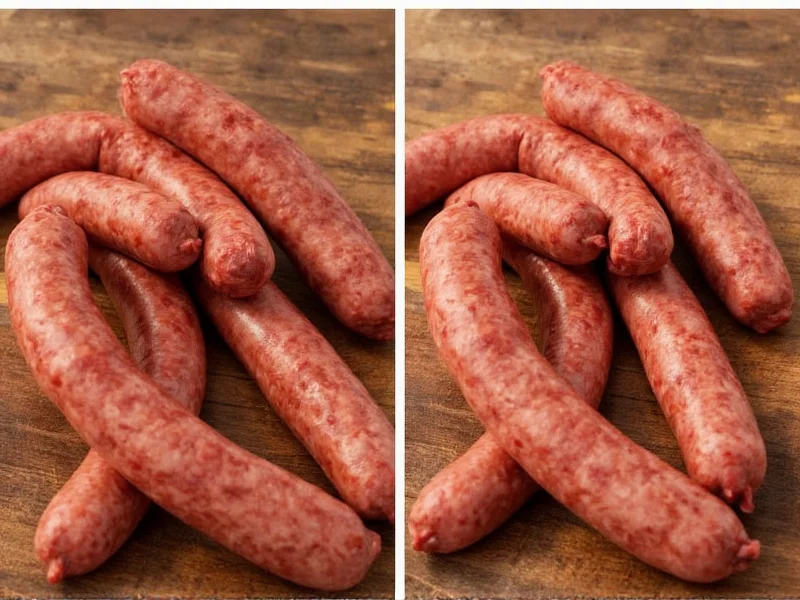
Making exceptional deer meat sausage starts with understanding venison's unique properties. Unlike domestic pork or beef, wild game is extremely lean, which presents both opportunities and challenges for sausage making. Without proper fat content, venison sausage becomes dry and crumbly. This comprehensive guide provides field-tested recipes and expert techniques for transforming your deer harvest into restaurant-quality sausage.
Why Venison Sausage Excels
Venison sausage offers a distinctive flavor profile that's richer and more complex than conventional meats. The natural diet of wild deer contributes to leaner meat with higher protein content and less saturated fat.
| Nutrient | Wild Venison (per 100g) | Pork (per 100g) | Beef (80% lean, per 100g) |
|---|---|---|---|
| Calories | 129 | 143 | 250 |
| Protein | 25.7g | 21.2g | 17.1g |
| Total Fat | 2.3g | 7.0g | 20.0g |
| Saturated Fat | 0.8g | 2.6g | 7.8g |
When properly prepared, deer meat sausage delivers a gourmet experience that showcases the essence of wild game while maintaining the familiar texture and juiciness expected from quality sausage.
Essential Considerations for Deer Meat Sausage
Meat-to-Fat Ratio Requirements
Venison's leanness demands careful attention to fat content. The optimal ratio for deer meat sausage recipes is 70% lean venison to 30% fat. This balance ensures proper binding, moisture retention, and flavor development. Suitable fat sources include:
- Pork fatback (most traditional option)
- Bacon (adds smoky flavor)
- Beef suet (for deeper flavor)
- Duck fat (for gourmet applications)
| Meat Type | Natural Fat Content | Required Added Fat | Best Fat Source |
|---|---|---|---|
| Deer backstrap | 2-5% | 25-28% | Pork fatback |
| Deer shoulder | 8-12% | 18-22% | Bacon |
| Mixed trimmings | 10-15% | 15-20% | Beef suet |
Contextual Adjustments for Fat Ratio
While the 70% lean venison to 30% fat ratio serves as the foundational guideline, specific applications require contextual adjustments as documented by the University of Minnesota Extension. Key considerations include:
- Smoked sausages for secondary cooking: Reduce fat content to 25% when the sausage will undergo prolonged cooking (e.g., in soups or stews) to prevent excessive fat rendering.
- Fresh consumption sausages: Maintain 30% fat for breakfast sausages or patties that will be cooked immediately, ensuring optimal juiciness.
- Safety threshold: Never reduce fat below 25% as this compromises protein binding and moisture retention, critical for both texture and food safety.
These adjustments preserve the sausage's integrity while accommodating diverse culinary applications, always starting from the scientifically validated 70:30 baseline.
Food Safety for Wild Game Sausage
Proper handling of deer meat is non-negotiable for safe sausage production. Always follow these guidelines when preparing homemade venison sausage:
- Process meat within 24 hours of harvest or ensure proper freezing
- Maintain temperatures below 40°F (4°C) during preparation
- Grind meat and fat at temperatures below 32°F (0°C) to prevent smearing
- Cook sausage to an internal temperature of 160°F (71°C)
- Refrigerate cooked sausage within 2 hours
Classic Venison Breakfast Sausage Recipe
This versatile deer meat sausage recipe works perfectly for morning meals or as a base for other variations. The maple-sage combination complements venison's natural flavor without overpowering it.
Ingredients for 5 pounds of sausage
- 3.5 lbs (70%) ground venison (chilled)
- 1.5 lbs (30%) pork fatback (chilled)
- 2 tbsp kosher salt
- 1 tbsp freshly ground black pepper
- 2 tbsp dried sage
- 1 tbsp dried thyme
- 2 tsp maple sugar
- 1 tsp garlic powder
- 1/2 cup ice-cold water or apple cider
- Natural hog casings (optional)
Step-by-Step Instructions
- Chill all equipment and ingredients overnight
- Cut venison and fat into 1-inch cubes and return to freezer for 30 minutes
- Grind through coarse plate (8mm) into chilled bowl over ice
- Mix seasonings with cold liquid, then blend thoroughly into meat mixture
- Refrigerate mixture for 12-24 hours for flavor development
- Grind again through fine plate (4.5mm) if desired texture
- Stuff into casings or form into patties
- Refrigerate 24 hours before cooking to allow flavors to meld
Popular Venison Sausage Variations
Smoked Venison Andouille
For hunters seeking traditional smoked deer meat sausage recipes, this Cajun-inspired version delivers complex flavor. Increase paprika to 3 tablespoons, add 2 teaspoons cayenne pepper, and 1 tablespoon smoked paprika. After stuffing, smoke at 225°F (107°C) until internal temperature reaches 155°F (68°C), then finish cooking as needed. The resulting smoked deer meat sausage works perfectly for gumbo, jambalaya, or grilled as a main course.
Italian-Style Venison Sausage
Replace sage and thyme with 2 tablespoons fennel seed (lightly crushed), 3 cloves minced garlic, 1 tablespoon dried oregano, and 1 teaspoon red pepper flakes. For authentic Italian venison sausage recipes, consider adding 1/4 cup dry red wine during mixing. This variation pairs beautifully with pasta dishes or grilled with peppers and onions.
Troubleshooting Common Venison Sausage Problems
Dry or Crumbly Texture
This issue almost always stems from insufficient fat content or overprocessing. Remember that the best deer meat to fat ratio for sausage is non-negotiable at 70:30. If your sausage remains dry, increase fat content by 5% in your next batch. Also ensure you're not overmixing the meat after adding seasonings, as this can damage protein structure.
Weak Flavor Development
Venison's delicate flavor requires proper seasoning and resting time. Always allow your seasoned meat mixture to rest refrigerated for at least 12 hours before cooking. This critical step in traditional venison sausage seasoning allows flavors to penetrate the meat fully. Consider increasing salt content by 10-15% compared to pork sausage recipes, as venison requires slightly more seasoning to achieve balanced flavor.
Storage and Cooking Guidelines
Proper storage ensures your deer meat sausage maintains quality and safety. Fresh sausage keeps for 2-3 days refrigerated or up to 6 months frozen. For freezing venison sausage properly, wrap portions tightly in freezer paper, removing as much air as possible. Vacuum sealing extends freezer life to 12 months.
When cooking deer sausage recipes, remember that venison cooks faster than pork due to its leanness. Grill or pan-fry over medium heat, turning frequently, until internal temperature reaches 160°F (71°C). Never cook venison sausage over high heat, as this causes the limited fat to render too quickly, resulting in dry, tough sausage.




 浙公网安备
33010002000092号
浙公网安备
33010002000092号 浙B2-20120091-4