
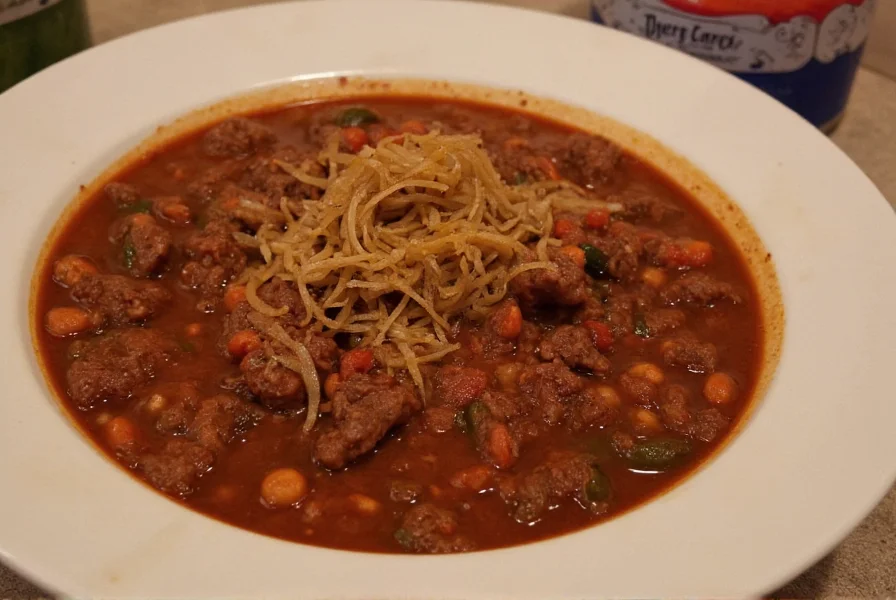
Deer meat chili is a hearty, protein-rich dish made with ground or cubed venison, offering a leaner alternative to traditional beef chili with a distinctive earthy flavor profile that pairs perfectly with robust spices and beans.
The Ultimate Guide to Crafting Exceptional Deer Meat Chili
Creating outstanding deer meat chili requires understanding both the unique qualities of venison and the flavor balancing essential for exceptional chili. Unlike beef, deer meat is significantly leaner with minimal marbling, which means proper fat management and moisture retention are critical for preventing dryness. The natural gamey flavor of venison responds beautifully to bold spices, acidic components, and slow cooking techniques that tenderize the meat while developing complex flavors.Why Deer Meat Makes Superior Chili
Venison's nutritional advantages make it an excellent choice for chili enthusiasts. With approximately 25% less fat and 50% more protein than beef, deer meat chili delivers a nutrient-dense meal that satisfies without excessive saturated fats. The meat's iron-rich composition contributes to chili's characteristic deep red color while providing essential nutrients often lacking in conventional meat dishes. When properly prepared, the subtle earthiness of deer meat creates a sophisticated flavor base that elevates your chili beyond ordinary versions.| Nutritional Comparison (per 4oz serving) | Deer Meat | Beef (80% lean) |
|---|---|---|
| Calories | 134 | 289 |
| Total Fat | 3.4g | 22g |
| Saturated Fat | 1.4g | 8.8g |
| Protein | 26g | 19g |
| Iron | 3.1mg | 2.1mg |
Essential Ingredients for Authentic Deer Meat Chili
The foundation of exceptional deer meat chili starts with proper meat preparation. For optimal texture, use a combination of 80% venison and 20% pork fat or bacon to compensate for deer meat's natural leanness. The spice profile should include:- Ancho and guajillo chilies for deep, complex heat
- Cocoa powder for richness and flavor depth
- Apple cider vinegar to balance gamey notes
- Fresh garlic and onions for aromatic foundation
- Fire-roasted tomatoes for acidity and body
Step-by-Step Cooking Process
Begin by properly handling your deer meat. If using freshly harvested venison, allow it to age refrigerated for 3-5 days to improve tenderness.Scientific Aging Timeline for Venison
University of Minnesota Extension research confirms the biochemical progression during aging:
- Days 1-2: Rigor mortis resolution initiates enzymatic tenderization
- Days 3-5: Peak tenderness and flavor development through controlled protein breakdown
- Day 6+: Spoilage risk increases significantly without professional conditions
Source: University of Minnesota Extension
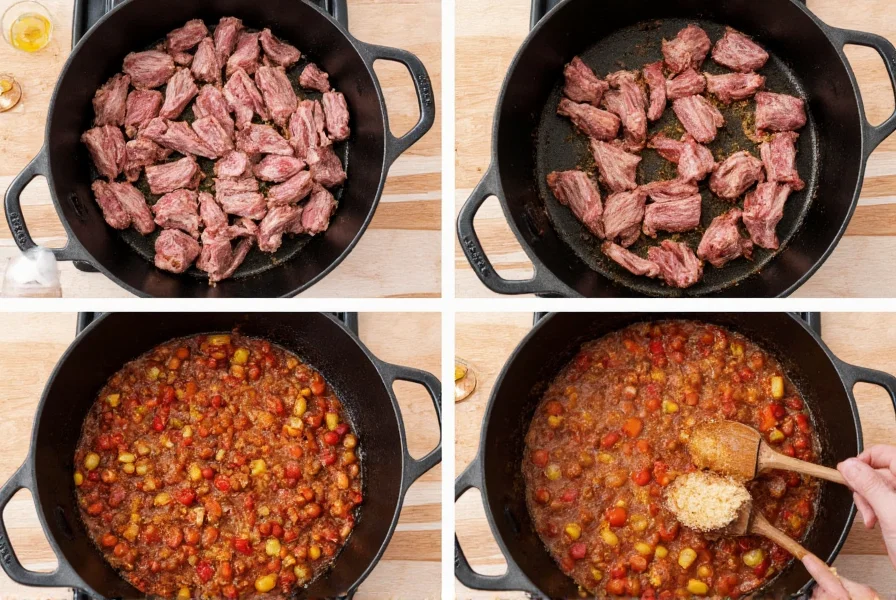
Cut into 1/2-inch cubes or grind coarsely using a 3/8-inch plate. The critical first step is proper browning—work in batches to avoid steaming the meat, which prevents the Maillard reaction essential for flavor development. After browning, deglaze your pot with beef broth or dark beer, scraping up all the flavorful browned bits. Add your spice mixture and toast for 1-2 minutes to awaken the essential oils. Incorporate tomatoes, liquids, and any vegetables, then transfer to a slow cooker or maintain a gentle simmer on the stove for 2-3 hours until the meat becomes fork-tender.Contextual Considerations and Limitations
Deer meat chili requires awareness of critical contextual boundaries for optimal results:
- Wild vs. Farmed Venison: Wild-harvested venison demands aggressive flavor balancing and mandatory aging (3-5 days), while farmed venison has milder flavor and may skip aging. Source
- Fat Content Threshold: Venison's natural 2-3% fat content (vs. 20% in 80% lean beef) requires 20% supplemental fat to prevent dryness during extended cooking—a non-negotiable difference from beef preparation. Source: USDA FoodData Central
- Iron-Sensitive Diets: With 3.1mg iron per serving (17% DV), this dish is unsuitable for individuals with hemochromatosis or iron-restricted diets. Consult healthcare providers for personalized guidance. Source: NIH Iron Guidelines
These evidence-based boundaries ensure successful adaptation of chili techniques to venison's unique properties.
Mastering Flavor Balance in Venison Chili
The distinctive flavor of deer meat requires thoughtful balancing. Counteract potential gaminess with these professional techniques:- Add 1-2 tablespoons of unsweetened cocoa powder to deepen flavors without sweetness
- Incorporate a splash of apple cider vinegar during the last 30 minutes of cooking
- Use smoked paprika rather than regular paprika for additional complexity
- Add a small amount of coffee or espresso to enhance meaty notes
- Finish with fresh lime juice to brighten the final dish
Storage and Reheating Guidelines for Deer Meat Chili
Proper storage ensures your deer meat chili improves with time while maintaining food safety. Cool the chili rapidly by placing the pot in an ice bath before transferring to airtight containers. Refrigerate for up to 4 days or freeze for 3-4 months. When freezing, leave 1-inch headspace for expansion and consider portioning into meal-sized containers. For best results when reheating, gently warm chili on the stove over medium-low heat, adding a small amount of broth or water to restore moisture. Microwave reheating often results in uneven heating and texture degradation. The complex flavors of well-made deer meat chili typically peak on the second or third day after preparation as flavors continue to meld.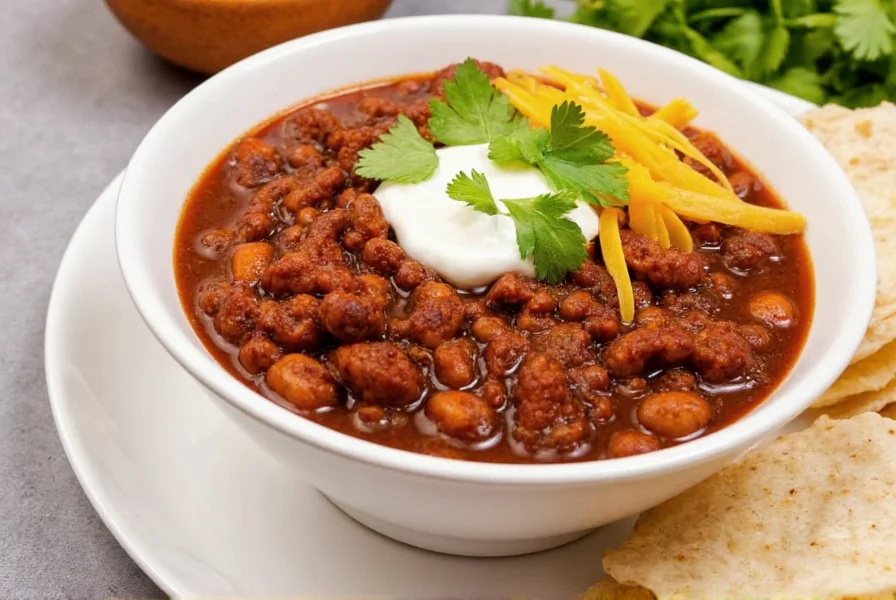




 浙公网安备
33010002000092号
浙公网安备
33010002000092号 浙B2-20120091-4