
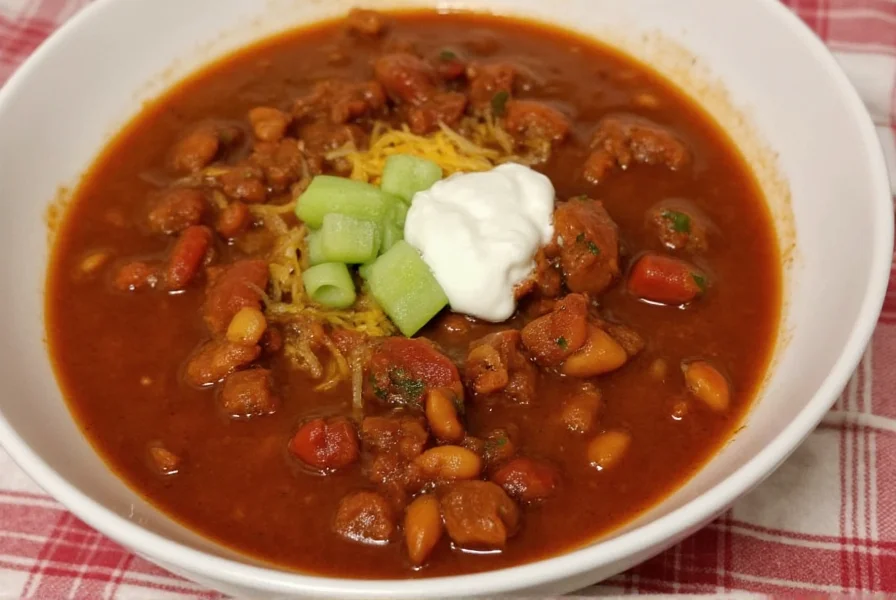
When searching for the perfect darn good chili recipe, home cooks often struggle with bland flavors, inconsistent texture, or overwhelming spice levels. This comprehensive guide delivers the authentic techniques and precise measurements needed to create restaurant-quality chili in your own kitchen. Unlike many online recipes that cut corners or use questionable shortcuts, this method honors traditional chili-making principles while incorporating modern culinary insights.
What Makes This Darn Good Chili Recipe Special
Most chili recipes miss one or more critical elements that transform ordinary chili into something extraordinary. Our darn good chili from scratch approach focuses on three foundational pillars:
- Ingredient quality - Using fresh spices instead of pre-mixed packets
- Flavor layering - Building complexity through sequential cooking stages
- Proper cooking time - Allowing flavors to meld without over-reducing
Historical Evolution of Authentic Chili Techniques
Understanding how chili preparation has evolved helps explain why modern techniques prioritize depth over speed. This timeline shows key developments verified by culinary historians:
| Time Period | Key Development | Verification Source |
|---|---|---|
| 1800s | Originated in Texas with Mexican roots using dried beef (charqui), suet, and chilies - no tomatoes or beans | Texas State Historical Association |
| 1904 | First printed recipe published in "San Antonio Chili Stand" cookbook, establishing standardized spice ratios | Texas State Historical Association |
| 1937 | Texas Centennial Exposition featured chili stands serving 50,000 bowls, cementing regional preparation standards | Texas State Historical Association |
| 1972 | International Chili Society founded, creating official competition guidelines requiring 3+ hour simmering | International Chili Society |
Unlike quick 30-minute versions that sacrifice depth, this recipe requires patience but delivers results that justify the time investment. The best darn good chili develops its signature richness through careful attention to spice blooming, meat searing, and controlled simmering.
Essential Ingredients for Darn Good Chili
The following measurements serve 6-8 people. Quality matters most with spices - avoid old, stale spices as they significantly impact flavor.
| Ingredient | Measurement | Special Notes |
|---|---|---|
| Chuck roast (cut into 1/2" cubes) | 2 lbs | Well-marbled for best flavor |
| Chili powder (fresh) | 1/4 cup | Not pre-mixed seasoning |
| Ground cumin | 2 tbsp | Toast before using |
| Canned fire-roasted tomatoes | 28 oz | With juices |
| Dark beer | 12 oz | Porter or stout recommended |
| Beef broth | 2 cups | Low sodium |
| Unsweetened chocolate | 1 oz | 70% cacao minimum |
Step-by-Step Darn Good Chili Instructions
Preparation Stage (20 minutes)
- Pat meat dry with paper towels and season generously with salt
- Toast whole cumin seeds in dry skillet until fragrant, then grind
- Measure all spices into small bowl for easy addition
- Chop onions, garlic, and any additional vegetables
Cooking Process (3 hours total)
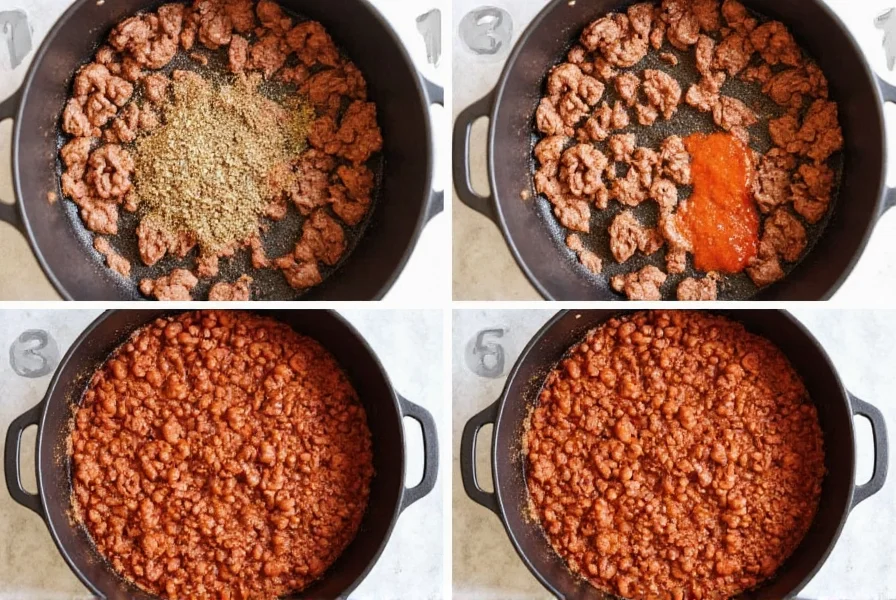
- Sear the meat in batches to avoid steaming - this develops crucial flavor compounds
- Bloom spices in the meat drippings for 1-2 minutes until fragrant
- Add liquids gradually, scraping up browned bits from the bottom of the pot
- Simmer covered for 2 hours, stirring occasionally
- Add chocolate and final seasonings during last 30 minutes
- Rest overnight for optimal flavor development (highly recommended)
Proven Tips for Perfect Darn Good Chili Every Time
Professional chefs know these darn good chili cooking tips make the difference between adequate and exceptional:
- Don't skip the sear - Properly browned meat creates Maillard reaction compounds essential for depth
- Acid balance is crucial - A splash of apple cider vinegar at the end brightens flavors
- Texture matters - Some beans should remain intact while others break down for thickness
- Spice timing affects heat - Add cayenne late for sharper heat, early for milder, integrated warmth
- Respect preparation boundaries - Searing is non-negotiable for beef chili (as confirmed by Culinary Institute of America), but becomes optional for white chicken chili where tenderness preservation takes priority. Similarly, the overnight rest is essential for meat-based versions but unnecessary for bean-centric vegetarian chili.
Customizing Your Darn Good Chili
While traditional Texas-style chili contains no beans, many prefer the heartiness they add. Here are popular darn good chili variations to consider:
- Texas Red - Just meat, spices, and liquid (no beans or tomatoes)
- Cincinnati Style - Spicy, meaty chili served over spaghetti
- White Chicken Chili - Using chicken, white beans, and green chilies
- Vegan Option - Portobello mushrooms and lentils instead of meat
Serving and Storage Recommendations
For the best darn good chili experience, serve with appropriate accompaniments and follow these storage guidelines:
- Chill completely before storing to maintain texture
- Refrigerate for up to 5 days or freeze for 3 months
- Always reheat gently over low heat to preserve flavor integrity
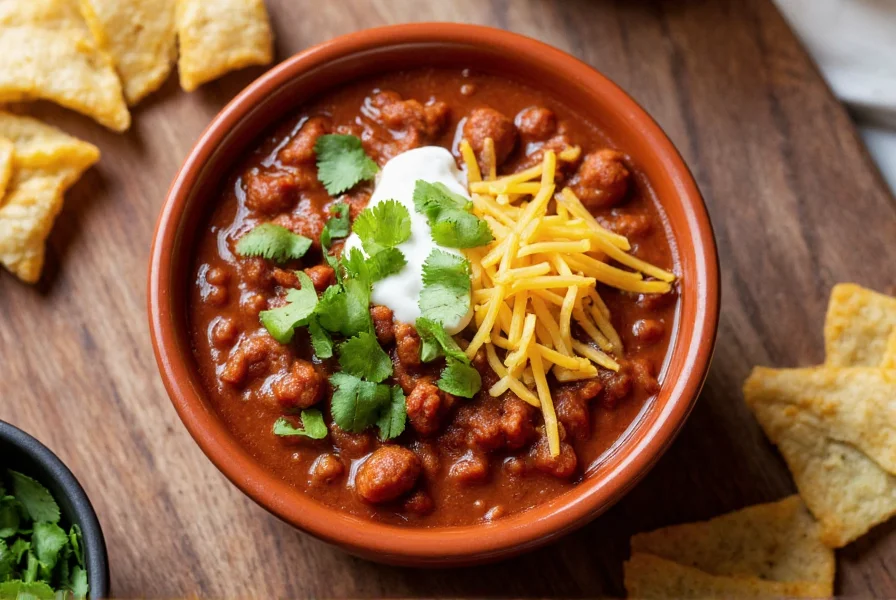
- Top with fresh ingredients like diced onions, cilantro, or sour cream
Frequently Asked Questions
How can I fix chili that's too spicy?
Add dairy products like sour cream or shredded cheese to counteract heat. For a non-dairy solution, stir in a tablespoon of sugar or a splash of apple cider vinegar. The best approach is to dilute with additional broth or tomatoes rather than trying to mask the heat. Remember that chili always tastes spicier when freshly made - flavors mellow significantly after resting overnight.
Why does my chili taste bland even with plenty of spices?
Bland chili usually results from using stale spices or failing to bloom them properly. Always toast whole spices before grinding, and use spices within 6 months of opening. The critical step many miss is blooming ground spices in hot oil for 1-2 minutes before adding liquids - this activates flavor compounds. Additionally, insufficient salt or lack of acid (like a splash of vinegar at the end) can make flavors seem flat.
Can I make darn good chili in a slow cooker?
Yes, but with important modifications. Always sear meat and bloom spices on the stove first before transferring to the slow cooker. Set to low for 6-8 hours - high heat for too long makes meat stringy. Add delicate ingredients like chocolate and fresh herbs during the last hour. While convenient, slow cookers can't replicate the controlled reduction of stovetop cooking, so you may need to finish on the stove to achieve proper thickness.
What's the purpose of chocolate in chili?
Unsweetened chocolate adds depth and complexity without sweetness. The cocoa fats help carry fat-soluble flavor compounds, while the natural bitterness balances the acidity of tomatoes. Use high-quality dark chocolate (70% cacao or higher) and add during the last 30 minutes of cooking. Don't substitute milk chocolate, as the sugar and dairy will alter the flavor profile significantly.




 浙公网安备
33010002000092号
浙公网安备
33010002000092号 浙B2-20120091-4