
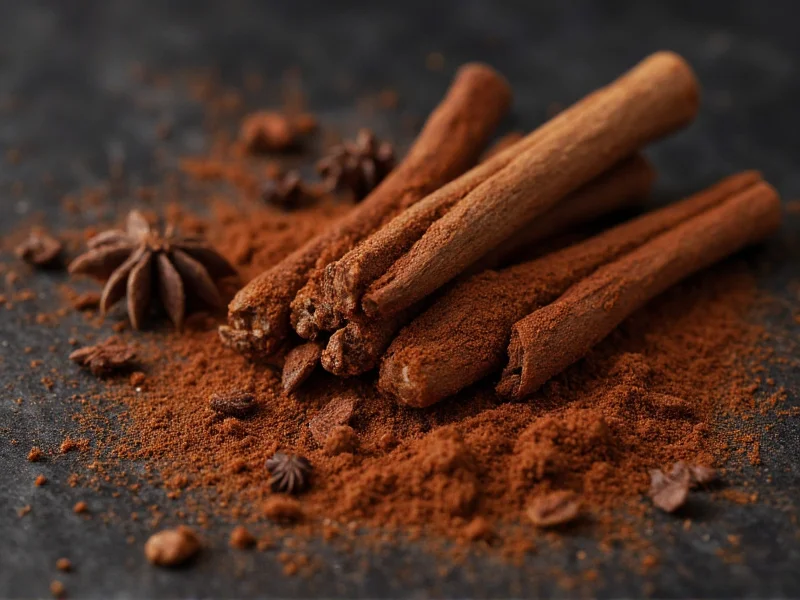
Understanding what "dark spice" actually means requires distinguishing between culinary reality and popular fiction. Many home cooks search for this term expecting a specific spice product, only to encounter references to Dune's fictional melange instead. This comprehensive guide clarifies both contexts to help you find exactly what you need.
Culinary Dark Spices: What Actually Exists
When discussing actual cooking ingredients, "dark spice" typically refers to spices with naturally deep colors or those processed to enhance their darkness. Unlike the fictional spice from Dune, these are real ingredients you can purchase and use in everyday cooking.
Several authentic spices qualify as "dark" due to their coloration:
| Spice | Natural Color | Common Culinary Uses | Flavor Profile |
|---|---|---|---|
| Black Cardamom | Dark brown to black | Indian curries, rice dishes, meat marinades | Smoky, camphorous, earthy |
| Black Pepper (Tellicherry) | Dark green to black when whole | Universal seasoning, sauces, meats | Pungent, woody, complex heat |
| Long Pepper | Dark brown | Historical recipes, specialty dishes | Complex heat with notes of cinnamon and nutmeg |
| Black Mustard Seeds | Dark brown to black | Indian tempering, pickling, spice blends | Stronger, more pungent than yellow mustard seeds |
Black Cardamom: The True Culinary "Dark Spice"
Among actual cooking ingredients, black cardamom (Amomum subulatum) represents the closest match to what people envision as "dark spice." Unlike its more common green counterpart, black cardamom undergoes a smoking process that gives it a distinctive dark color and smoky flavor.
Chefs specializing in Indian and Himalayan cuisine regularly use black cardamom in dishes like:
- Biryani and pulao rice preparations
- Meat curries requiring deep, smoky notes
- Spice blends for tandoori cooking
- Traditional medicinal preparations in Ayurveda
When shopping for authentic black cardamom, look for pods with a dark brown to black coloration and a pronounced smoky aroma. The seeds inside should be black rather than the light green found in regular cardamom. Properly stored black cardamom maintains its distinctive flavor for 1-2 years.
Historical Evolution of Black Cardamom
Black cardamom's journey from traditional remedy to culinary staple follows a distinct historical trajectory documented in agricultural research. Unlike green cardamom which spread through ancient trade routes, black cardamom remained regionally confined due to its specialized processing requirements. Contemporary studies validate its historical applications through phytochemical analysis.
- 1500 BCE - Earliest documented use in Ayurvedic medicine (Charaka Samhita) for respiratory treatments
- 500 BCE - Appears in Buddhist medicinal texts as "krishna ela" for digestive remedies
- 13th Century CE - Integrated into Tibetan medical system (Gyud-shi) for cold-related ailments
- 1590s CE - First botanical description in Mughal-era manuscript Nuskha-e-Shahjahani
- 1835 CE - Scientific classification by William Roxburgh in Flora Indica
- 1970s - Commercial cultivation begins in India's Eastern Himalayas (Sikkim/Darjeeling)
This evolution reflects shifting applications from exclusive medicinal use to mainstream culinary adoption. Modern validation comes from peer-reviewed research like the Journal of Medicinal Plants for Economic Development study confirming traditional anti-inflammatory properties through contemporary laboratory analysis.
The Dune Connection: Fictional "Spice" Misconceptions
The confusion around "dark spice" largely stems from Frank Herbert's Dune series, where "the spice" (melange) is a fictional substance with mind-enhancing properties. While Herbert never specifically called it "dark spice," many adaptations and fan discussions use this term.
Key facts about Dune's spice versus culinary reality:
- The melange in Dune appears as a orange-colored powder, not dark
- Fictional spice extends life and enables space travel; real spices enhance flavor
- No actual spice provides the prescient abilities described in the novels
- "Dark spice" as a specific term doesn't appear in Herbert's original works
Understanding this distinction helps prevent disappointment when searching for a real culinary product that matches fictional descriptions. Many specialty food companies have capitalized on the Dune connection by marketing "dark spice" blends that have no relation to the books' content.
Specialty Spice Blends Marketed as "Dark Spice"
Some artisanal spice companies create proprietary blends labeled as "dark spice," typically featuring:
- Smoked paprika as a base for color and flavor
- Black cardamom and black pepper for depth
- Dark-roasted cumin or coriander
- Small amounts of star anise or clove for complexity
These blends work well for:
- Meat rubs requiring deep coloration
- Dark sauces and gravies
- Specialty rice dishes needing visual contrast
- Creating dramatic presentation in finished dishes
When purchasing such blends, check ingredient lists carefully. Authentic dark spice blends should contain recognizable spices rather than artificial coloring agents. The darkest natural color typically comes from smoked ingredients rather than additives.
When to Use (and Avoid) Dark Spices: Contextual Guidelines
Professional chefs apply dark spices within specific culinary boundaries to maximize effectiveness while avoiding common pitfalls. Research from agricultural extension services demonstrates that improper application frequently leads to flavor imbalance. The University of Georgia Extension's evidence-based guidelines highlight critical usage parameters:
- Color-Sensitive Applications - Avoid in white sauces, light soups, or pale desserts where dark specks compromise visual presentation (per UGA Publication C1018)
- Flavor Dominance Threshold - Exceeding 0.5% concentration in delicate dishes (fish, poultry) overwhelms primary ingredients
- Cultural Authenticity Limits - Inappropriate in Southeast Asian cuisines where green cardamom predominates (e.g., Thai curries)
- Thermal Degradation Point - Smoky compounds in black cardamom break down above 180°C (356°F), requiring early addition in cooking
These context boundaries explain why culinary experts follow the 1:4 rule - one part dark spice to four parts base ingredients - particularly in dishes where flavor balance is critical. Understanding these limitations separates professional application from amateur experimentation.
Practical Cooking Applications for Dark-Colored Spices
Professional chefs utilize dark spices strategically for both flavor and visual impact:
- Temperature control - Add black cardamom early in cooking to distribute smoky notes
- Visual contrast - Use dark spice blends against light-colored foods for dramatic presentation
- Balancing flavors - Counteract the intensity of dark spices with sweet or acidic components
- Storage techniques - Keep dark spices in opaque containers to preserve color and potency
For home cooks experimenting with dark spices, start with small quantities. Their intense flavors can easily overwhelm a dish. Toasting whole dark spices before grinding releases maximum flavor while preserving their distinctive color characteristics.
Finding Authentic Dark Spices
When searching for genuine dark-colored spices rather than fictional references or marketing gimmicks:
- Visit specialty Indian or Middle Eastern markets for authentic black cardamom
- Look for whole spices rather than pre-ground versions
- Check for visible smoke residue on black cardamom pods
- Avoid products making extraordinary claims about effects
- Verify ingredient lists on commercial "dark spice" blends
Reputable spice suppliers provide origin information and harvest dates. The darkest natural spice colors come from traditional processing methods rather than artificial enhancement. Properly processed dark spices should have a complex aroma rather than a burnt or chemical smell.




 浙公网安备
33010002000092号
浙公网安备
33010002000092号 浙B2-20120091-4