
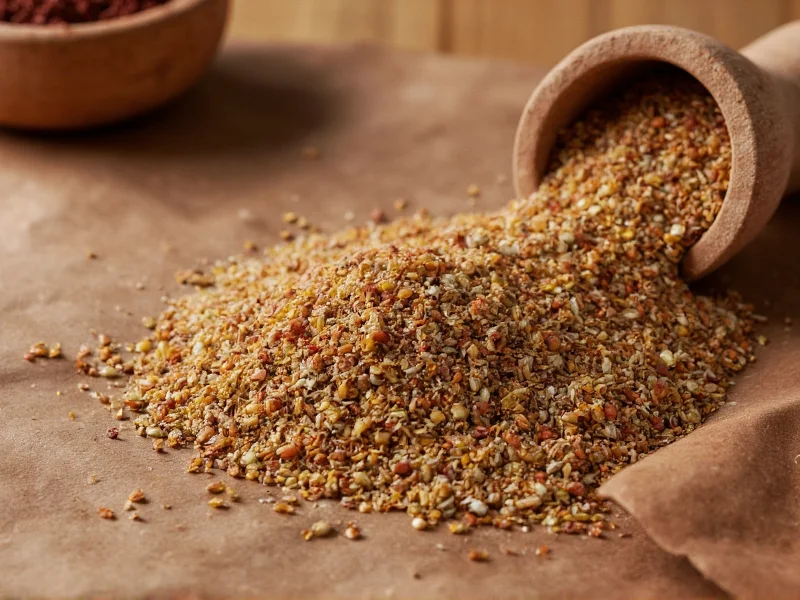
Dano seasoning has become a staple in many Caribbean and Latin American kitchens, prized for its ability to transform ordinary dishes into flavorful culinary experiences. This distinctive yellow seasoning blend offers a balanced combination of herbs and spices that complements rather than dominates the natural flavors of ingredients.
What Exactly Is Dano Seasoning?
Originating in the Caribbean, Dano seasoning represents a carefully curated blend of spices that reflects the region's rich culinary heritage. Unlike many commercial seasoning mixes, Dano maintains a distinctive bright yellow hue primarily from turmeric, which also contributes its earthy, slightly bitter notes to the overall flavor profile.
The standard commercial formulation typically includes:
- Garlic powder (providing savory depth)
- Onion powder (adding sweetness and complexity)
- Dried oregano (contributing herbal notes)
- Black pepper (offering mild heat)
- Turmeric (creating color and earthiness)
- Salt (enhancing overall flavor)
- Monosodium glutamate (MSG) (in many commercial versions, boosting umami)
Understanding what is dano seasoning made of helps home cooks appreciate its unique position among Caribbean seasoning blends. The absence of strong chili components makes it more versatile than some regional alternatives, working well with delicate proteins and vegetables.
Dano Seasoning in Culinary Applications
Chefs and home cooks value Dano seasoning for its remarkable versatility across multiple cooking techniques. When exploring how to use dano seasoning in cooking, consider these proven applications:
For meats: Rub generously on chicken, pork, or beef before grilling or roasting. The seasoning forms a flavorful crust while allowing the natural meat flavors to shine through. Many Caribbean recipes call for marinating proteins in Dano seasoning mixed with citrus juice for several hours.
In rice dishes: Add one teaspoon per cup of uncooked rice for vibrant yellow rice with subtle herbal notes. This technique creates what many call arroz amarillo or yellow rice, a common side dish throughout the Caribbean.
With vegetables: Toss roasted or sautéed vegetables with a light sprinkle of Dano seasoning for enhanced flavor without overwhelming the natural vegetable taste. Root vegetables particularly benefit from this treatment.
| Seasoning | Primary Ingredients | Distinctive Features | Best Used For |
|---|---|---|---|
| Dano Seasoning | Garlic, onion, oregano, turmeric, pepper | Bright yellow color, balanced flavor | General seasoning, rice dishes, mild meats |
| Adobo | Garlic, oregano, black pepper, cumin | Brownish color, stronger garlic presence | Robust meat dishes, Puerto Rican cuisine |
| Sazón | Achiote, garlic, cumin, coriote | Deep orange color, earthy flavor | Coloring rice, Dominican dishes |
| Recado Rojo | Achiote, oregano, cloves, cinnamon | Red paste, complex spice profile | Yucatecan cuisine, cochinita pibil |
| Regional Variations | Trinidad: Often includes culantro Dominican Republic: May add cilantro |
Reflects local herb availability | Authentic island-specific dishes |
Dano Seasoning vs. Similar Products
Many home cooks wonder about the dano seasoning vs adobo comparison. While both are popular in Latin American cooking, they serve different purposes. Adobo typically contains more garlic and sometimes cumin, creating a stronger, more pungent flavor profile ideal for robust meat dishes. Dano's inclusion of turmeric gives it a distinctive yellow color and slightly earthier taste that works well in lighter applications.
The confusion between these seasonings often leads to substitution questions. When seeking a dano seasoning substitute, consider creating a custom blend with equal parts garlic powder, onion powder, dried oregano, and a pinch of turmeric. For closer approximation, add a small amount of MSG or mushroom powder for that characteristic umami boost.
Historical Development of Dano Seasoning
Dano seasoning's commercial journey reflects Caribbean industrial evolution. Founded in 1924 as Angostura Limited in Trinidad and Tobago, the company initially focused on bitters before expanding into food products in the mid-20th century (view historical timeline). This strategic diversification introduced Dano seasoning to household kitchens, preserving traditional flavor profiles while adapting to modern production standards. The brand's growth parallels the broader commercialization of Caribbean culinary heritage across diaspora communities.
Creating Your Own Dano Seasoning Blend
For those interested in homemade dano seasoning blend preparation, this simple recipe yields excellent results:
Basic Dano Seasoning Recipe:
- ¼ cup garlic powder
- ¼ cup onion powder
- 2 tablespoons dried oregano
- 1½ tablespoons black pepper
- 1½ tablespoons turmeric
- 2 tablespoons salt
- 1 tablespoon MSG (optional but recommended for authentic flavor)
Mix all ingredients thoroughly in a bowl, then store in an airtight container away from light and moisture. Properly stored, this homemade dano seasoning blend maintains freshness for up to six months. The absence of anti-caking agents means you may need to break up minor clumps before use.
Practical Cooking Recommendations
When incorporating Dano seasoning into your cooking routine, follow these professional tips for best results:
- Start with less than you think you need—¼ teaspoon per serving is typically sufficient
- Add during the cooking process rather than at the end for better flavor integration
- Combine with citrus elements like lime or sour orange for authentic Caribbean flavor profiles
- Use in conjunction with annatto oil for dishes requiring both yellow and red coloring
- Remember that commercial versions contain salt, so adjust additional salt accordingly
For those exploring caribbean dano seasoning recipes, traditional applications include seasoning whole roasted chickens, flavoring bean stews, and creating the base for sofrito in many island cuisines. The seasoning works particularly well with coconut milk-based dishes, where its herbal notes complement the richness of the coconut.
Important Contextual Considerations
While versatile, Dano seasoning has specific limitations requiring awareness. The U.S. Food and Drug Administration confirms that while MSG is generally recognized as safe, some individuals experience transient symptoms like headaches when consuming 3+ grams without food (FDA guidance). Those with sensitivity should verify commercial blends. Additionally, the American Heart Association emphasizes strict sodium limits of 1,500-2,300 mg daily for most adults (AHA guidelines), necessitating careful measurement when using salt-containing versions. Turmeric's potent staining properties also make it unsuitable for pale sauces or delicate fish where color integrity is essential.
Finding Dano Seasoning
While originally a Caribbean product, Dano seasoning has gained wider distribution. You'll typically find it in:
- Caribbean and Latin American grocery stores (most reliable source)
- International sections of major supermarkets
- Online retailers specializing in ethnic foods
- Some mainstream grocery chains in areas with significant Caribbean populations
When shopping for authentic Dano seasoning, look for the distinctive yellow packaging with the Dano brand name. Be aware that regional variations exist, with some versions containing additional ingredients like cilantro or culantro depending on the specific Caribbean island origin.




 浙公网安备
33010002000092号
浙公网安备
33010002000092号 浙B2-20120091-4