
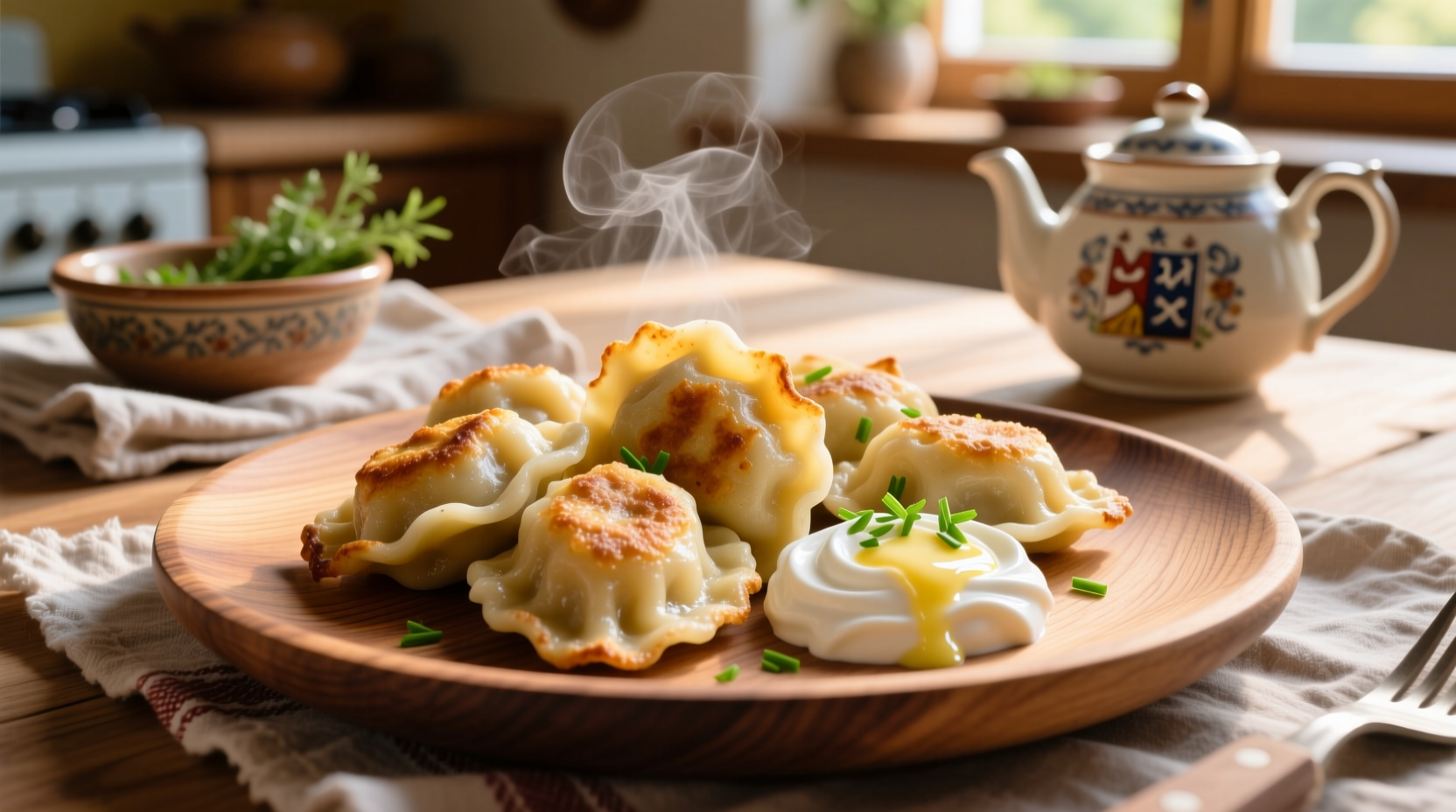
The Heart of Czech Comfort Food
For generations, Czech potato dumplings have anchored family meals across Central Europe. Unlike their bread-based counterparts, these delicate dumplings showcase potatoes as the star ingredient, creating a uniquely tender texture that absorbs savory sauces while maintaining structural integrity. When prepared correctly, they offer a subtle earthy flavor that complements rich meat dishes without overpowering them.
Why Authentic Preparation Matters
Many home cooks struggle with dense or disintegrating dumplings because they miss crucial preparation details. The secret lies in using the right potato varieties and managing moisture content. Traditional Czech cooks use starchy potatoes like Bintje or Agria, which provide the perfect balance of moisture and starch. Freshly grated potatoes oxidize quickly, so immediate preparation after grating prevents discoloration and texture issues.
| Dumpling Type | Primary Ingredients | Texture Profile | Traditional Pairings |
|---|---|---|---|
| Bramborové knedlíky | Potatoes, flour, egg | Light yet substantial | Goulash, roasted pork |
| Houskové knedlíky | Bread, milk, egg | Denser, more absorbent | Christmas carp, fruit sauces |
| Kulajda | Potato, mushroom, cream | Soft, soup-based | As standalone soup course |
Traditional Evolution Timeline
Potato dumplings entered Czech cuisine after potatoes were introduced from South America in the 18th century. Initially considered food for peasants, they gained popularity when Empress Maria Theresa encouraged potato cultivation during food shortages. By the 19th century, they had become a national staple as potato farming spread across Bohemia and Moravia. The modern preparation method stabilized in the early 20th century when electric graters made the labor-intensive process more accessible to home cooks.
Essential Ingredients Checklist
Authentic Czech potato dumplings require precise ingredients measured by weight for consistent results:
- 500g starchy potatoes (Bintje or Agria varieties)
- 100g potato starch (not cornstarch)
- 1 large egg
- 1 tsp salt
- 1 tbsp butter (for serving)
Step-by-Step Preparation Guide
Moisture Management Is Key
Begin by grating potatoes using the fine side of a box grater. Immediately squeeze out excess liquid using a clean kitchen towel – this critical step prevents soggy dumplings. You should extract approximately 100ml of liquid, which will settle to reveal potato starch at the bottom. Discard the water but reserve the settled starch.
Dough Formation Technique
Mix the grated potatoes with reserved starch, egg, and salt. Add just enough additional potato starch (1-2 tablespoons) to create a cohesive dough that holds together when pressed. The mixture should feel slightly damp but not wet. Over-starching creates tough dumplings, while insufficient starch causes disintegration during boiling.
Shaping and Cooking Process
Form the dough into 8cm cylinders, then cut into 5cm segments. Gently lower them into simmering (not boiling) salted water. Cook for 8-10 minutes until they float to the surface and feel firm but springy when pressed. Remove with a slotted spoon and let drain briefly before serving.
Avoiding Common Preparation Mistakes
Even experienced cooks encounter issues with potato dumplings. The most frequent problems include:
- Dense texture: Caused by insufficient moisture removal or overmixing
- Disintegration: Results from inadequate starch content or water that's too vigorously boiling
- Sour flavor: Occurs when potatoes oxidize before cooking – always work quickly after grating
Serving Traditions and Pairings
In Czech households, potato dumplings traditionally accompany Sunday roasts and holiday meals. They pair exceptionally well with:
- Roasted pork with creamy cabbage (Vepřoá zelo)
- Beef goulash with caraway seeds
- Fried carp with potato salad (Christmas tradition)
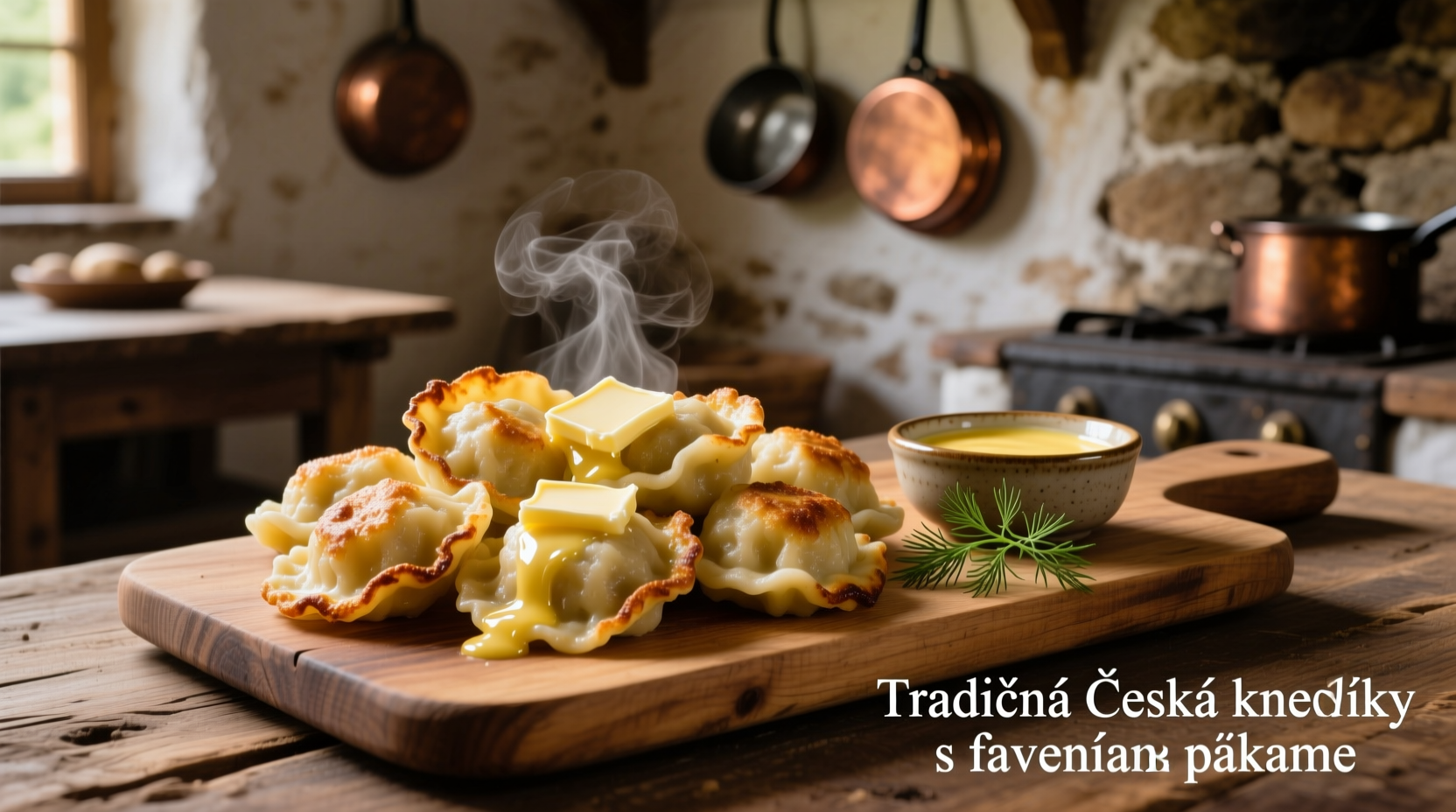
Serve dumplings warm with a dollop of melted butter and fresh parsley. Never serve them cold – their texture deteriorates significantly when chilled.
Storage and Reheating Guidelines
While best enjoyed fresh, properly stored dumplings maintain quality for limited periods:
- Refrigeration: Store in airtight container for up to 24 hours
- Reheating: Steam gently for 5-7 minutes – never microwave
- Freezing: Not recommended due to texture degradation
For optimal results, prepare dumplings the same day you plan to serve them. The delicate texture doesn't withstand storage well compared to bread dumplings.
Frequently Asked Questions
Can I make Czech potato dumplings without a potato ricer?
Yes, a box grater works perfectly for authentic texture. The fine side creates the necessary moisture release. Avoid food processors as they make the potatoes too wet and heat the starch.
Why do my dumplings keep falling apart during cooking?
This typically happens when insufficient potato starch is used or when the water is boiling too vigorously. Ensure you've extracted enough liquid and added the reserved starch. Simmer rather than boil the water for cooking.
What's the difference between Czech and German potato dumplings?
Czech versions use only potatoes and minimal starch for a lighter texture, while German Kartoffelklöß typically includes egg yolks and breadcrumbs, creating a denser dumpling better suited for pan-frying.
Can I substitute cornstarch for potato starch?
No, cornstarch creates a different texture and flavor profile. Authentic Czech potato dumplings require potato starch, which has unique binding properties that maintain the delicate structure during cooking.




 浙公网安备
33010002000092号
浙公网安备
33010002000092号 浙B2-20120091-4